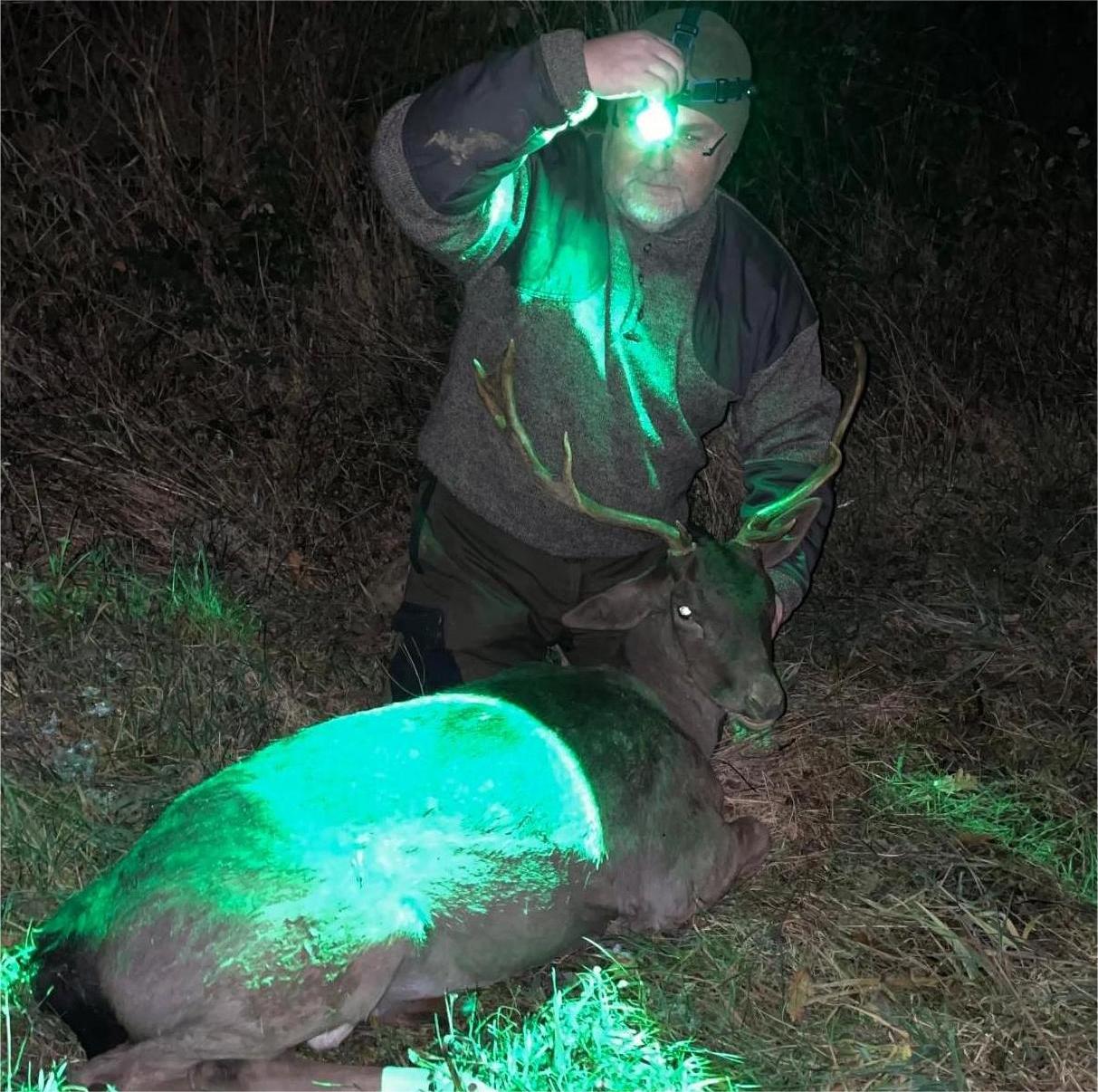


To attract hogs at night, focus on their three primal needs: water, wallowing mud, and highly aromatic food. The single most effective tactic is deploying fermented sour corn (corn soaked in water, beer, and yeast for 3–5 days) placed downwind of your hunting position. Supplement with diesel-soaked rubbing posts to draw boars from great distances, and always approach with red or green stealth lighting to preserve the sounder's comfort. Below, we break down every proven method.

✔ Landowners dealing with feral hog damage who want to maximize removal efficiency
✔ Hunters looking for bait recipes, scent control, and lighting tactics in one place
1. The Midnight Routine: Understanding Feral Hog Behavior at Night
Wild hogs are creatures of habit, especially after dark. During the day, they bed down in thick swamps, creek bottoms, or heavy brush to escape heat and hunting pressure. As dusk settles, their movement is dictated by three things: water sources, mud wallows, and food availability. Mature boars often travel alone or in small bachelor groups, while sows and piglets move in sounders of up to 30 animals.
Temperature shifts significantly influence feral hog behavior at night. On hot, dry nights, hogs visit water and wallows early and often. On cool nights, they may delay movement until well after midnight. The best hunting strategy is to position yourself between their daytime bedding sanctuary and a known food source or water hole. Look for fresh rooting, tracks, and mud rubs on trees — these signs indicate a high-traffic area and the best time to hunt hogs at night is between 10 PM and 3 AM.
Feral hogs follow predictable nightly patterns driven by water, wallows, and food. Understanding their movement corridors — the trails between bedding thickets and feeding zones — is more effective than random bait placement. Hot nights push hogs to water early; cool nights delay movement. Position yourself on the corridor, not on the bait.
2. Top Night Baiting Strategies: How to Bait Hogs at Night
Hogs are opportunistic omnivores with a sense of smell approximately seven times more powerful than a bloodhound. The most successful night hog hunting tactics use extremely pungent, long-lasting bait that travels on the wind and draws hogs from hundreds of yards away. Two methods stand above all others.
🥣 The Sour Corn Method (Irresistible & Cheap)
Sour corn is the single most lethal attractant in a hog hunter's arsenal. The fermentation process creates a pungent, acidic aroma that hogs can detect from over a mile away, while deer and other non-target species largely ignore it. This is the foundation of any serious wild hog bait recipe.
Step-by-step recipe:
- Fill a 5-gallon bucket ¾ full with whole kernel corn.
- Add 2-3 cans of cheap beer (or a packet of active dry yeast) to kickstart fermentation.
- Pour in enough water to cover the corn by 2 inches.
- Seal the bucket loosely (gas buildup) and let it sit in the sun for 3–5 days. Stir daily.
- Once it smells intensely sour and rancid, it's ready. Scatter it in a concentrated pile near your hunting blind or stand.
🛢️ The Diesel Trick: Create a Boar Magnet
This old-school tactic exploits a hog's instinct to rub against objects to remove parasites. Soak a burlap sack or a sturdy wooden post in diesel fuel and secure it near your bait site. Diesel hog attractant works on a simple principle: the strong petroleum smell attracts boars from great distances, and they will spend time rubbing against it, giving you a perfect shot opportunity. Deer and turkeys detest the smell of diesel, so this trick effectively filters out non-target game. Use sparingly and in compliance with local environmental regulations.
Fermented sour corn and diesel-soaked rubbing posts are the two highest-efficiency hog attractants available to night hunters. Sour corn's mile-plus scent range draws sounders from deep cover; diesel posts selectively attract boars while repelling deer. Deploy both at the same bait site for maximum coverage across all hog demographics.
3. The Scent Factor: Playing the Wind for Night Hog Hunting
A feral hog's vision is notoriously poor — they rely almost entirely on their extraordinary sense of smell and acute hearing. If a mature sow catches your scent, the entire sounder will vanish silently into the brush. To consistently find hogs at night, you must master hog scent control.
Always set up with the prevailing wind blowing from the bait site toward you — never the other way around. Use a wind checker powder (or even a simple squeeze bottle of unscented baby powder) to monitor subtle shifts in air currents. In hilly terrain, cold air sinks into valleys after sunset, carrying your scent downhill. Position yourself above the bait site on a ridge or elevated ground to keep your odor stream above the hogs' noses. If the wind is inconsistent, do not hunt that stand — wait for a steady breeze. The best wind direction for hog hunting is a steady, predictable flow from bait to hunter.
Wind direction is the single most critical variable in night hog hunting. A mature sow's nose is the sounder's early warning system — one whiff of human scent and the entire group is gone. Always hunt with the wind in your face, and use elevation to keep descending cold air from carrying your scent into low-lying feeding areas.
4. The Stealth Approach: How to Find Hogs at Night Without Spooking Them
Once your bait is set and the wind is in your favor, the final piece of the puzzle is the approach. Hogs are most active between 10 PM and 3 AM, but they can appear at any time after dark. Your ability to move silently and use the correct lighting determines whether you'll get a shot or watch them scatter.
Ordinary white flashlights are a guaranteed way to ruin a night hunt. Wild boars perceive bright white light as a threat, and it destroys your own night vision. Instead, experienced hunters rely on red or green LED flashlights specifically designed for night hunting. Red light (around 630nm) is nearly invisible to hogs and preserves your dark adaptation. Green light (around 520nm) provides superior contrast for human eyes, making it ideal for scanning wide fields while still being far less alarming than white light.
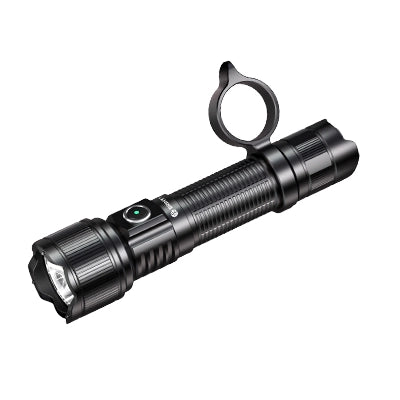
🔦 Brinyte T28 Artemis — Stealth Approach Light
The T28's patented internal rotary selector lets you silently switch between white, red, and green LEDs without fumbling with external filters. Use red to navigate to your stand, then transition to green for scanning the bait site. With 525-meter beam throw and stepless dimming, you control exactly how much light reaches the sounder.
Shop T28 Artemis →🔦 Brinyte ZT40 Green — Long-Range Scanning Light
The ZT40 Green's zoomable 6°–70° beam lets you flood a wide area to spot movement, then twist into a tight spotlight to identify individual targets. At 1,650 lumens and 490 meters of throw, it's a pure green-light powerhouse purpose-built for long-range hog detection.
Shop ZT40 Green →🔦 Brinyte T5X SPECTRA — Blood Tracking Recovery Light
After the shot, the T5X's dedicated blood-tracking strobe mode makes hemoglobin fluoresce against dark leaves and dirt. The 120° ultra-wide flood beam covers maximum search area, ensuring no wounded hog is lost in the brush — an ethical imperative for responsible tracking wounded hogs at night.
Shop T5X SPECTRA →Red light for approach, green light for scanning, white light only for final target confirmation. This structured light discipline preserves both your night vision and the sounder's comfort — allowing you to close distance, identify targets, and take ethical shots without triggering flight. The T28 Artemis + ZT40 Green + T5X SPECTRA form a complete lighting ecosystem for every phase of a night hog hunt.
5. A Complete Night Hog Hunt Scenario
Here's a field-proven execution plan pulling together bait, wind, and lighting tactics into one cohesive night hog hunting tactics sequence:
- 4:00 PM (Day Before): Deploy sour corn at the edge of a known hog trail near a creek. Soak a burlap sack in diesel and tie it to a tree 20 yards from the bait.
- 9:30 PM (Hunt Night): Approach from the downwind side. Use the Brinyte T28 on red light, dimmed to 5%, to navigate without alerting any hogs already on the bait.
- 10:00 PM: Settle into your stand or blind. Switch to the ZT40 Green in wide flood mode and begin slow, sweeping scans of the bait site and surrounding brush every 15 minutes.
- 11:30 PM: Spot a sounder of 12 hogs moving in from the south. Keep the ZT40 beam on them, then use the T28's stepless dimmer to confirm the largest sow with a brief white spotlight for ethical shot placement.
- Post-Shot: Use the T5X blood-tracking strobe to follow the blood trail through thick undergrowth, recovering the hog within 80 yards.
📥 Free Download: Night Hog Hunting Quick Reference (PDF)
One-page printable field card: bait recipes, wind checklist, lighting sequence, and tracking procedure. Keep it in your hunting pack.
Ready to Execute Your Night Hog Hunting Tactics?
Equip yourself with purpose-built Brinyte stealth lighting — engineered for the three-phase hunt: approach, scan, and recover.
Shop Hunting Lights →About Brinyte
Founded in 2009 — 50+ patents, ISO9001 certified. Brinyte builds hunting lights for the professionals who stalk feral hogs, the landowners reclaiming their property, and every hunter who's ever been left in the dark when it mattered most. All products tested to ANSI/NEMA FL1 standards. This guide was written by founder Xuping Feng and reviewed by a licensed hog removal specialist.
"Engineered for the mission — proven in the field."
Founded 2009 · 50+ Patents · ISO9001
❓ Frequently Asked Questions — Night Hog Hunting
What time are hogs most active at night?
Feral hogs are most active between 10 PM and 3 AM, though this varies with temperature and moon phase. On hot nights, they may visit water sources earlier; during a full moon, they may feed all night. The best time to hunt hogs at night is when temperatures are moderate and wind is steady.
How far can hogs smell sour corn?
Under ideal wind conditions, feral hogs can detect the strong fermented scent of sour corn from over a mile away. This extreme olfactory range is why fermented corn is the single most effective wild hog bait recipe for drawing sounders out of dense cover.
Does diesel really attract wild boars?
Yes. Hogs are drawn to the strong scent of diesel fuel and will vigorously rub against soaked posts to remove external parasites. This diesel hog attractant tactic also deters deer, making it a targeted wild boar-specific baiting method. Always verify local environmental regulations before deploying diesel on your hunting land.
What is the best light color for hog hunting at night?
Red light (630nm) is the least likely to spook hogs and preserves your night vision — ideal for approaching your stand. Green light (520nm) provides better contrast for human eyes and is excellent for scanning fields and identifying targets at medium range. The optimal green light vs red light for hog hunting strategy is: red for approach, green for scanning, white only for final target confirmation.
How do you track a hog at night after the shot?
Use a dedicated blood-tracking flashlight with a strobe mode and wide flood beam, like the Brinyte T5X SPECTRA. The 10Hz strobe makes hemoglobin fluoresce against dark leaves and dirt, while the 120° ultra-wide flood illuminates maximum search area. This is the most reliable method for tracking wounded hogs at night through thick undergrowth.
Can I use a feeder light to attract hogs at night?
Yes. A motion-activated or constant-on green feeder light placed near your bait site helps hogs locate food more quickly and feel secure while feeding. Green light is far less alarming to hogs than white light, and a consistent light source can condition sounders to feed confidently at your bait location.