

Candela vs Lumens for Hunting Flashlights: Which Matters More? (2026 Guide)
Think of a garden hose: Lumens is the water flowing out, Candela is how far it shoots when you squeeze the nozzle.
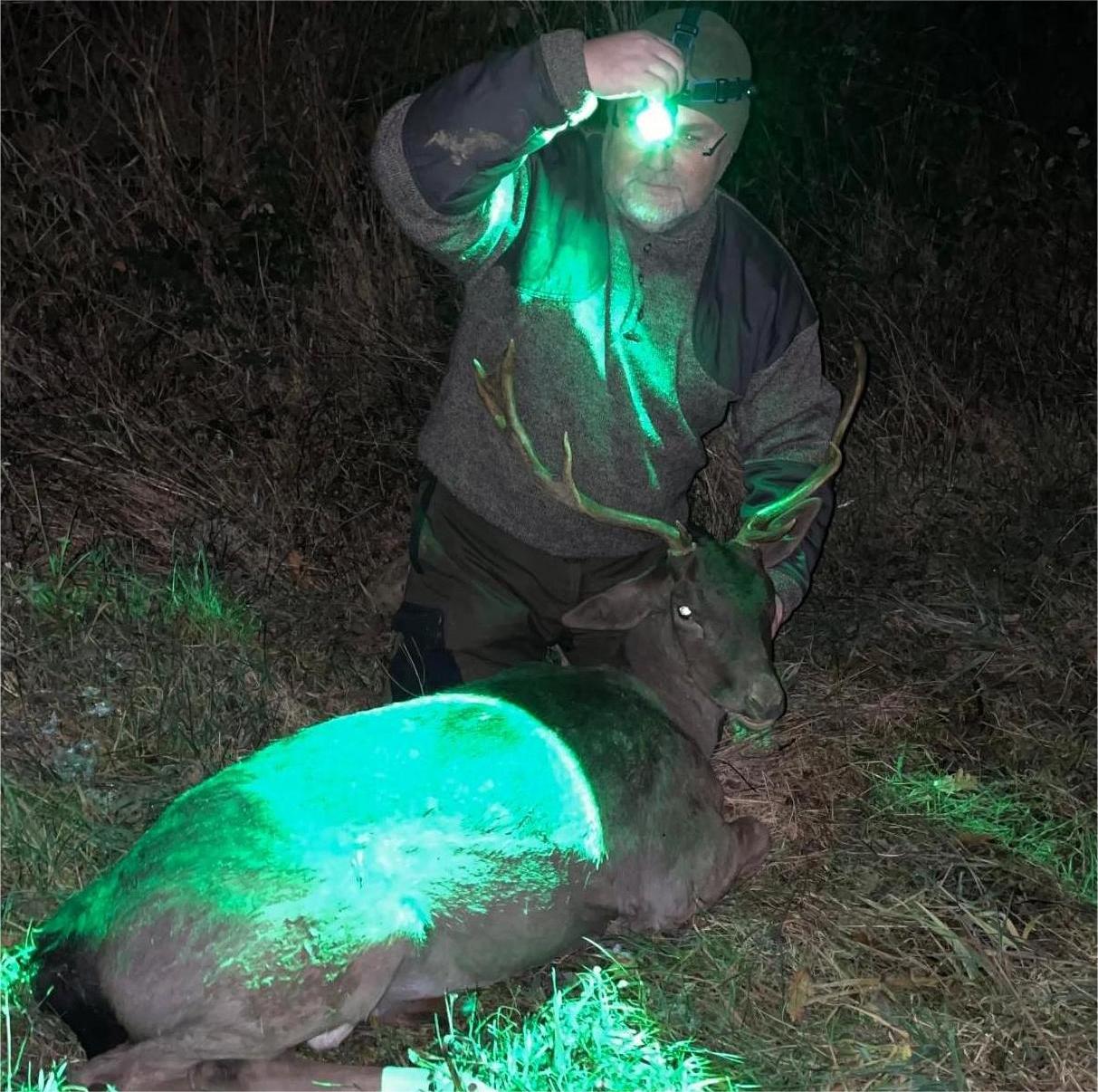
For hunting: If you scan open fields, prioritize high Candela (400m+ throw). If you track blood in thick woods, prioritize high Lumens with a flood beam. Use a zoomable light like the Brinyte ZT40 to get both.
✔ Anyone asking “candela vs lumens flashlight” after a failed night hunt
✔ Shooters who want to reach out and see clearly—without spooking game


You bought a “super bright” 2000-lumen flashlight. On the spec sheet, it looked perfect. But at the edge of the field, you can’t make out the hog’s shape—just a glare of light bouncing off the brush. Your buddy’s light has only 650 lumens, yet somehow he sees clearer, farther. What’s going on?
The answer is candela. This guide will settle the candela vs lumens flashlight debate once and for all—explaining exactly what each term means, how they work together, and most importantly, which spec you should trust in the field.
💡 Candela vs Lumens: The Full Breakdown
What Are Lumens?
Lumens (lm) measure total light output—how much visible light a flashlight produces in all directions combined. Think of lumens as the raw “volume” of light. A 3000-lumen light floods a room; a 100-lumen light is barely a candle.
For hunters, typical needs: 300–600 lumens for close tracking, 800–1500 lumens for general scanning, and 2000+ lumens for extreme distance or emergency signaling.
What Is Candela?
Candela (cd) measures beam intensity in a single direction—how focused and far the light throws. High candela creates a tight, long-distance beam; low candela means the light is spread out and drops off quickly.
According to the ANSI/PLATO FL1 standard, candela is the key metric for determining a flashlight’s effective range. A light with 50,000 cd can reach ~450 meters; one with 100,000 cd pushes beyond 600 meters. This is why candela vs lumens flashlight discussions always end with: candela determines distance, lumens determine overall brightness.
🚿 The Garden Hose Analogy (Used by Industry Experts)
Imagine a garden hose. Lumens is the total amount of water flowing out of the hose. Candela is what happens when you put your thumb over the opening—the water shoots much farther, but the overall flow hasn’t changed. This simple analogy, used across the lighting industry, explains why a 650-lumen flashlight with high candela can easily out-range a 2000-lumen flood light.
🔬 Real-World Example: Why 650 Lumens Can Outshine 1000 Lumens
Let’s put numbers on it. Flashlight A: 1000 lumens, 1200 cd → soft, wide beam that barely reaches 70 meters effectively. Flashlight B: 650 lumens, 71,000 cd → a tight spear of light clearly illuminating targets at 500+ meters. Both produce light, but candela is the reason B dominates in the field. This extreme example mimics real hunter reports and shows why you must check candela before buying any candela vs lumens flashlight for long-range work.
“Lumens tell you how much light a flashlight emits overall; candela tells you how intensely that light is focused in a particular direction. For hunters evaluating distance performance, candela is the more important metric.” — adapted from ANSI FL1 and major manufacturers’ educational guides.
📏 When Candela Dominates for Hunting
- Open fields, prairies, big clear-cuts — you need to spot eyeshine or a body at 300+ yards. High candela (50,000 cd or more) is non-negotiable.
- Scanning treelines from a stand — a tight, long-range beam picks out detail without lighting up the whole forest and alerting game.
- Tactical / predator control — identifying a coyote versus a dog at 200 meters requires razor-sharp throw.
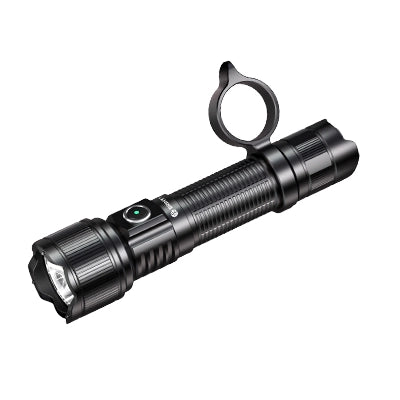
Brinyte examples: PT16A (52,500 cd, 458m), T40 (60,000 cd, 490m). These are purpose-built for candela vs lumens flashlight scenarios where distance is everything.
💡 When High Lumens (and Flood) Are Better
- Blood tracking — you need a wide, even beam to see contrast on leaves and soil. The SPECTRA T5X’s 120° flood with dedicated blood-tracking strobe excels here.
- Dense woods / thick cover — a floody beam illuminates more of your immediate surroundings, helping you navigate and spot movement close by without tunnel vision.
- Camp chores / field dressing — soft, high-lumen flood reduces eye strain.
In these cases, moderate candela and generous lumens are your friends.
🔦 Beam Types: Spot vs Flood vs Zoom (Tied to Candela)
- Spotlight (Thrower): High candela, tight beam, long range. Use for open country.
- Floodlight: Low candela, wide beam, short range. Use for tracking or close navigation.
- Zoomable: Adjusts between spot and flood. Brinyte ZT40 (6°–70° zoom) and T28 Artemis let you switch on the fly—a perfect marriage of candela vs lumens flashlight versatility.
🎯 Quick Scenario Picks (Candela vs Lumens at a Glance)
| Hunt Style | Spec Priority | Recommended Brinyte |
|---|---|---|
| Open field / long range | High candela (50k+ cd) | PT16A, T40 |
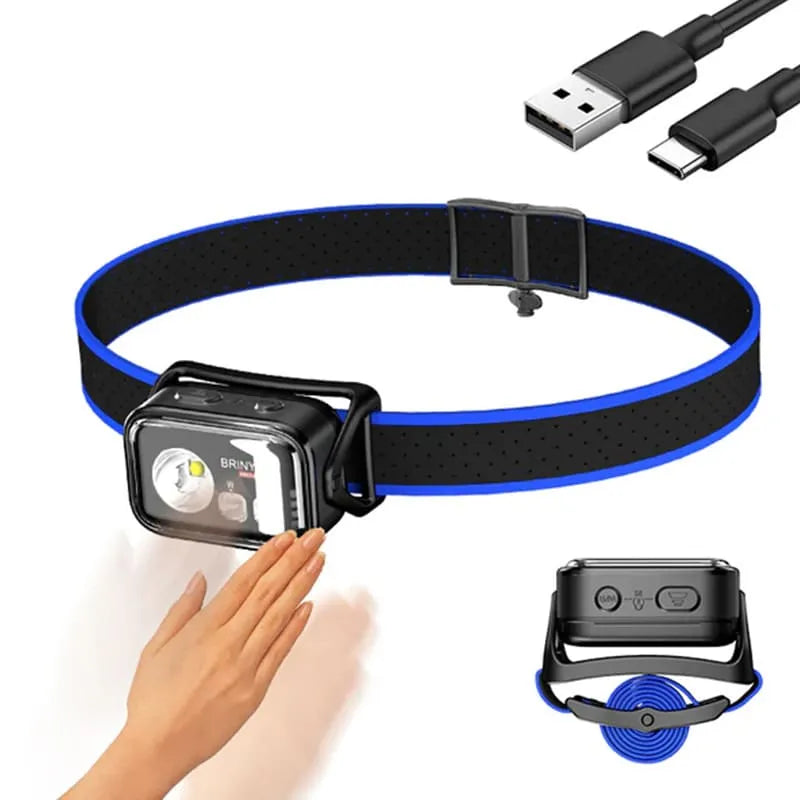
| Dense woods / stalking | Floody beam, red light | T28 Artemis, HL28 headlamp |
| Blood tracking | High-contrast flood, strobe | SPECTRA T5X |
| All-terrain / versatile | Zoomable, USB-C, IPX8 | ZT40 |
🔦 Brinyte Lights — Designed Around Candela AND Lumens
| Model | Lumens | Candela | Beam Type | Key Feature | Shop |
|---|---|---|---|---|---|
| PT16A | 3000 | 52,500 cd | Spot | IP68, 300h Low | Shop → |
| T40 | 1650 | 60,000 cd | Spot | IPX8, USB-C | Shop → |
| T28 Artemis | 1000 | ~19,000 cd | Zoom | Tri-color, silent dimmer | Shop → |
| ZT40 | 1650 | 60,000 cd | Zoom (6°–70°) | IPX8, hidden USB-C | Shop → |
| SPECTRA T5X | 1000 | Flood (120°) | Flood | Blood tracking strobe | Shop → |
Stop Guessing — Pick the Right Light
Now that you understand candela vs lumens, put it into practice. Explore Brinyte’s hunting lineup, engineered by hunters for hunters.
Shop Hunting Lights →❓ Frequently Asked Questions
What’s the main difference between lumens and candela in a flashlight?
Lumens measure total light output (brightness), candela measures beam intensity (throw distance). For hunters, candela determines how far you can see, while lumens tell you how much area is lit up close. Think of it as volume vs. focus.
For night hunting, should I prioritize high lumens or high candela?
If you hunt open terrain and need to spot game at 200+ yards, prioritize high candela (50,000 cd and above). If you hunt thick woods or track blood, a high-lumen flood light with moderate candela is more useful. A zoomable light like the Brinyte ZT40 gives you both.
Can a flashlight with lower lumens but higher candela be better for hunting?
Absolutely. Many hunters report that a 650-lumen light with 70,000+ candela reaches much farther and reveals target detail better than a 1000-lumen flood light with low candela. Always check candela when distance matters.
What is a real-life example of the garden hose analogy for candela vs lumens?
Lumens = water flowing out the hose. Candela = how far it squirts when you press your thumb over the opening to create a focused stream. The total amount of water (lumens) hasn’t changed, but the pressure (candela) makes it travel farther.
About Brinyte
Since 2009, Brinyte has specialized in professional hunting and tactical lighting. Our products are developed with input from experienced hunters, backed by 50+ patents and ISO9001 certification. Every guide, including this candela vs lumens explanation, reflects field‑proven knowledge, not just specs.
"Engineered for the mission — proven in the field."
Founded 2009 · 50+ Patents · ISO9001