

How to See Clearly When Conditions Work Against You
Introduction: Why Weather Changes Everything at Night
Most hunters focus on lumens and beam distance, but weather is often the deciding factor in real-world visibility.
Rain scatters light.
Fog reflects it back.
Snow turns high-output beams into blinding glare.
Choosing the wrong hunting light for adverse weather doesn’t just reduce visibility—it destroys contrast, depth perception, and animal identification.
This guide explains how rain, fog, and snow affect light behavior, and how to select the right hunting flashlight or headlamp for each condition—based on field-tested experience, not spec sheets.

Rain: Beating Reflection and Surface Glare
How Rain Affects Light
In rain, especially heavy drizzle or downpours:
- Droplets reflect light back toward your eyes
- High-output turbo modes create visual noise
- Wide flood beams exaggerate splash reflections
Result: You see rain—not terrain or animals.
Best Lighting Strategy for Rainy Conditions
- Moderate output (not max lumens)
- Controlled beam with usable throw
- Neutral white or warm tint for better contrast
- Stable output instead of aggressive turbo bursts
Recommended Brinyte Setup
- Balanced beam profile (not overly floody)
- Excellent sustained output for long tracking
- Ideal for wet forest paths and open fields
Pro Tip:
In rain, less aggressive brightness often means more visibility.
Fog: Why Less Light Often Means More Vision
The Fog Reflection Problem
Fog is made of suspended moisture particles that bounce light directly back at you, especially:
- Cool white beams
- High-lumen turbo modes
- Wide flood patterns
This creates the classic “white wall” effect.
Best Lighting Strategy for Fog
- Lower brightness levels
- Longer throw, tighter beam
- Neutral or slightly warm tint
- Avoid turbo unless identifying a confirmed target
Recommended Brinyte Setup
- Clean throw beam cuts through fog better
- Strong identification distance without over-scatter
- Excellent for predator spotting in misty valleys
Field Insight:
In fog, identification distance matters more than raw brightness.

Snow: Managing Extreme Reflection and Eye Fatigue
Snow Is a Light Amplifier
Snow-covered ground reflects massive amounts of light, causing:
- Eye fatigue
- Washed-out terrain detail
- Reduced depth perception
- Overexposed animal silhouettes
High-lumen white beams are often counterproductive here.
Best Lighting Strategy for Snow
- Lower output settings
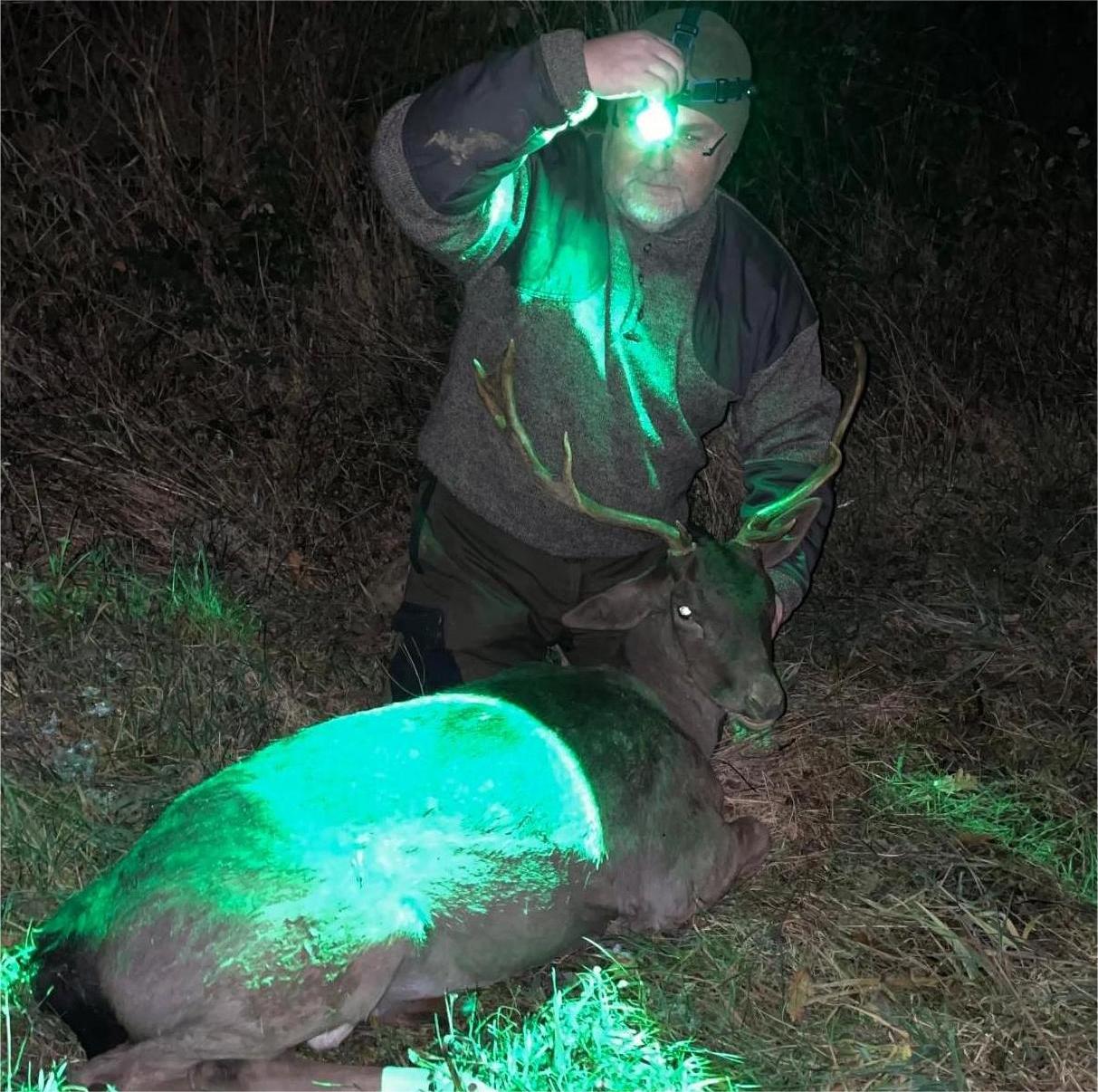
- Neutral white or colored light options
- Downward-angled beams
- Headlamp + handheld combo for task separation
Recommended Brinyte Setup
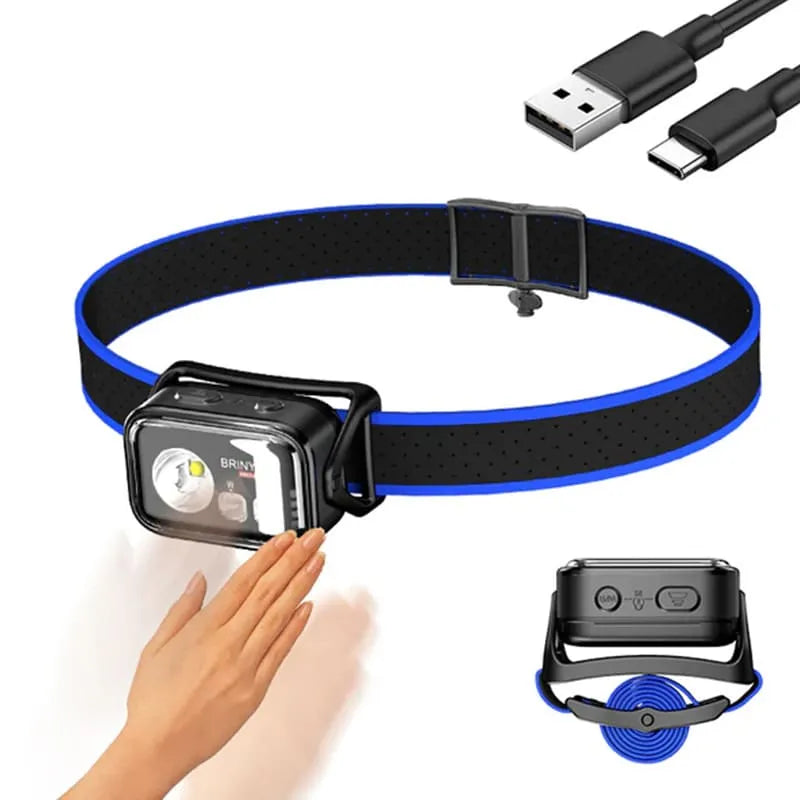
Brinyte HL28 Headlamp (Red / Green / White)
- Hands-free operation for tracking or dressing game
- Red or green modes reduce glare and eye strain
- Ideal for snow-covered environments
- Wide, smooth beam for close-to-mid range snow navigation
- Excellent for campsite, tracking, and recovery tasks
Matching Weather to the Right Hunting Light
| Weather Condition | Best Beam Type | Output Strategy | Recommended Brinyte |
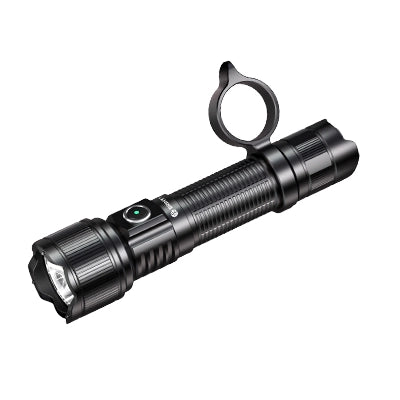
| Rain | Balanced / Controlled | Medium output | T18 |
| Fog | Long throw | Lower brightness | T28 |
| Snow | Soft flood / colored | Low–medium | HL28 / T40 |
Why Weather-Specific Lighting Builds Better Hunting Results
Experienced hunters adjust how they move, how they scan, and how they light based on conditions.
Using a single “brightest possible” flashlight for all weather:
- Reduces visibility
- Increases fatigue
- Spooks animals faster
Weather-adapted lighting improves:
- Target identification
- Depth perception
- Stealth and confidence

FAQ – Weather & Hunting Lights
1. Is higher lumen output better in bad weather?
No. In rain, fog, and snow, excessive brightness often reduces visibility.
2. What flashlight beam is best for foggy hunting conditions?
A tighter throw beam with moderate output performs best.
3. Should I use a headlamp or flashlight in snow?
A headlamp for hands-free tasks and a handheld for scanning works best.
4. Are colored lights useful in snow or fog?
Yes. Red or green light reduces reflection and eye strain.
5. Which Brinyte light is best for rainy environments?
T18 offers excellent balance and stable output in wet conditions.
6. Can fog reflect white light back into my eyes?
Yes. Fog causes backscatter, especially with high-output cool white beams.
7. Is waterproof rating important for hunting lights?
Absolutely. Look for IPX8-rated lights for rain and snow reliability.
8. Can one hunting light handle all weather conditions?
It can—but optimized setups always perform better when conditions change.
Conclusion: Let Conditions Dictate Your Light, Not the Other Way Around
The best hunting light isn’t the brightest—it’s the one that works with the environment, not against it.
Rain demands control.
Fog rewards restraint.
Snow requires balance and color awareness.
By choosing the right combination of T18, T28, T40, and HL28, hunters can maintain clarity, safety, and effectiveness—even when conditions are at their worst.
You May Also Like
-
Improve long-range visibility skills in
Long-Range Identification at Night: How to Spot Game Safely and Accurately -
Learn how weather amplifies lighting mistakes in
Mistakes Hunters Make with Flashlights (and How to Avoid Them) -
Adjust light intensity strategy by reading
How Animals React to Different Light Intensities -
Integrate weather considerations into
Complete Night Hunting Lighting Strategy