

Introduction
Night hunting is not about blasting the brightest beam into the darkness.
It’s about seeing clearly at distance, identifying targets correctly, and staying unseen long enough to make a safe decision.
Long-range identification at night separates experienced hunters from beginners. Misjudging distance, movement, or species in low light can lead to missed opportunities—or worse, unsafe shots. This guide explains how skilled hunters use light strategically to identify game at long range, even in challenging conditions.

What “Long-Range Identification” Really Means in Night Hunting
Long-range identification is not just seeing eyeshine.
It means being able to:
- Distinguish species, not just movement
- Judge distance and behavior
- Confirm background and surroundings
- Decide whether to move, wait, or disengage
In real hunting scenarios, this often happens between 80–200 meters, depending on terrain, weather, and beam quality.
Why Beam Quality Matters More Than Raw Lumens
Many hunters assume higher lumens automatically equal better visibility. In reality, beam structure is far more important.
For long-range ID, you need:
- A defined hotspot to reach distance
- Enough spill light to read surroundings
- Controlled brightness to avoid overexposure
A poorly shaped beam may be bright but ineffective, washing out detail or reflecting back from mist, grass, or snow.
This is why dedicated hunting lights with optimized optics outperform generic high-lumen flashlights in the field.
Choosing the Right Beam Pattern for Distance Identification
Throw-Focused Beams
Best for:
- Open fields
- Forest edges
- Predator scanning
- Identifying body shape and movement at range
A strong throw beam allows you to scan without advancing, keeping scent, noise, and movement to a minimum.
Balanced Beams
Best for:
- Mixed terrain
- Woodland paths
- Slow tracking after initial ID
A balanced beam lets you confirm the animal and still maintain situational awareness around it.
In practice:
Many hunters use a throw beam for initial detection, then switch to a slightly wider beam when closing distance.

Light Color and Long-Range Recognition
Color plays a critical role at distance.
White light
- Best for full detail identification when distance and safety allow. Offers the clearest shape recognition.
Green light
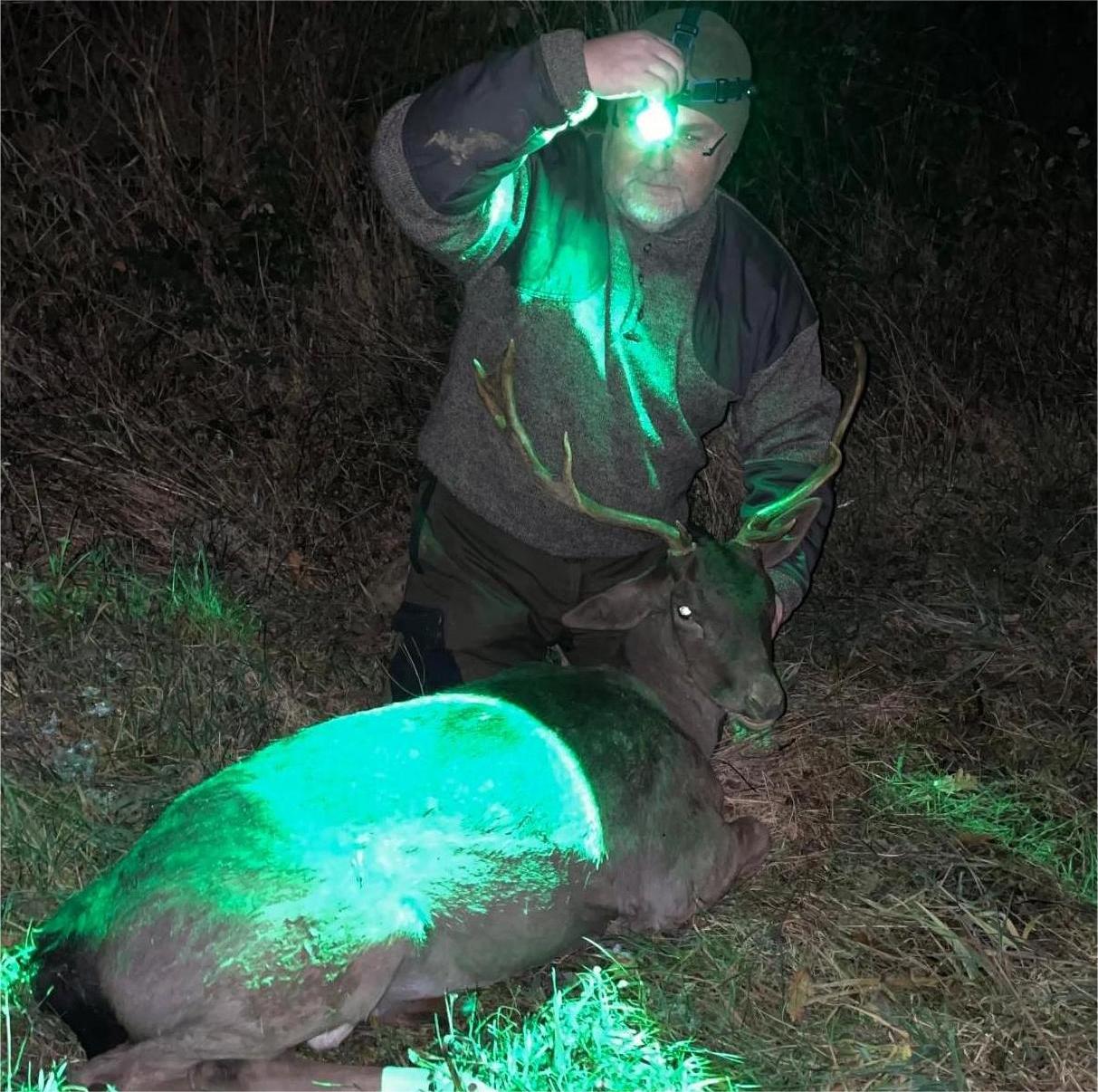
- Excellent for long-range scanning. Less alarming to many species and provides good contrast in vegetation-heavy environments.
Red light
- Better for close-range observation and movement control, but limited for detailed long-range ID.
For hunters who operate across varied terrain, multi-color hunting lights allow flexibility as conditions change.
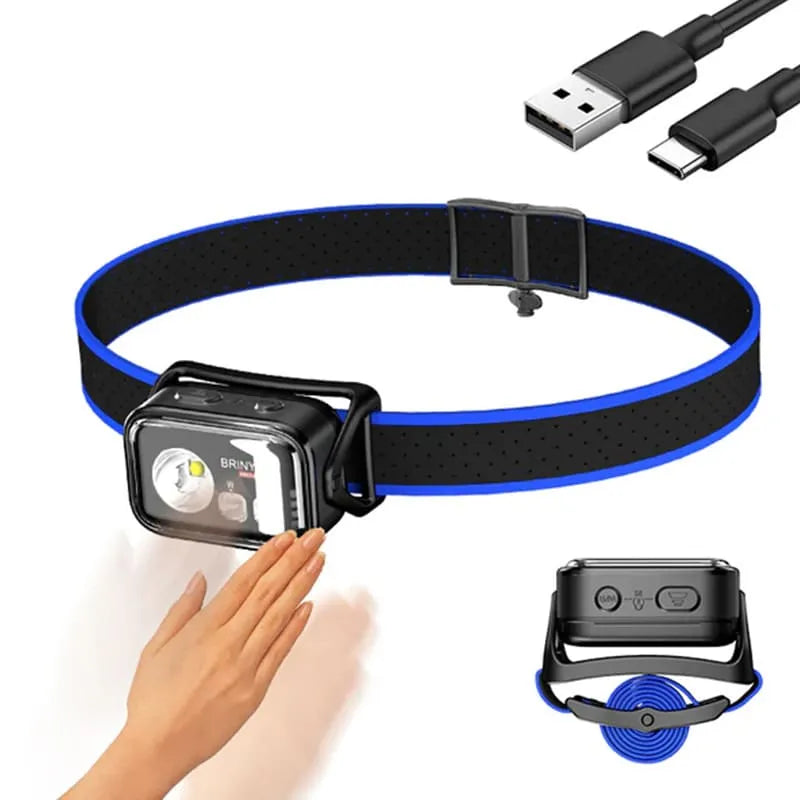
This is where dedicated hunting headlamps like Brinyte HL28, with red, green, and white options, become valuable during long sessions—especially when transitioning between scanning and movement.
Environmental Factors That Affect Identification Distance
Fog, Mist, and Humidity
Light reflects back toward the source, reducing effective distance.
Lower brightness and tighter beams perform better than wide flood modes.
Snow and Frost
High reflectivity can cause glare. Neutral or green light often improves contrast.
Vegetation Density
Tall grass and branches scatter light. A focused beam helps isolate movement behind cover.
Experienced hunters constantly adjust output and beam shape based on these variables rather than sticking to a single mode.

Headlamp vs Handheld Light: When Each Matters
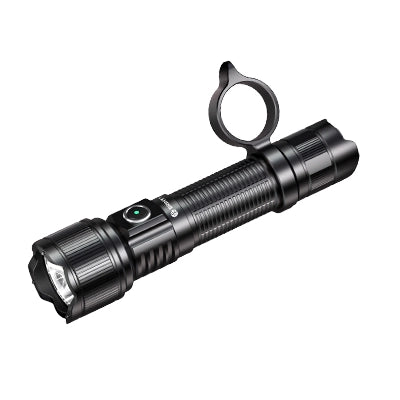
Handheld Hunting Flashlights
Best for:
- Initial long-range scanning
- Controlled identification
- Directional use without body movement
A handheld light allows precise aiming of the beam without shifting your stance.
Hunting Headlamps
Best for:
- Following confirmed trails
- Gear handling
- Navigating terrain after identification
Using a headlamp like Brinyte HL28 at lower output preserves night vision and keeps hands free while moving in.
Pro tip:
Many seasoned hunters carry both—a handheld light for identification, and a headlamp for movement.
Common Long-Range Identification Mistakes
- Overusing turbo mode and washing out detail
- Moving closer before confirming species
- Ignoring background visibility beyond the target
- Using the wrong color for the environment
- Failing to adjust beam angle for terrain slope
Avoiding these mistakes improves success rates and safety dramatically.
Practical Field Technique: Scan, Pause, Confirm
A reliable identification rhythm looks like this:
- Scan slowly with a controlled throw beam
- Pause when eyeshine or movement appears
- Adjust brightness or color for clarity
- Confirm shape, direction, and behavior
- Decide whether to advance, wait, or disengage
Rushing this process is the most common reason hunters misidentify targets at night.
Fequently Asked Questions
Q1: What is long-range identification in night hunting?
Long-range identification refers to clearly spotting and confirming animals at distance in low-light conditions before moving closer or taking any action.
Q2: What flashlight features matter most for long-distance identification?
A focused throw beam, stable lumen output, good penetration in fog or mist, and consistent runtime are more important than maximum brightness alone.
Q3: How many lumens do you need for long-range night identification?
For most night hunting scenarios, 2000–3000 lumens combined with a tight beam profile provide effective identification without excessive glare.
Q4: Does beam distance matter more than brightness for identifying animals at night?
Yes. Beam distance and beam focus determine how well you can identify shape, movement, and eye reflection at long range—brightness alone is not enough.
Q5: How does terrain affect long-range identification at night?
Open fields allow longer identification distances, while forests and uneven terrain require controlled beams to avoid reflection and visual confusion.
Q6: Can weather reduce long-range visibility at night?
Fog, light rain, snow, and humidity scatter light. A well-focused hunting flashlight performs better than wide flood beams in these conditions.
Q7: Should hunters rely on constant high mode for long-range identification?
No. Short, controlled scans at higher output followed by lower modes help preserve night vision, battery life, and stealth.
Conclusion: Distance Is an Advantage—If You Can See Clearly
Long-range identification at night is about patience, discipline, and the right lighting tools. When used correctly, distance works in your favor, allowing you to read the situation before the animal ever senses you.
By choosing hunting-specific lighting with the right beam profile, color options, and control, you gain time, clarity, and confidence—three things every night hunter relies on.
Mastering long-range identification doesn’t just improve success rates.
It makes every night in the field safer and more deliberate.
You May Also Like
-
Understand beam structure and control in
Field-Tested Beam Techniques for Predator Hunters -
See how weather affects long-range visibility in
Weather Matters: Choosing Hunting Lights for Rain, Fog, and Snow -
Learn how brightness influences animal behavior in
How Animals React to Different Light Intensities -
Put long-range identification into a full system with
Complete Night Hunting Lighting Strategy