

Introduction: Do You Need a Headlamp or a Flashlight for Hunting?
One of the most common questions hunters ask—especially those preparing for night or low-light conditions—is simple:
Should I use a headlamp or a handheld flashlight for hunting?
The short answer is: most successful hunters use both—but for different tasks.
Each lighting tool plays a specific role in movement, identification, tracking, and shot preparation. Choosing the wrong setup—or relying on only one—often leads to reduced awareness, missed opportunities, or unnecessary fatigue in the field.
This guide breaks down when to use a headlamp, when a handheld flashlight is the better choice, and how to build an efficient hunting light setup using proven, field-tested principles.
Headlamp vs Handheld Flashlight: The Core Difference
At a fundamental level, the difference comes down to hands-free utility vs directional control.
| Lighting Type | Primary Advantage | Main Limitation |
| Headlamp | Hands-free illumination, constant field awareness | Light direction tied to head movement |
| Handheld Flashlight | Precise beam control, better distance identification | Occupies one hand |
Understanding this distinction is the foundation of a smart hunting lighting strategy.

When a Headlamp Is the Best Choice
A headlamp is not about long-distance identification—it’s about efficiency, safety, and situational awareness.
Best Use Cases for a Headlamp
- Walking to and from hunting spots
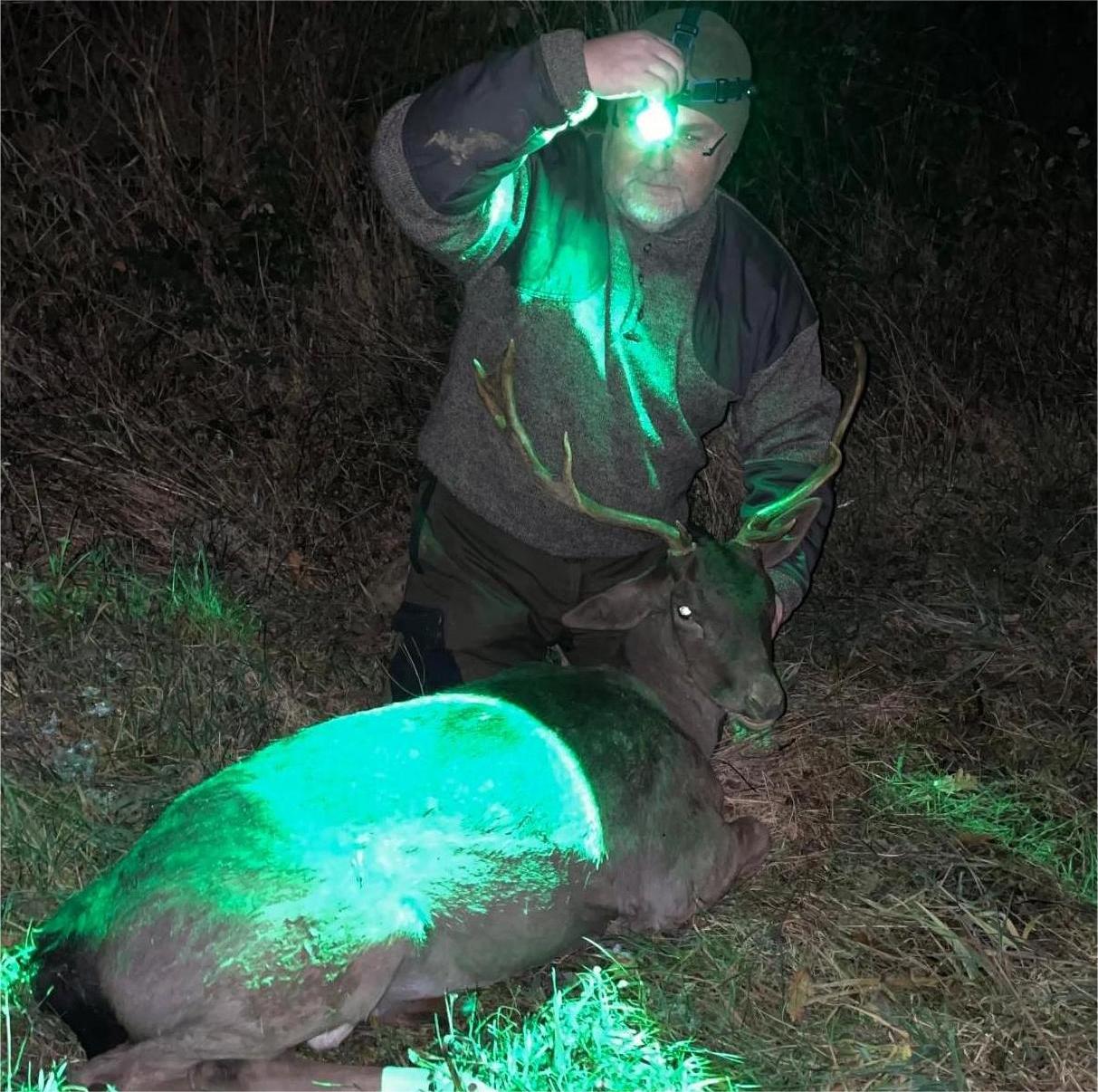
- Tracking blood trails
- Navigating uneven terrain
- Field dressing and gear handling
- Reading maps or GPS devices
- Setting up blinds or tree stands
Because your hands remain free, headlamps reduce fatigue and help maintain balance—especially during long hunts or cold conditions.
Why Multi-Color Headlamps Matter
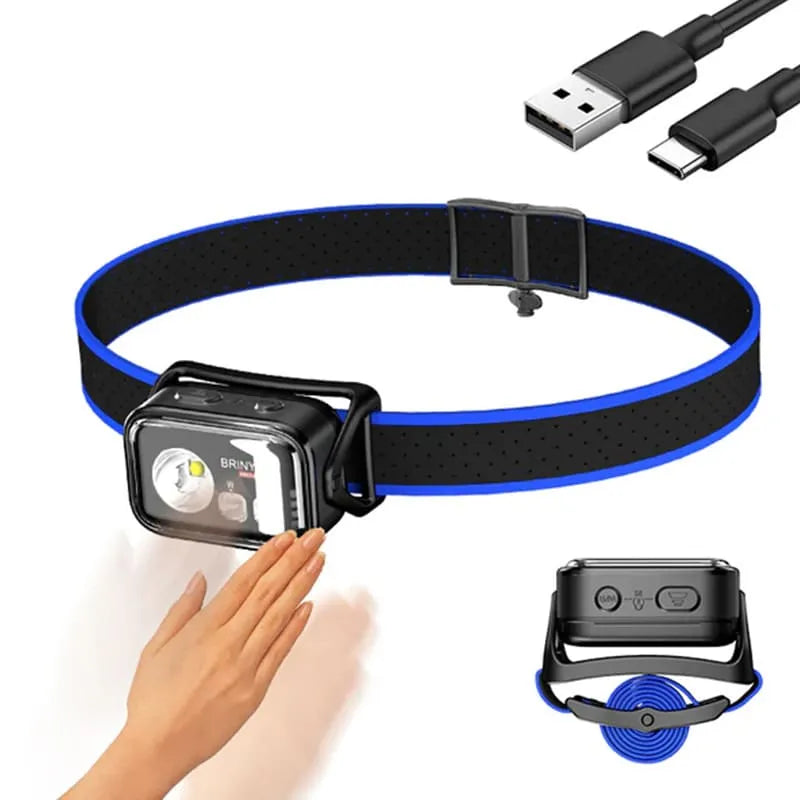
Modern hunting headlamps often include white, red, and green light options, allowing hunters to adapt lighting to different situations without changing equipment.
- White light: general navigation and close tasks
- Red light: preserves night vision, minimizes disturbance
- Green light: better contrast for terrain and blood tracking
Brinyte Headlamp Options for Hunting
- HL28 – Tri-color (white/red/green) headlamp with adjustable beam, ideal for adaptable field use
- HL18 – Lightweight, efficient headlamp for extended wear and movement
- HL16 – Rotatable head design, excellent for precise close-range work and camp tasks
These models are designed for long runtimes, stable output, and cold-weather reliability—critical factors during extended hunts.

When a Handheld Flashlight Is the Better Tool
A handheld flashlight excels where control and distance matter most.
Best Use Cases for a Handheld Flashlight
- Long-range identification
- Scanning open fields or forest edges
- Confirming eye shine or animal shape
- Shot preparation and target confirmation
- Signaling or emergency use
Unlike headlamps, a handheld flashlight allows you to control exactly where the beam goes, reducing unnecessary light spill and minimizing detection.
Why Beam Discipline Matters
Experienced hunters rarely keep a flashlight constantly on. Instead, they use:
- Short, controlled scans
- Momentary activation
- Lower output modes unless identification is required
This approach limits exposure and preserves battery life.
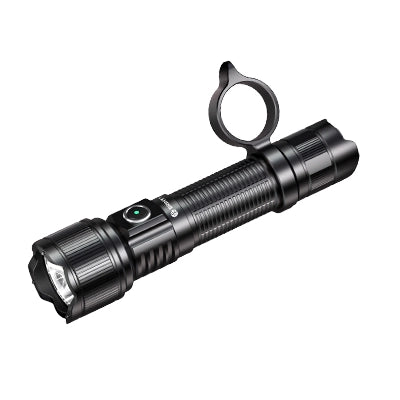
Recommended Brinyte Handheld Option
PT28 – A balanced hunting flashlight offering controlled throw, reliable brightness, and durable construction—ideal as a companion to a headlamp rather than a replacement.

The Optimal Hunting Light Setup: Use Both
The most effective lighting strategy is not choosing one over the other—it’s combining both tools intelligently.
Recommended Dual-Light Setup
- Primary movement light: Headlamp (HL28 / HL18 / HL16)
- Identification & confirmation: Handheld flashlight (PT28)
- Backup: Spare batteries or secondary light source
This setup allows you to:
- Move safely without fatigue
- Maintain situational awareness
- Identify targets without overexposure
- Transition smoothly between tasks
Common Mistakes When Choosing Between Headlamp and Flashlight
- Relying on only a headlamp for long-range scanning
- Using a handheld flashlight for constant movement
- Ignoring beam color options
- Overusing high-output modes unnecessarily
- Not considering cold-weather battery performance
Avoiding these mistakes dramatically improves efficiency and safety in the field.
Frequently Asked Questions
1. Do I need a headlamp or a flashlight for hunting?
Both serve different purposes.
A headlamp is best for hands-free movement and close-range tasks, while a flashlight excels at long-range identification and focused scanning.
2. When is a headlamp better than a flashlight during a hunt?
Headlamps are ideal when walking trails, setting up gear, tracking blood, or handling equipment—any situation where keeping both hands free improves safety and efficiency.
3. When should I switch to a handheld flashlight?
Use a flashlight when you need longer throw, tighter beam control, or precise target identification, especially at distance or before taking a shot.
4. Is it better to use both a headlamp and a flashlight together?
Yes. Many experienced hunters run a dual-light setup:
headlamp for movement and tasks, flashlight reserved for scanning and identification.
5. What light colors are best on a hunting headlamp?
Multi-color headlamps with white, red, and green modes offer the most flexibility.
Red and green help reduce animal alertness and preserve night vision.
6. Are headlamps bright enough for night hunting?
For close to mid-range tasks, yes.
However, for long-distance visibility and confident identification, a handheld flashlight provides superior reach.
7. How should I carry a flashlight while wearing a headlamp?
Keep the flashlight powered off and easily accessible—in a belt holster or jacket pocket—so you can activate it instantly when needed without constant light exposure.
8. What’s a practical hunting light setup for beginners?
Start with a multi-color headlamp for movement and tasks, then add a mid-range flashlight as your experience grows. This setup covers most hunting scenarios safely.
Conclusion: Build Your Lighting Setup Around the Hunt
There is no single “best” hunting light—but there is a best setup.
Headlamps provide freedom, safety, and endurance, while handheld flashlights offer precision and reach. When used together, they create a balanced system that supports every stage of the hunt—from approach to recovery.
By choosing the right combination of tools, such as Brinyte’s HL-series headlamps paired with Brinyte PT28, hunters can stay adaptable, efficient, and prepared in changing conditions.
A smart lighting setup doesn’t just illuminate the hunt—it improves every decision you make in the dark.
You May Also Like
-
Learn how different hunting scenarios affect gear choice in
Hunting Flashlight Basics: How to Choose the Right Light for Every Scenario -
Understand how beam techniques differ between setups in
Field-Tested Beam Techniques for Predator Hunters -
Optimize setup for stealth movement with
Stealth Approaches for Night Hunting: Lighting Techniques That Don’t Spook Game -
Combine gear choices into a full lighting system in
Complete Night Hunting Lighting Strategy