

More Than a Flashlight: The Things We Pass Down and the Stories They Hold
The only inheritance that matters is something your son can still turn on twenty years after you're gone. A full-metal, hard-anodized Brinyte flashlight — built from aircraft aluminum, powered by standard replaceable batteries — is not just illumination. It is a deliberate choice to own something that outlasts you.

✔ The man who has thrown away too many plastic things and wants something real
✔ Anyone who has ever wondered: what will I leave behind that still works?
1. The Old Flashlight That Still Worked
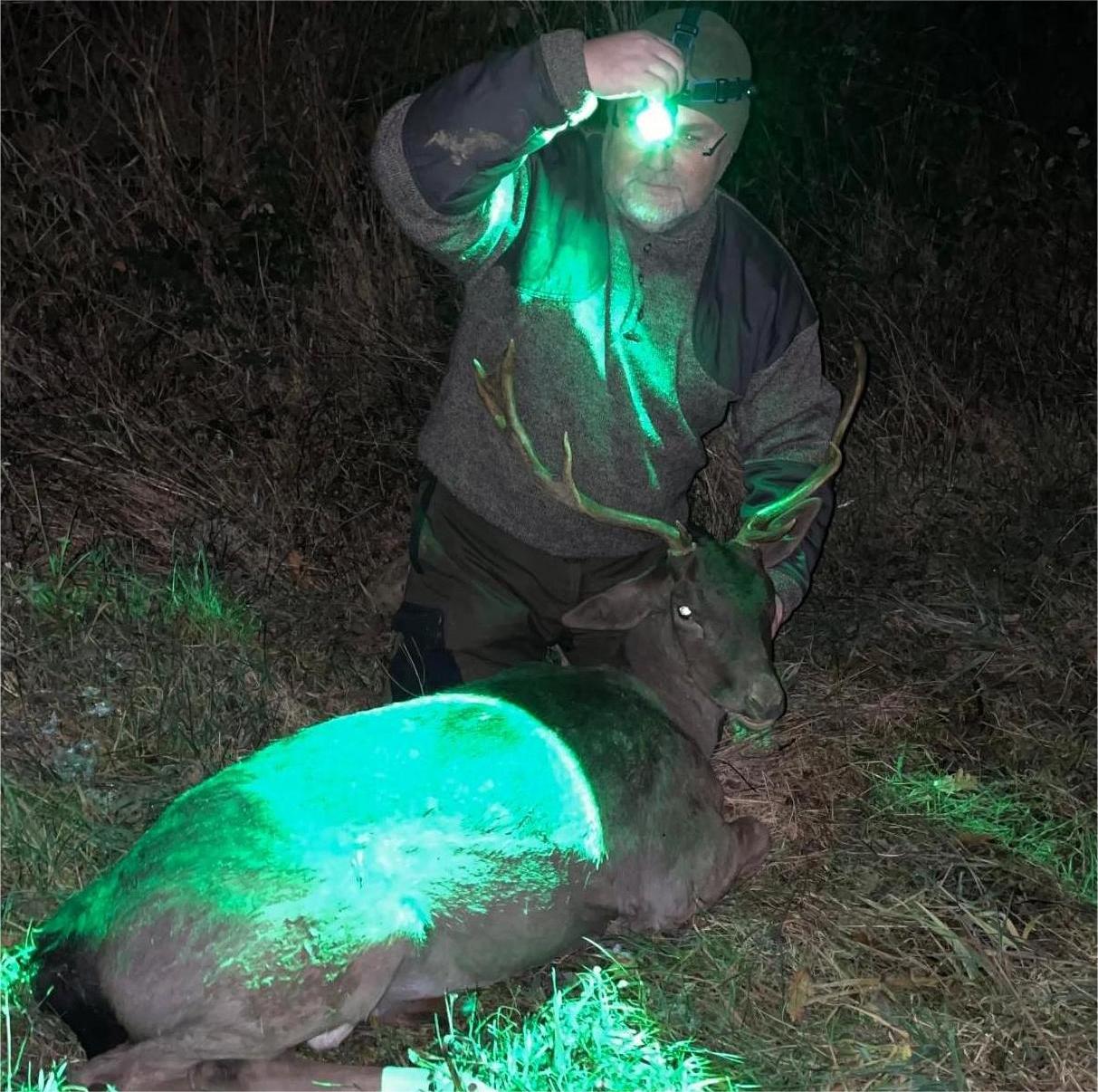
I found it in a cardboard box in the garage, three days after the funeral. My father's old flashlight — scratched, dented, the anodizing worn smooth at the grip points where his thumb and index finger had held it for years. I pressed the tail switch without expecting anything. And it turned on. A warm, steady beam. Thirty years old. Still working.
I sat on the concrete floor of that garage and wept. Not because the flashlight was valuable — it wasn't, in any monetary sense. But because in that moment, my father's hand was still there, shaped into the aluminum by years of use. The scratches were his scratches. The worn tail cap was worn by his thumb. This was not a tool. This was a handshake from across time.
I tell this story because it reveals something about the objects we keep. The things that survive us are not the expensive electronics. They're not the smartphones with their sealed batteries and planned obsolescence. They are the things made of metal. The things with no expiration date. The things that were built to be repaired, not replaced.
An heirloom-quality tool is one that is designed to function for decades — and to be repaired when it doesn't. It uses standard parts, not proprietary ones. It is made of metal, not plastic that embrittles. It can be opened, cleaned, and put back together. These qualities don't happen by accident. They happen when a manufacturer decides that longevity is more important than cost-cutting.
The most meaningful objects in a man's life are the ones that still work after he's gone. A flashlight that turns on after thirty years is not just a light source — it is proof that some things are built to outlast the people who made them. And when your son picks it up, he will feel your hand in the worn places.
2. What We Leave Behind — Gadgets Die, Tools Endure
In 2026, the average smartphone is designed to last two to three years before the battery degrades beyond practical use — and the battery is sealed inside. The average smart home gadget loses software support within five years. The average plastic flashlight? One good drop onto concrete and the lens cracks, the switch jams, and it goes in the trash.
Now think about the things your grandfather owned. A mechanical watch. A steel pocket knife. A walnut-stocked rifle. What do they have in common? No operating system. No sealed battery. No planned end-of-life. They were built with the assumption that someone would still be using them half a century later.
Q: What should a man leave his son that still works?
A: Leave him something made of metal, powered by standard batteries, built to be disassembled and repaired. A Brinyte flashlight with a 21700 battery will still have replacement cells available decades from now — and the machining will still be tight.
This is not nostalgia. It is a practical argument about materials. Aluminum does not rot. Hard anodizing does not peel. Standard batteries do not become unobtainable. A flashlight built on these principles belongs to a category of objects that outlast their owners — not because they are precious, but because they were never designed to fail.
The difference between a gadget and an heirloom is not the price tag. It's whether the manufacturer wants you to buy another one. A sealed battery is a countdown to the landfill. A standard 21700 cell is an invitation to keep going. Choose tools that assume you'll still be using them in 2056.
3. The Anatomy of a Tool That Outlasts You
When you disassemble a Brinyte flashlight, you see the decisions that make longevity possible. Let me walk you through them — because once you understand these four design choices, you'll never look at a flashlight the same way again.

3.1 The Body: CNC-Machined Aircraft Aluminum
Most cheap flashlights use extruded aluminum tubing — thin, uniform, and prone to denting. Brinyte bodies are carved from solid billets of 6061-T6 or 7075 aircraft-grade aluminum using CNC machining. This means the walls are thicker where they need to be — around the head, at the threads — and the entire structure is a single seamless piece. No glue joints. No press-fitted plastic sleeves. When you drop it on rock, the rock loses.
3.2 The Finish: Type III Hard Anodizing
A raw aluminum surface is soft and scratches easily. Brinyte applies Type III hard anodizing — an electrochemical process that grows a sapphire-hard oxide layer up to 50 microns into the metal surface. This layer is non-conductive, corrosion-proof, and scratch-resistant to the point that you can drag a knife blade across it without leaving a mark. More importantly, it doesn't peel. The scratches that do appear over decades — the ones your son will trace with his finger — are in the metal beneath, not in a coating.
3.3 The Power: Standard Replaceable Batteries
This is the single most important feature for longevity, and it's the one most consumers overlook. A sealed, proprietary battery is a death sentence for a tool. When the manufacturer stops making that specific pack — and they will — your flashlight becomes a paperweight. Brinyte's core models use 18650 or 21700 lithium-ion cells: industry standards used in everything from power tools to electric vehicles. Your son will be able to buy a replacement 21700 cell in 2056. The T18 goes further: its modular LED system allows you to swap the entire light engine as LED technology evolves — without replacing the body.
3.4 The Sealing: IP68 / IPX8 Waterproofing
Water is the enemy of longevity. Moisture corrodes contacts, fogs lenses, and shorts circuits. Brinyte tactical and hunting lights carry IP68 or IPX8 ratings — meaning they survive full submersion at 2 meters depth. The double O-ring seals at every threaded joint are user-replaceable. If an O-ring wears out after a decade, you replace a fifty-cent rubber ring, not the whole flashlight.

A tool that outlasts you needs four things: a machined metal body, a hard anodized finish, standard replaceable batteries, and user-serviceable seals. Every Brinyte tactical and hunting light is built to this standard — not because it's required, but because in 2009, the founder decided that the only kind of flashlight worth building was one his own son could inherit.
4. Three Lights Worth Passing Down
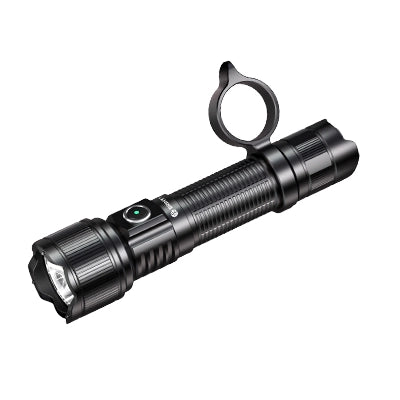
🔦 Brinyte PT16
2000 lm · 600m · IP68 · 21700 (ANSI FL1)
SFT40 LED, dual-switch. The benchmark tactical light — simple, indestructible, and still the one most fathers reach for.
🔦 Brinyte ZT40
1650 lm · 490m · 6°–70° Zoom · IPX8 (ANSI FL1)
From wide flood to pinpoint spot in one twist. The light that adapts to whatever your son will face.
🔦 Brinyte T18
650 lm · Zoomable · Modular LED System (ANSI FL1)
Replace the LED module as technology advances — keep the body forever. The concept that redefines "heirloom."
A flashlight worth passing down doesn't need to be the brightest. It needs to be the one that still turns on. Every Brinyte model uses standard batteries, full metal construction, and user-serviceable seals — because obsolescence is a design choice, and we choose the other path.
5. What Did Your Father Leave You?
Every man I know who owns something from his father — a watch, a knife, a set of wrenches — tells the same story when you ask about it. His voice changes. He holds the object differently. He traces the worn spots with his thumb, exactly where his father's thumb wore them down.
We want to hear your story. What tool or piece of gear did your father or grandfather leave you? Post a photo on Instagram with #BrinyteLegacy and tag @BrinyteOfficial. Tell us the story of what it is, who it came from, and what it means to you. Once a month, we will feature one story on the Brinyte blog — and send a Brinyte PT16 to the author, because maybe that story deserves a new chapter.
This is not a contest. It is an acknowledgment that the objects we keep are the ones that keep us connected to the people who made us. And if you're starting from scratch — if no one left you that thing — then you can be the one who starts the tradition. The first chapter of a legacy begins with a single decision: I will own something worth inheriting.
Not every father receives an heirloom. Some fathers become the first. Buying a tool that was built to last is not a purchase — it is the opening sentence of a story your son will tell his own son. The scratches haven't been earned yet. But they will be.
Start Something Your Son Will Hold
Brinyte flashlights are machined from aircraft aluminum, hard anodized, and powered by standard replaceable batteries. No sealed obsolescence. No expiration date.
Find a Light Worth KeepingAbout Brinyte
Founded in 2009. 50+ patents. ISO9001 certified. Every Brinyte flashlight is built from CNC-machined aircraft aluminum with Type III hard anodizing, standard replaceable batteries, and user-serviceable seals. Designed to be repaired, not replaced.
"Engineered for the mission — proven in the field."
Founded 2009 · 50+ Patents · ISO9001
❓ Frequently Asked Questions
What makes a flashlight an heirloom-quality tool?
Four factors: a machined metal body (not plastic), a durable finish like Type III hard anodizing, standard replaceable batteries (18650/21700, not sealed proprietary packs), and user-serviceable seals. Brinyte flashlights meet all four criteria.
How long can a Brinyte flashlight last?
With proper care — replacing O-rings and batteries as needed — a Brinyte flashlight can function for decades. The aluminum body and hard anodizing do not degrade. The standard battery platform ensures replacement cells will remain available indefinitely.
Why are standard batteries important for longevity?
Proprietary battery packs become unavailable when a manufacturer discontinues a model or goes out of business. Standard 18650 and 21700 cells are industry-wide formats used in power tools, EVs, and consumer electronics — they will be available for decades.
Which Brinyte flashlight is best for passing down?
The PT16 (2000lm, 600m throw, IP68) is the classic choice — simple, durable, and battle-proven. The ZT40 adds zoom versatility. For the ultimate heirloom concept, the T18's modular LED system allows the light engine to be upgraded while keeping the original body.
What is Type III hard anodizing?
Type III hard anodizing is an electrochemical process that grows a sapphire-hard aluminum oxide layer into the surface of the metal. It is scratch-resistant, corrosion-proof, and does not peel. It is the same finish used on military firearms and aerospace components.
Can I replace parts on a Brinyte flashlight myself?
Yes. O-rings, batteries, and tail caps are user-replaceable. The T18's modular LED system allows the entire light engine to be swapped without tools. Brinyte designs for serviceability because a tool that cannot be repaired cannot be passed down.