

Into the Quiet: The Only Notification That Matters in the Wilderness Is a Flashlight Click
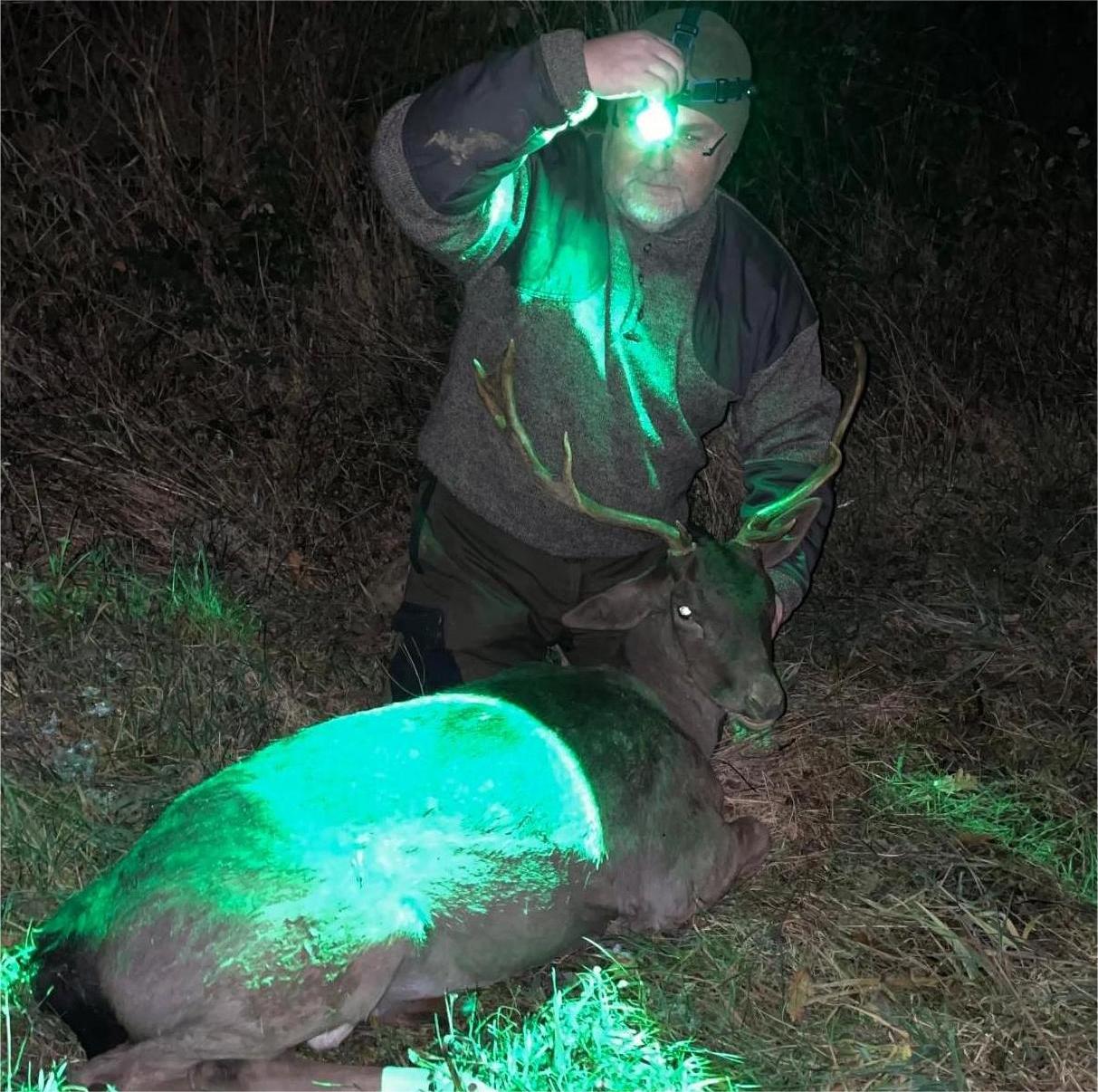
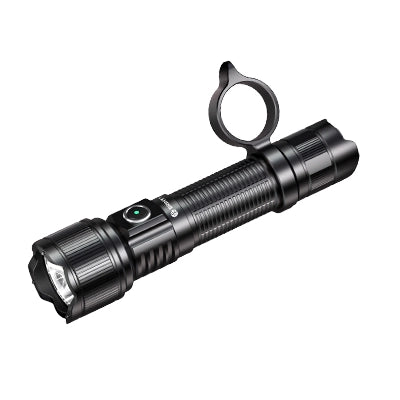
The most radical act of rebellion in 2026 is turning everything off and walking into the dark with a single flashlight. A solo night hike with no phone, only a Brinyte T28 or ZT40, is deliberate retreat — a ritual that replaces digital noise with the mechanical click of a tail switch.

✔ Hunters who understand the best tool is one that doesn't distract
✔ Anyone who's ever wanted to walk into the woods at night and just disappear
1. The Noise That Follows You — Why Silence Became a Luxury
By 2026, the average American adult receives 96 notifications per day. Email, Slack, news alerts, fitness reminders, social media pings — each one a tiny needle of dopamine and cortisol. The smartphone has become a second nervous system, and we are collectively over‑stimulated. Silence is no longer the default; it is a luxury item that must be pursued.
Psychologists now routinely prescribe "digital fasting," and the most valuable real estate in any city is the park bench without a cell signal. For a certain kind of person — the one who still remembers what uninterrupted thought felt like — the answer is not another app that limits screen time. The answer is to walk away entirely, into a place where there is no signal. And to bring only a flashlight.
Information overload is the cognitive fog produced by constant digital input. Studies show it impairs decision‑making, raises cortisol, and erodes the ability to be alone with one's own thoughts. The antidote, increasingly, is sensory deprivation — and the wilderness at night delivers it perfectly.
Quiet is the new luxury good. A solo night hike with a purpose‑built flashlight exchanges 96 notifications for a single, meaningful click — and that click says: I am here, and I can see.
2. Walking Into the Dark as Rebellion — Why a Solo Night Hike Is the Ultimate Detox
It begins with a decision. Not to escape, but to withdraw deliberately. A solo night hike is not running away — it is an intentional retreat. You leave your phone in the car, or better yet, at home. You step onto a trail where the only light sources are the stars and the flashlight in your hand. The first ten minutes are always uncomfortable: the phantom buzz of a device that isn't there. But then something shifts.
Q: Is a night hike without a phone dangerous?
A: Not if you're prepared. A dedicated flashlight with reliable output and spare batteries eliminates the need for a phone light. Tell someone your route and carry a backup light — that's true safety.

As your eyes adjust and the phone‑shaped hole in your attention begins to close, you start to notice things. The sound of wind through pine needles. The distant call of an owl. Your own breath. The flashlight beam becomes a partner in exploration, not a screen to scroll. This is the state hunters call "flow" — a hyper‑focused calm that modern life systematically destroys.
A dedicated flashlight induces flow by removing all distractions. There is no notification, no camera, no temptation to check the time. Only the beam, the trail, and the next step. Brinyte hunting lights like the T28 are built precisely for this — tools that disappear into the experience.
3. The Ritual of the Click — How a Flashlight Becomes a Mental Anchor
There is a ritual that unfolds every time you pick up a Brinyte flashlight for a night hike. First, you twist the tail cap to ensure the battery is secure, feeling the machined aluminum cool against your palm. Then, a half‑press of the side switch to activate red light mode — preserving your night vision while you scan the immediate area. This is observation, not illumination. It's the quiet before the journey begins.
When you're ready to move, a full click brings up the low white beam. The path reveals itself one step at a time. Each click of the tail switch is a conscious decision: on, off, brighter, dimmer. It's a rhythm that replaces the chaotic feedback of a smartphone. Over weeks of solo hikes, this mechanical ritual becomes a form of meditation — an anchor that pulls you back into your body and out of your head.

Later, in camp, the ritual continues. The ZT40 set to its lowest mode becomes a reading lamp for a paperback. No blue light, no scrolling — just ink on paper, and the soft hum of the forest. This is what it means to reclaim silence: not to flee from life, but to rediscover what life feels like without a screen mediating every moment.
A flashlight's physical controls — a rotary ring, a tail switch — demand presence. You cannot operate them mindlessly. Every twist and click reinforces that you are here, in the dark, choosing to see. That deliberate action is the opposite of a notification.
4. The Tools That Guard the Silence — Brinyte Lights for the Solo Hiker
🔦 Brinyte T28 Artemis
Red/White/Green · USB‑C (ANSI FL1)
Tri-color versatility. Red mode protects night vision for silent wildlife observation.
🔦 Brinyte ZT40
1650 lm · 490m · 6°–70° Zoom · IPX8 (ANSI FL1)
Zoomable from wide flood to pinpoint spot. Low mode is perfect tent reading light.
🔦 Brinyte T5X
High‑CRI LED · Silent Operation (ANSI FL1)
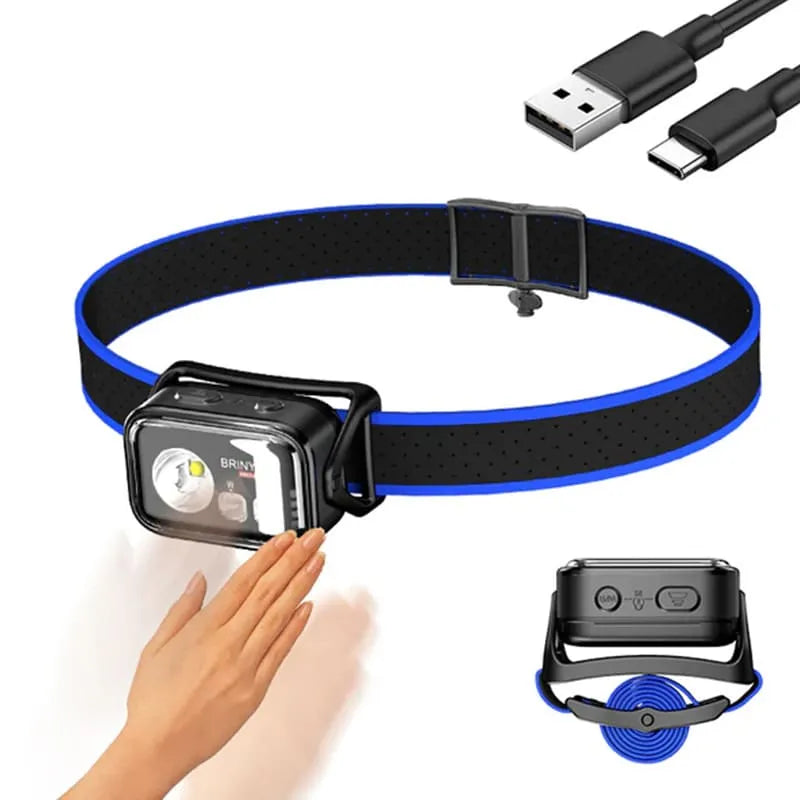
Designed for hunters who need absolute focus. The quiet companion for tracking game in low light.
The right flashlight doesn't distract — it disappears into the experience. Brinyte's hunting series (T28, T5X) and the versatile ZT40 are designed to be felt, not fiddled with. They guard the silence you came for.
5. Share Your Quiet Corner — And Build Your Own Night Hike Ritual
You don't need a week in the wilderness. Start with an hour after dusk. Leave your phone at home, take a flashlight that has never been "smart," and walk until the world quiets down. Then share your experience. We want to hear about your quiet corner — the trail, the ridgeline, the bench by the lake where you go to turn off the noise. Post a photo of your night hike setup on Instagram with #BrinyteQuiet. We'll feature the best stories on our blog and send a Brinyte T28 to one storyteller each month.
Your First Solo Night Hike: A 3‑Step Ritual
- Turn off all devices or leave them in the car. The only electronics allowed are your flashlight and a spare battery. Tell someone your route beforehand.
- Use your flashlight's red mode to let your eyes adapt. Scan the surroundings slowly. This is the threshold between the digital world and the wild.
- Switch to low white light and proceed at a meditative pace. Focus on the sound of your footsteps. Let the clicking of the tail switch become your mantra.
Deliberate retreat is not weakness — it is a discipline. The solo night hiker returns to the civilized world more grounded, more focused, and with a quiet mind that no notification can shatter.
Claim Your Hour of Silence
Brinyte hunting flashlights are designed for the deliberate retreat. No screens. No updates. Just light, and the quiet it protects.
Explore Hunting LightsAbout Brinyte
Founded in 2009, Brinyte holds 50+ patents and ISO9001 certification. Our hunting and outdoor lights are built for people who crave focus, not features. No companion app. Never.
"Engineered for the mission — proven in the field."
Founded 2009 · 50+ Patents · ISO9001
❓ Frequently Asked Questions
Is it safe to hike alone at night without a phone?
Yes, with proper preparation. Carry a reliable flashlight like the Brinyte T28, tell someone your route, stay on marked trails, and bring a backup light with spare batteries.
What is the benefit of a flashlight with red light mode?
Red light preserves natural night vision. It allows you to observe wildlife without startling them and navigate in the dark without harsh glare that ruins dark adaptation. Hunters have relied on this for decades.
How does a solo night hike help with information overload?
It forces a complete digital detox by removing the source of notifications. The sensory deprivation of the dark, combined with the focused task of navigating by flashlight, breaks compulsive phone checking and measurably reduces cortisol.
Which Brinyte flashlight is best for silent night hikes?
The Brinyte T28 Artemis (tri‑color, red/white/green) is an excellent starting choice. For those who want zoom versatility, the ZT40's 6°–70° adjustable beam and low mode are ideal for reading in camp.
Can I use a regular flashlight for a solo night hike?
A general-purpose flashlight works, but a purpose‑built hunting light offers red mode, controlled throw, and IPX8 waterproofing. A basic hardware store light may fail in damp conditions and lacks the beam discipline needed for wildlife observation.
How long should my first solo night hike be?
Start with 30–60 minutes on a familiar, marked trail. The goal is mental reset — not distance. Always bring a backup light and an extra battery, and let someone know your expected return time before you leave.