
Introduction — How Multi-Color Beams Help Hunters Recover Game More Effectively
In hunting activities, effectively tracking and recovering prey is a crucial step, especially in conditions of insufficient light, complex terrain or harsh weather. Even if the prey has been precisely located and successfully shot, bloodstains can quickly become difficult to identify and track.
The blood tracking lamp is precisely a professional tool designed to solve this difficult problem.
This guide will delve deeply into the working principle and technical features of blood tracking lamps, and particularly explain why the multi-color lighting function can significantly enhance tracking efficiency in complex environments such as dusk, night, or cloudy days. In addition, we will also explore how modern hunting lamps have been optimized and innovated for this specific application scenario.

What Is a Blood Tracking Light?
The bloodstain tracking lamp is a specially designed flashlight for hunting. Its core function is to enhance the visibility of bloodstains, tissues and ground disturbance traces after shooting.
Unlike ordinary white flashlights, bloodstain tracking lights usually employ specific wavelengths of light (most commonly varying within the red, green or blue spectral range) to enhance the contrast between blood and its surrounding environment, such as grass, leaves, soil or snow.
Key difference from regular flashlights:
- Blood tracking lights are not about brightness alone. They are about contrast, color interaction, and surface reflection.
Why Blood Trails Are Hard to See with White Light Alone
Many hunters assume that higher lumens automatically mean better tracking. In reality, white light can wash out detail, especially on:
- Wet leaves
- Dark soil
- Forest floors with mixed textures
- Low-angle light conditions at night
Under white light, blood often blends into shadows or reflective surfaces, making small droplets nearly invisible.
This is why multi-color lighting strategies have become standard practice among experienced hunters.
How Different Light Colors Help Track Blood
Red Light – Reducing Glare & Preserving Detail
Red light reduces surface glare and eye fatigue, making it easier to spot dark blood against vegetation or soil without harsh reflections.
Best used for:
- Close-range tracking
- Dense foliage
- Long tracking sessions where eye comfort matters
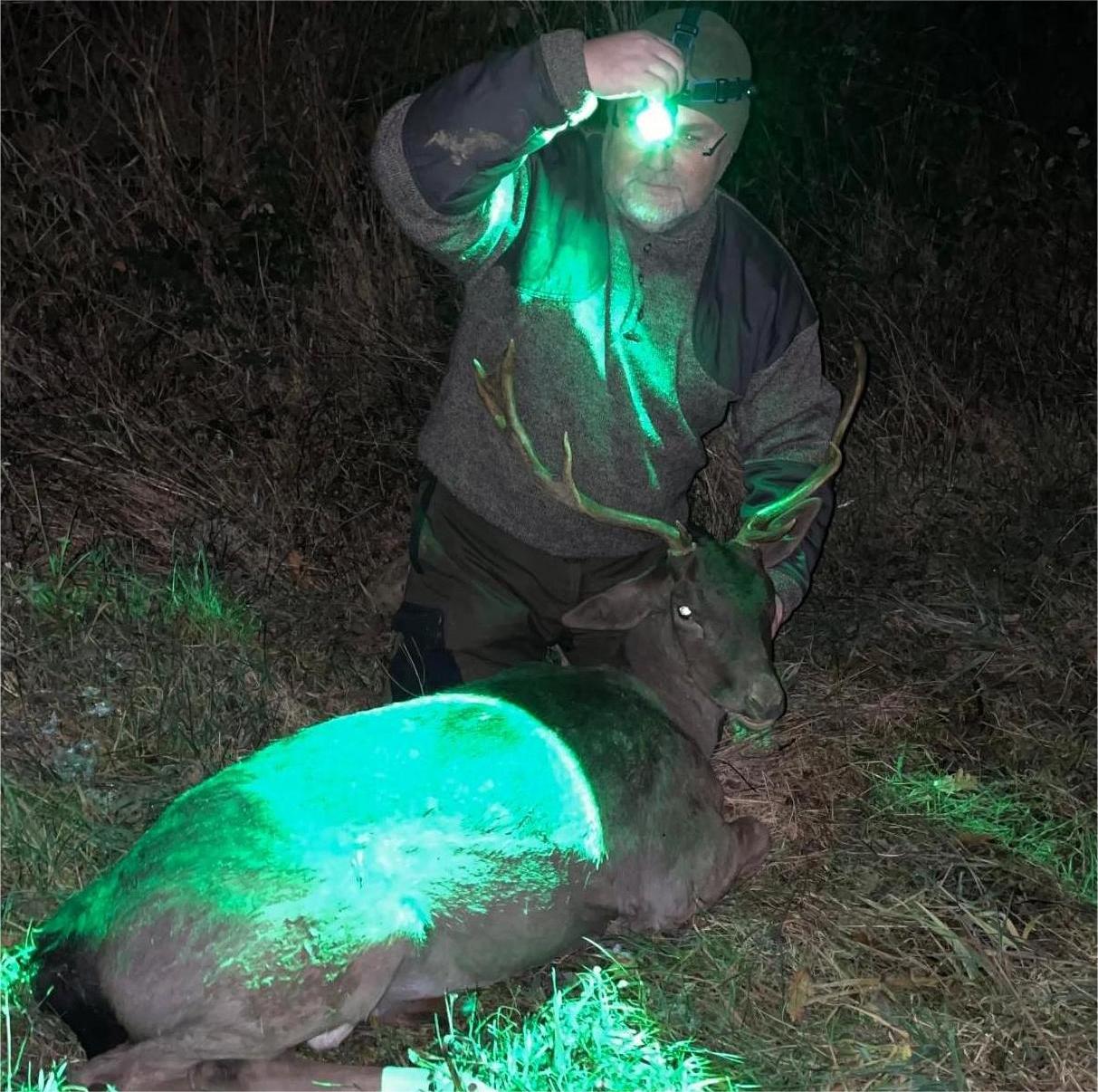
Green Light – Maximum Contrast on Natural Terrain
Green light is widely considered the most effective color for blood tracking in forests and grasslands.
Why it works:
- Blood absorbs green wavelengths, appearing darker
- Leaves and grass reflect green, increasing contrast
- Excellent for scanning wider ground areas
Best used for:
- Forest floors
- Grass, moss, and low vegetation
- Medium-range scanning
Specialized Blue Spectrum – Highlighting Blood Traces
Certain blue-spectrum beams can cause blood to appear darker or more reflective compared to surrounding terrain.
Best used for:
- Dry environments
- Short-range detail checks
- Confirming faint traces
(Note: Effectiveness varies based on terrain and moisture.)

Why Multi-Color Blood Tracking Lights Work Better
Experienced hunters rarely rely on a single color.
A multi-color hunting flashlight allows you to:
- Switch colors as terrain changes
- Cross-check suspected blood spots
- Reduce false positives (mud, berries, shadows)
- Adapt to weather, ground cover, and distance
This flexibility significantly increases recovery success, especially during night tracking or long trailing sessions.
Field Technique: How to Use a Blood Tracking Light Effectively
To maximize results, follow these proven techniques:
- Start with green light for wide-area scanning
- Switch to red light for close inspection
- Keep the beam low and angled, not straight down
- Move slowly—blood often appears at the edge of the beam
- Scan ahead, not just at your feet
- Mark last confirmed blood before moving forward
Blood tracking is a methodical process—your light should support patience, not rush it.
Choosing the Right Blood Tracking Light
When selecting a blood tracking flashlight, look for:
- Multi-color beam modes (red / green / white)
- Wide, even beam pattern (not overly tight throw)
- Long runtime at low-to-medium brightness
- Comfortable handheld or chest-level use
- Weather resistance for rain, fog, or snow
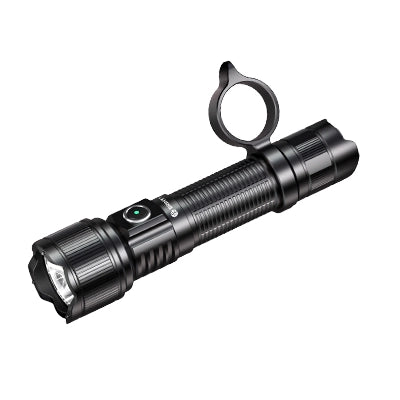
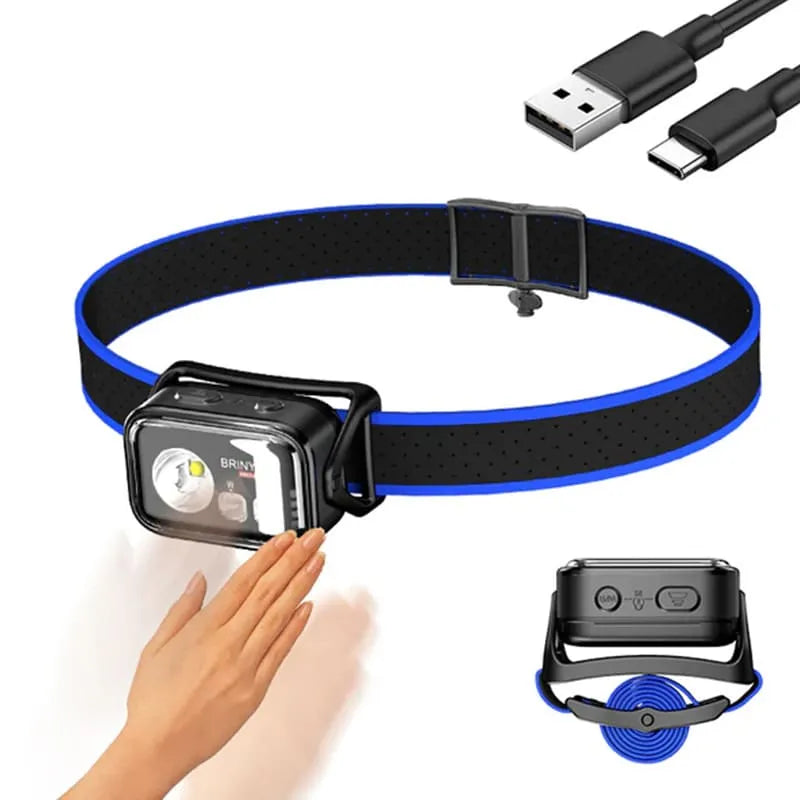
Brinyte Blood Tracking Multi-Color Hunting Flashlight
Designed specifically for recovery scenarios, Brinyte SPECTRA T5X combines practical field features into one dedicated tool.
Why it fits blood tracking needs:
- Multi-color output optimized for tracking environments
- Smooth beam profile for ground scanning
- Easy color switching in the field
- Reliable performance in low-light and adverse conditions
Rather than relying on guesswork, this type of purpose-built tool allows hunters to work smarter, not harder, during recovery.
Conclusion: Better Light, Better Recovery
Successful hunting doesn’t end with the shot—it ends with recovery.
Understanding how light color interacts with blood and terrain can dramatically improve tracking efficiency, reduce frustration, and ensure ethical outcomes in the field.
A dedicated multi-color blood tracking light isn’t a gimmick—it’s a practical solution developed from real-world hunting experience. When visibility is limited and every sign matters, the right light makes all the difference.
Frequently Asked Questions
1. What is a blood tracking light?
A blood tracking light is a specialized hunting flashlight that uses specific light colors—such as red, green, or blue—to enhance the visibility of blood trails in low-light conditions.
2. Why do different light colors help with blood tracking?
Different wavelengths interact with blood and terrain differently. Certain colors increase contrast between blood and grass, leaves, or soil, making trails easier to identify.
3. What is the best color light for blood tracking?
There is no single “best” color. Green often works well on grass, blue highlights blood on dark soil, and red helps preserve night vision while scanning close range.
4. Can a regular flashlight be used for blood tracking?
Standard white-light flashlights often lack sufficient contrast and can wash out blood stains. Multi-color hunting lights are far more effective for accurate tracking.
5. How bright should a blood tracking flashlight be?
Moderate brightness is ideal. Excessively high lumens can reduce contrast, while controlled output improves detail recognition on the ground.
6. When should you start blood tracking after a shot?
It’s best to wait before tracking unless the animal is clearly down. Proper timing reduces the risk of pushing a wounded animal farther.
7. Is blood tracking legal during night hunting?
Regulations vary by region. Always check local hunting laws regarding nighttime recovery and the use of artificial light.
8. Why choose a multi-color blood tracking flashlight?
A multi-color flashlight allows hunters to adapt to changing terrain, vegetation, and blood conditions—significantly increasing recovery success rates.