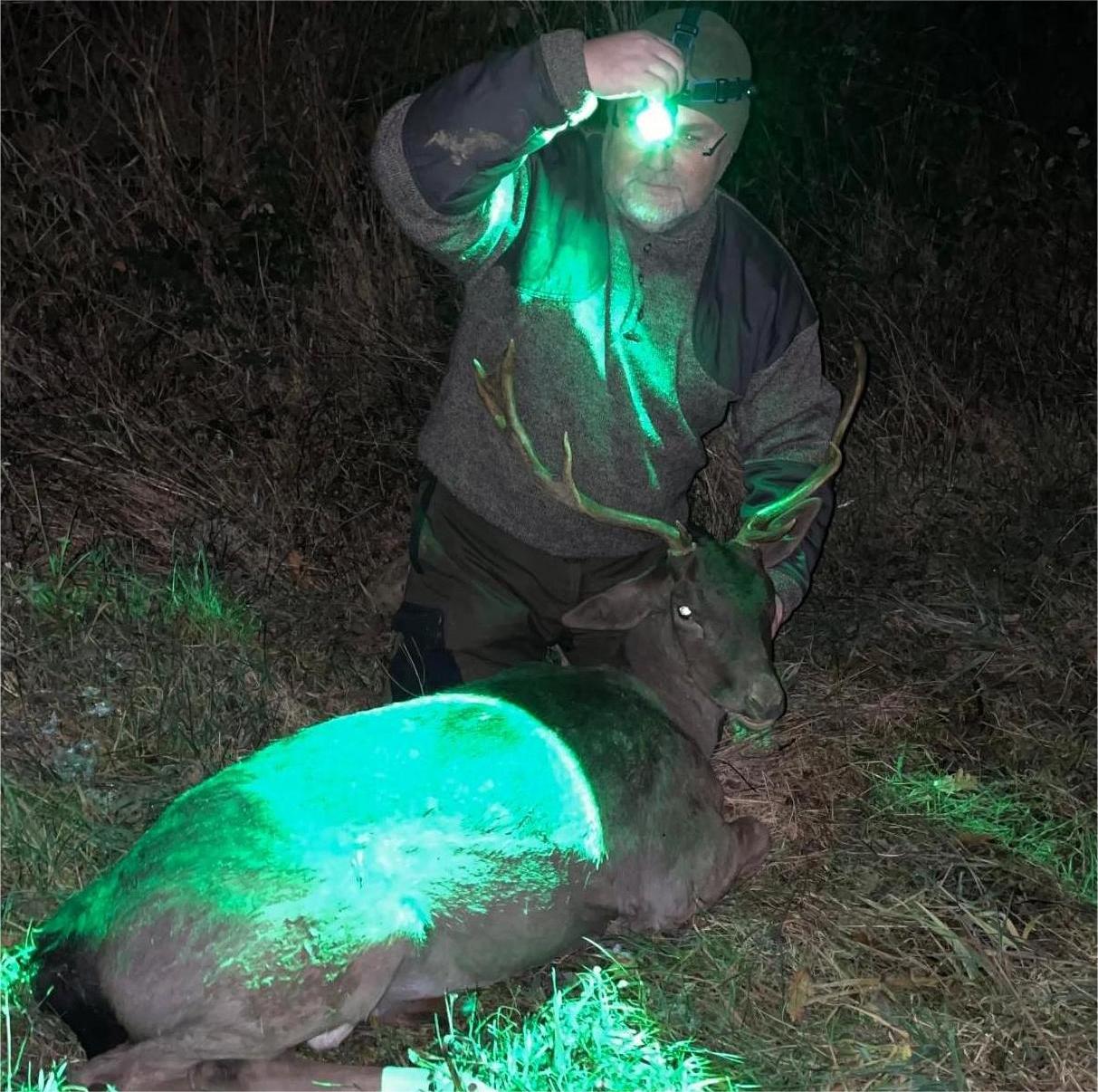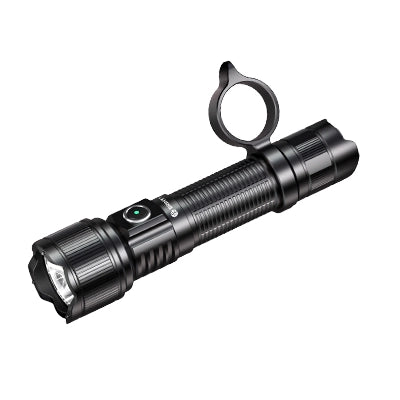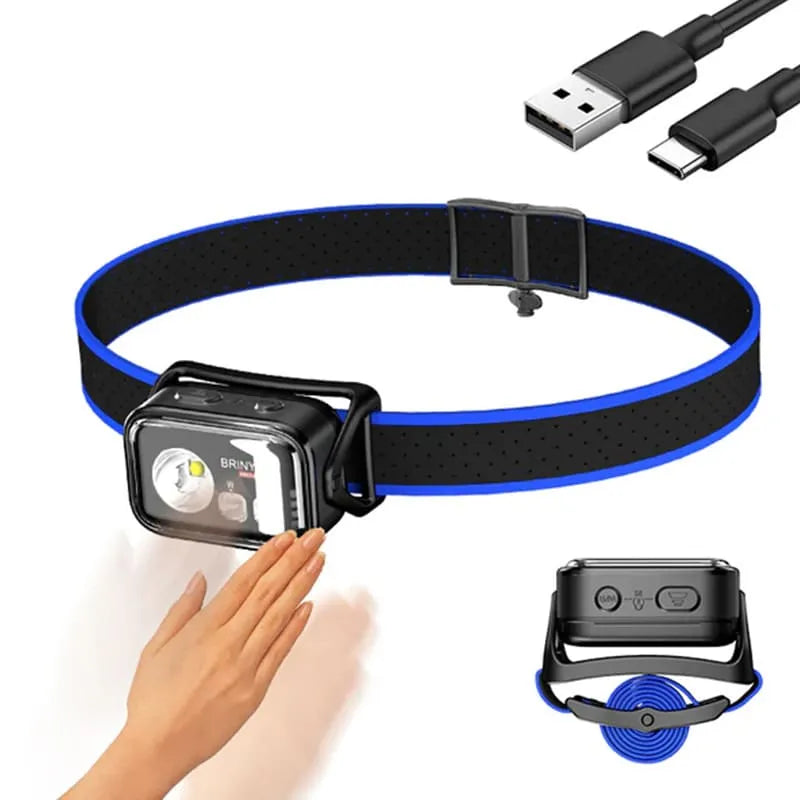


• Lumens vs Candela: Lumens flood a room; candela reaches 200+ yards. Know the difference before buying.
• ANSI FL1 standards: Only compare lights using these official metrics (throw, runtime, waterproof).
• Brinyte system: XP22 MK3 (low‑profile weapon light), PT16A (high‑output handheld/dual‑switch), ZT40 (zoomable dual‑fuel).
👉 Bottom line: Build a modular lighting system around your primary firearms and EDC needs. One light cannot do it all.
✔ Home defenders & concealed carriers
✔ Tactical shooters building a weapon light setup
✔ Hunters who need task‑specific lighting

A tactical lighting system is a coordinated set of illumination tools where each light is selected for a specific mission role — weapon-mounted for engagement, handheld for search and admin, and zoomable for adaptability. The lights share battery types and activation logic to reduce cognitive load under stress. Building a system means choosing complementary lights that cover your primary defensive scenarios without redundancy or capability gaps.
1. Mission‑Based Framework: One Light Cannot Do It All

Walk into any gear forum and you'll see the same argument: "Which light is the best?" The real question is: Best for what mission?
A light optimized for an AR15 patrol rifle will be useless on a concealed carry pistol, and a pocket EDC light cannot serve as a primary weapon light.
| Task Category | Primary Role | Key Specs | Brinyte Model |
|---|---|---|---|
| Rifle / Carbine | Low‑light engagement, scanning, PID | High candela (≥30,000 cd), momentary‑only pressure pad, rugged mount | XP22 MK3, PT16A (with mount) |
| Pistol (CCW / Duty) | Compact, ambidextrous controls, holster‑compatible | Low profile, 500‑800 lm, momentary + constant, strobe optional | XP22 MK3 (low‑profile), ZT40 (compact zoom) |
| Handheld / EDC | Search, admin, backup, blood tracking | Multi‑color (red/green/UV), zoomable, dual fuel, long runtime | PT16A, ZT40, T5X (UV/blood tracking) |
Tactical lighting is not a one-size-fits-all solution. A rifle-mounted light requires high candela for outdoor positive identification at distance, while a pistol light prioritizes compact profile and ambidextrous activation. A handheld EDC light serves search, administrative, and backup roles that weapon-mounted lights cannot fulfill. The foundation of any tactical lighting system is matching the light's specifications to the specific demands of its mission role.
2. Lumens vs. Candela – The Most Misunderstood Spec

- Lumens (lm): Total light output. Higher lumens = brighter flood. Useful for indoor clearing, admin tasks, wide area illumination.
- Candela (cd): Peak beam intensity. Higher candela = longer throw. Critical for outdoor PID, rifle use, spotting at distance.
Real‑world example: A 3000‑lm flood light may only throw 150m because the beam is wide. A 650‑lm focused light can throw 500m because candela is high (69,600 cd). For rifle‑mounted lights, prioritize candela ≥30,000 cd. For handheld admin/backup, prioritize lumens + flood.
3. ANSI FL1 Standards – The Only Way to Compare Lights

Never trust marketing claims. Use the ANSI/NEMA FL1 standard to compare lights side‑by‑side. The standard defines:
- Output (lumens): Measured after 30‑120 seconds (not initial peak).
- Beam distance (meters): Derived from candela (√(cd/0.25)).
- Runtime: Time until output falls below 10% of initial value.
- Impact resistance: Drop test height (1m, 2m, etc.).
- Waterproof rating: IPX7 (1m/30min) or IPX8 (continuous).
All Brinyte tactical lights are ANSI FL1 tested.
The ANSI/NEMA FL1 standard provides the only reliable framework for comparing tactical flashlight performance. It defines six metrics — output, beam distance, peak beam intensity, runtime, impact resistance, and water resistance — each measured under standardized conditions. Without FL1 compliance, manufacturer claims of lumen output and beam distance cannot be verified or compared across brands.
4. Brinyte Tactical System – Product Overview
For a complete system, pair a weapon‑mounted XP22 MK3 on your rifle/pistol with a PT16A or ZT40 handheld as backup/search light.
📥 Free Download: Tactical Flashlight Mission Cheat Sheet (PDF)
One‑page printable: task‑to‑spec matching matrix, ANSI FL1 quick reference, and lumens vs candela decision tree. Keep it in your range bag.
❓ Frequently Asked Questions
What is the best weapon light for an AR15 patrol rifle?
Look for high candela (≥40,000 cd), momentary‑only pressure pad, and a secure mount. The Brinyte XP22 MK3 or PT16A with a scout‑style mount are excellent choices. Avoid lights with only constant‑on tail switches for primary weapon use.
Can I use a handheld light as a weapon light?
Not recommended. Handhelds lack proper momentary switches, weapon‑rated impact resistance, and pressure pad support. If forced, use a light with a remote switch option and a sturdy mount. The PT16A can be mounted, but dedicated weapon lights like XP22 MK3 are far superior.
How many lumens for home defense?
200‑800 lumens is ideal. Too many lumens indoors will blind you with backscatter. A weapon light with a momentary‑only mode and strobe can be effective. For handheld, a 500‑800 lm light with a diffuser or low‑high mode works well.
Are CR123A or 18650 batteries better?
18650 rechargeable: higher capacity, lower long‑term cost, better for frequent use. CR123A: longer shelf life, works in extreme cold, no charging needed. The best lights are dual‑fuel (accept both). ZT40 and PT16A support dual‑fuel.
What is the difference between IPX7 and IPX8 waterproof?
IPX7 = submersible to 1 meter for 30 minutes. IPX8 = submersible beyond 1 meter (manufacturer specifies depth). For tactical use, IPX7 is sufficient for rain and drops in puddles. IPX8 is overkill unless you dive with the light.
🤖 Ask AI about your personal setup:
Copy this prompt and paste into Perplexity, ChatGPT, or Claude for a personalized recommendation:
"Based on Brinyte's tactical flashlight system guide, what light specs should I prioritize for [AR15 / home defense / outdoor search] and why?"Ready to Build Your Tactical Lighting System?
Browse our complete collection of tactical flashlights — engineered for every mission, from rifle-mounted to handheld EDC.
Shop Tactical Lights →About Brinyte
Brinyte was founded in 2009. Since then, we have specialized in tactical and hunting lighting. Our products are developed with input from law enforcement professionals, field‑tested in real conditions, and engineered for reliability. Brinyte holds 50+ patents and ISO9001 certification. All tactical lights are ANSI FL1 tested.
👉 About Brinyte | Tactical Flashlights Collection | About the Author
"Professional tools for responsible operators — Brinyte."
Founded 2009 · 50+ Patents · ISO9001