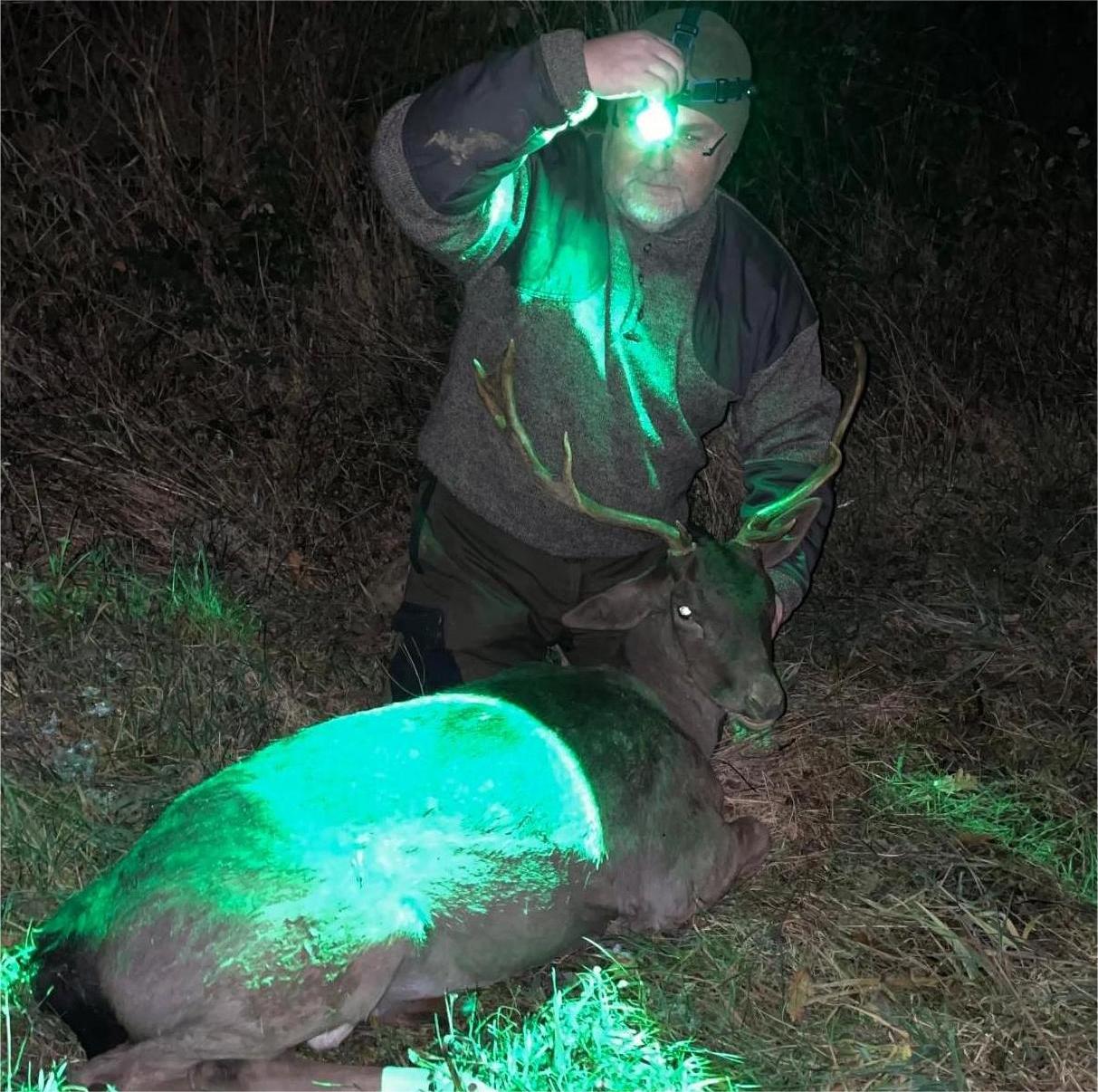


2026 is a year of regulatory divergence, not uniform change. Tennessee launched its first dedicated predator night season. West Virginia codified thermal and any‑color light for coyotes. Idaho drew a sharp line banning tech for big game while protecting predator hunting. The trend is a widening predator‑big game split — not blanket liberalization or restriction.
✔ Official bill numbers, status, and citation links
✔ Enforcement data and agency actions
✔ Implications for gear selection and multistate hunters
1. Bills Signed Into Law in 2026
✅ ENACTED Tennessee — First Formal Predator Night Season
Authority: 2025–2026 TWRA Hunting & Trapping Regulations. Season dates: Jan 17–Mar 8 and Jun 6–Aug 9. Private land only, written landowner permission, shotgun only (no single projectile). Spotlights, night vision, and thermal imaging explicitly permitted. Lights cannot be attached to vehicles.
Takeaway: Tennessee moves from "tolerated" night predator hunting to an official, regulated season with expanded legal methods — a model other southeastern states may follow.
✅ ENACTED West Virginia — Thermal & Any Color Light Codified
Authority: W.Va. DNR Coyote Night Hunting Regulations (updated Feb 2026). Any color artificial light, night vision, image intensification, thermal imaging, and active illumination all explicitly permitted for coyote hunting Sept 1–Dec 31 on private land.
Takeaway: West Virginia becomes one of the most permissive states for predator night hunting equipment during its designated season.
✅ ENACTED Idaho H939 — Big Game / Predator Tech Divide
Bill: Idaho House Bill 939. Prohibits night vision, thermal imaging, drones, and transmitting trail cameras for big game hunting from Aug 30–Dec 31. Predators and unprotected wildlife (coyote, wolf, mountain lion) are fully exempt year‑round.
Takeaway: Idaho codified a philosophy: technology restrictions are about fair chase for big game, not predator management. This dual‑track approach is likely to spread to other Western states.
States are moving from unwritten tolerance to codified seasons. Tennessee and West Virginia didn't just change rules — they wrote them into law. For hunters, this means fewer gray areas, clearer equipment permissions, and stronger legal standing if challenged.
2. Active Bills Under Review
⏳ UNDER STUDY Massachusetts H1062 — Artificial Light for Coyotes
Bill: Massachusetts House Bill H1062. Would add "coyote" to the list of species (currently raccoon only) that may be hunted with artificial light. On March 30, 2026, accompanied by study order H5307 — effectively stalling the bill for the current session, but keeping it alive for future reintroduction.
Takeaway: Massachusetts remains one of the strictest states for artificial light. H1062's stall means coyote hunters must continue without lights for now, but the bill's survival under study order signals that legislative interest persists.
⏳ PENDING Pennsylvania HB2648 — Laser Sight Legalization
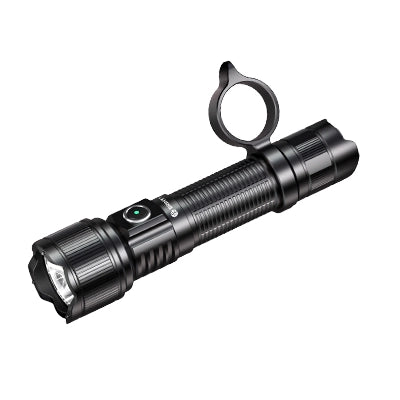
Bill: Pennsylvania House Bill 2648 would remove the prohibition on laser sights for hunting. Currently under committee review. If enacted, green laser devices like the Brinyte XP22 MK3 would become legal for hunting in Pennsylvania.
A study order is not a rejection — it is a placeholder. Massachusetts H1062 wasn't voted down. It was sent for further research, which means the artificial light debate in the Northeast is not over. Hunters should expect reintroduction in 2027.
3. Key Legislative Trends in 2026
| Trend | States Leading | Implication for Hunters |
|---|---|---|
| Predator‑Big Game Tech Split | ID, TN, WV | Thermal/NV increasingly legal for predators but restricted for deer/elk. Hunters need to know species‑specific rules in each state. |
| Explicit Authorization replacing "tolerated" status | TN, WV | States are moving from unwritten tolerance to codified seasons with clear equipment permissions. Reduces legal gray areas for hunters. |
| Vehicle‑Mounted Light Prohibition | All 50 states | Universal rule remains. Handheld, head‑mounted, and weapon‑mounted lights are the only compliant form factors nationwide. |
4. Enforcement Spotlight: Penalties Are Getting Heavier
Beyond legislative changes, 2026 has seen several states increase enforcement visibility and penalty structures for night hunting violations. Pennsylvania's escalating penalty structure (7‑year ban for first spotlighting offense, 15‑year for third) remains the harshest in the nation. Tennessee's new season carries explicit equipment forfeiture provisions for violators. Georgia's minimum fine for night deer hunting sits at $500 plus possible jail.
⚠️ Compliance alert: Several states now treat equipment used in illegal night hunting — including firearms, lights, and vehicles — as subject to civil forfeiture. Crossing a state line with the wrong gear setup is not just a ticket; it can mean losing your equipment permanently.
For complete penalty breakdowns by state, refer to our US Night Hunting Regulations Database.
Equipment forfeiture changes the risk calculation of night hunting. A fine is a cost. Losing your rifle, light, and vehicle is a permanent loss. The trend toward civil asset forfeiture for wildlife violations demands absolute regulatory certainty before every hunt.
5. 2027 Early Warning: Bills on the Horizon
- Mississippi: The "Fair Chase Act" debate continues — proposals to restrict thermal scopes, suppressors, and night‑vision equipment for all hunting could resurface. Hunters should follow Mississippi DWFP Commission meetings closely.
- Michigan: The newly approved expanded coyote season (March–October 2026) will be evaluated for effectiveness; depending on results, further liberalization or restriction could follow in 2027.
- Massachusetts: H1062 remains alive under study order. Expect reintroduction of artificial light legislation in the 2027 session — the Northeast is not done debating this issue.
6. How to Stay Updated on Night Hunting Laws
Legislation changes fast. Here are three ways to stay ahead of the curve:
- Bookmark this page. Brinyte's legislative research team updates this tracker monthly during active state sessions.
- Use bill tracking tools. LegiScan and BillTrack50 let you monitor bills by keyword ("night hunting," "artificial light," "thermal imaging") in your state legislature.
- Subscribe to state agency updates. Most state wildlife agencies offer email alerts for regulation changes. Sign up for the states where you hunt.
❓ Legislative FAQ
Which states changed night hunting laws in 2026?
Tennessee enacted its first formal predator night season; West Virginia codified thermal and any‑color light use; Idaho passed H939 splitting big game and predator tech rules. Massachusetts H1062 (artificial light for coyotes) stalled under study order but remains alive for future reintroduction.
Is thermal imaging legal for night hunting in 2026?
Thermal imaging legality depends on state, species, and land type. Tennessee, Texas, and West Virginia explicitly permit thermal for predators on private land. Idaho permits it for predators but bans it for big game (Aug 30–Dec 31). Wisconsin and Nevada ban thermal for all hunting. Always check your state's current rules before hunting.
How can I track new night hunting bills in my state?
Use LegiScan or BillTrack50 to monitor bills by keyword in your state legislature. Subscribe to your state wildlife agency's email updates. This page is updated monthly during active legislative sessions.
What is the Predator‑Big Game Tech Split?
A legislative approach adopted by Idaho (H939) and other states that permits night vision and thermal imaging for predator hunting (coyotes, wolves, mountain lions) while prohibiting the same technology for big game species like deer and elk. This dual‑track philosophy recognizes that technology restrictions are about fair chase for regulated game, not predator management.
What should I do if I'm hunting across multiple states with different laws?
Configure your gear for the most restrictive state on your route. If you hunt Texas (any light allowed) but cross into Wisconsin (red light recommended, thermal prohibited), your equipment must comply with Wisconsin law when you cross the state line. Never assume reciprocity — night hunting regulations do not transfer between states.
Stay Legal. Stay Informed.
For the complete, state‑by‑state breakdown of night hunting regulations — including light color requirements, species lists, and penalties — consult our comprehensive database.
📖 US Night Hunting Regulations DatabaseAbout This Legislative Tracker
Founded in 2009 — 50+ patents, ISO9001 certified. Brinyte's research team monitors legislation across all 50 states, referencing official state legislature databases, LegiScan, and state wildlife agency publications. All bill numbers and statuses verified as of May 11, 2026.
"Engineered for the mission — proven in the field."
Founded 2009 · 50+ Patents · ISO9001