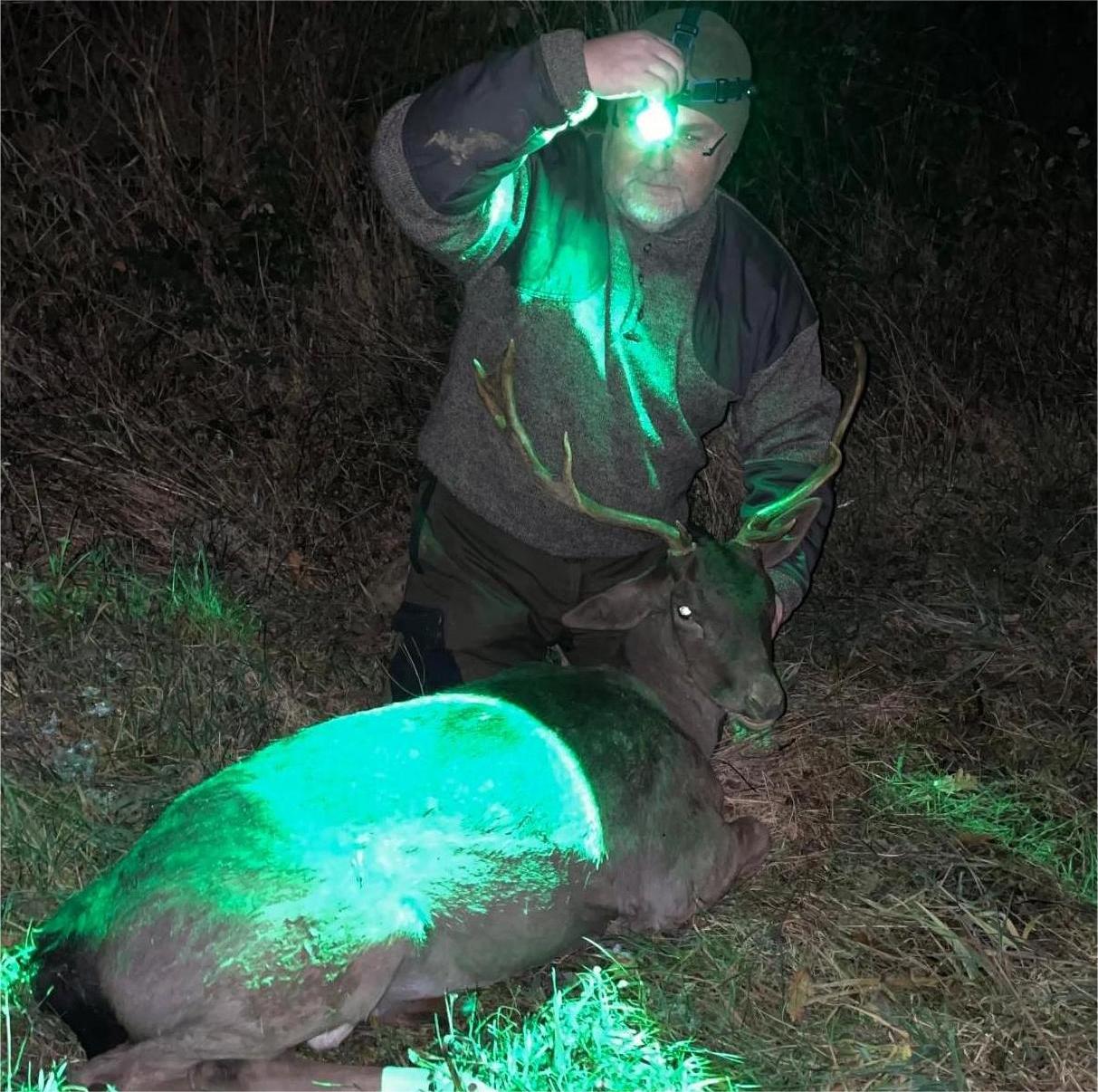


✔ Tactical shooters building a weapon‑light system
✔ Prepared civilians wanting SEAL‑grade gear
✔ Anyone comparing SureFire, Streamlight, and Brinyte
1. What Makes a Flashlight "Tactical"? The 5 Non‑Negotiable Features
Unlike a household flashlight, a tactical light is designed for stress‑induced, one‑handed operation in lethal force scenarios. Here are the five features that separate the real thing from a wannabe:
- Momentary‑Only Tail Switch: Silent, instant turbo without clicking — no mode‑cycling under pressure.
- Strike Bezel (Crenulated Edge): Allows glass breaking or self‑defense without switching tools.
- Weapon‑Mountable Body: Fits Picatinny/M‑LOK adapters; often includes remote pressure switch compatibility.
- Multi‑Fuel Capability: Accepts both rechargeable 18650/21700 lithium‑ion and disposable CR123A lithium batteries (10‑year shelf life).
- High Candela / Throw: 20,000+ cd for target identification at 50+ yards; floody lights are useless outdoors at night.
Navy SEALs prioritize candela over lumens for outdoor patrol rifles. A 1,000‑lumen light with 30,000 candela out‑throws a 2,000‑lumen floodlight. For handgun‑mounted lights, 500–800 lumens with a balanced beam is preferred to avoid blinding backscatter indoors.
2. Why Navy SEALs Carry Tactical Flashlights
SEALs frequently operate in total darkness — clearing buildings, navigating enemy compounds, or conducting maritime insertions. A tactical flashlight provides:
- Positive target identification (PID) before engagement
- Navigation of uneven terrain without NVGs
- Temporary disorientation of threats (strobe or high‑output momentary)
- Emergency signaling to aircraft or teammates
- Last‑ditch striking/defense tool
During low‑light training at the Naval Special Warfare Center, candidates learn to weapon‑mount lights and use "light discipline" — momentary only, no constant‑on that gives away position. The gear they train with is the gear they deploy with.
3. Military‑Grade Specifications (MIL‑STD‑810G)
When a flashlight is labeled "military‑grade," it must pass specific tests defined in MIL‑STD‑810G. Here's what that actually means:
| Test | Requirement | Why It Matters |
|---|---|---|
| Drop Test | 1.2 meters onto concrete, 26 times | Survives rifle recoil and being dropped during patrol |
| Vibration | 5–500 Hz across multiple axes | No loosening after hundreds of rounds on a rifle |
| Waterproof | IPX7 (1m submersion) minimum; IP68 preferred | Operates in rain, stream crossings, maritime ops |
| Temperature | -20°C to +60°C operation | Works in arctic cold or desert heat |
All three brands discussed below — SureFire, Streamlight, Brinyte — build lights that meet or exceed these standards. The difference is price, feature set, and supply chain.
4. What SEALs Actually Carry: SureFire & Streamlight Fielded Models
Public procurement records, equipment photos from DoD releases, and accounts from retired operators show consistent models in use:
| Model | Type | Output | Candela | Key Feature | MSRP |
|---|---|---|---|---|---|
| SureFire M600U Scout Light | Rifle‑mounted | 1000 lm | 11,300 cd | MIL‑STD‑810G, remote switch ready | ~$329 |
| SureFire X300 Ultra | Pistol‑mounted | 1000 lm | 11,300 cd | Ambidextrous switch, quick detach | ~$299 |
| Streamlight TLR‑1 HL | Pistol/Rifle | 1000 lm | 20,000 cd | Rail clamp, strobe mode | ~$169 |
| Streamlight ProTac HL-X | Handheld/Rifle | 1000 lm | 27,100 cd | Multi‑fuel (CR123A/18650) | ~$110 |
Sources: Publicly available DoD equipment photos, SureFire/Streamlight press releases, and retired SOF equipment lists (2019‑2025).
The SureFire M600U has been the most commonly photographed rifle light on SEAL weapons since ~2015. Newer variants like the M640DF (1,500 lumens / 16,000 cd) are appearing, but the 1,000‑lumen version remains the standard.
So if these are the lights you'd find on a SEAL's rifle, what does that mean for the rest of us? Active‑duty procurement follows supply chains, contracts, and established vendor relationships that don't always reflect what's available on the civilian market. The specifications that matter — MIL‑STD‑810G durability, high candela for outdoor PID, and reliable momentary activation — are not exclusive to any one brand. Brinyte builds to these same specifications, targeting law enforcement and civilian users who want the performance without the defense‑contract price tag. The next section shows how their lineup stacks up against the SEAL standard.
The standard U.S. military issue flashlight is the MX-991/U (L-shaped angle-head design), still in service for general use. For special operations units including Navy SEALs, this is supplemented by commercial-off-the-shelf (COTS) procurement — primarily SureFire and Streamlight models selected for their MIL-STD-810G compliance and combat-proven reliability. The MX-991/U remains field-issued; the COTS lights are operator-selected for mission-specific configurations.
5. Brinyte Tactical Lineup — Built to the Same MIL‑STD‑810G Standards
Brinyte designs its tactical series to meet the identical durability and performance standards that define SEAL‑grade equipment. While Brinyte focuses on civilian, law enforcement, and international markets rather than U.S. defense procurement, the engineering is the same: 6061‑T6 aluminum construction, IP68 waterproofing, and USB‑C rechargeable batteries with backup CR123A compatibility.
Why Brinyte stands out: Many lights in the $80–150 range compromise on candela or use polymer bodies. Brinyte delivers verified high candela ratings, dual‑switch momentary activation, and modern charging — features that previously required a $300+ investment.
| Model | Max Lumens | Beam Distance | Candela | Key Feature | MSRP |
|---|---|---|---|---|---|
| Brinyte PT16A | 3000 lm | 458+m | 52,500 cd | Dual tail switch, USB‑C, 21700 5000mAh | ~$99 |
| Brinyte XP22 MK3 | 1300 lm | 260m | 16,900 cd | Magnetic charging, green guide light, Picatinny/M‑LOK | ~$119 |
Each of these lights features:
- Momentary‑on tail switch with direct turbo access
- IP68 waterproof (2m submersion, 30 min) or IP66 dust/water protection
- 1.5m drop resistance (tested to MIL‑STD‑810G standards)
- Compatible with remote pressure switches
- Rechargeable battery with USB‑C or magnetic charging

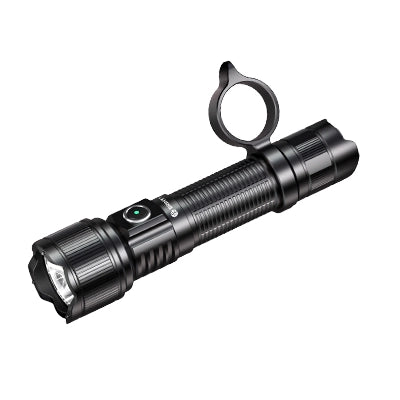
🔦 Brinyte PT16A — 3000 Lumens Tactical Flashlight
52,500 cd beam intensity, 3000 lumens, USB‑C charging. The tactical light built to MIL‑STD‑810G for professionals and prepared civilians.
Shop PT16A🔦 Brinyte XP22 MK3 — Dedicated Rifle Light
Green laser + white light, 14.55mm low profile, magnetic charging. Purpose‑built for rifle mounting with Picatinny/M‑LOK compatibility.
Shop XP22 MK36. 2026 Tactical Flashlight Comparison: SureFire vs Streamlight vs Brinyte
| Model | Type | Lumens | Candela | Battery | Price (MSRP) |
|---|---|---|---|---|---|
| SureFire M600U | Rifle | 1000 | 11,300 | 2×CR123A | $329 |
| Streamlight ProTac HL-X | Handheld/Rifle | 1000 | 27,100 | 2×CR123A / 18650 | $110 |
| Brinyte PT16A | Handheld/Rifle | 3000 | 52,500 | 1×21700 (USB‑C) | $99 |
| Brinyte XP22 MK3 | Rifle‑dedicated | 1300 | 16,900 | Built‑in Li‑Po (magnetic) | $119 |
*Specifications are manufacturer rated. Real‑world output may vary.
SureFire's M600U prioritizes extreme durability, a combat‑proven track record spanning over a decade of active deployment, and a proprietary supply chain that serves DoD contracts. It carries a lifetime warranty. Brinyte's PT16A is built to the same MIL‑STD‑810G durability standard but optimizes for civilian and law enforcement users — offering higher output, USB‑C rechargeability, and a lower price point by not maintaining a defense‑contract supply chain. Both lights meet the military durability threshold. The choice depends on your operational requirements and your budget.
Tactical Flashlight Scams to Avoid (Seen on Social Media)
If you've seen ads for flashlights with names like VitalTac, Osmo LiteForce, or SkyFire claiming "military-grade" or "10,000 lumens for $19.99," treat them with extreme skepticism. These are typically dropshipped products with inflated claims, no ANSI FL1 testing, and customer service that disappears after purchase. The telltale signs:
- No ANSI FL1 lumen specification (only "peak" or "max" lumens)
- No candela figure listed at all
- No independent third-party reviews from BudgetLightForum, ZeroAir, or 1Lumen
- Prices under $30 for claimed 2000+ lumens
- Identical product sold under 5+ brand names
7. How Many Lumens for Tactical Use? (Lumens vs Candela Explained)
Lumen rating alone tells you very little. A 2,000‑lumen floodlight may only throw 100 meters because its candela is low. For tactical use, candela (beam intensity) determines how far you can identify a threat.
| Scenario | Recommended Candela | Recommended Lumens | Why |
|---|---|---|---|
| Indoor CQB / Home Defense | 10,000–20,000 cd | 200–800 lm | Enough to disorient without wall‑bounce blinding you |
| Outdoor Patrol (50–100 yards) | 20,000–30,000 cd | 800–1500 lm | PID at distance; still usable indoors with low mode |
| Rural / Large Property (150+ yards) | 30,000+ cd | 1500+ lm | Need throw to scan fields and identify threats at range |
| Signaling / Strobe | Any high output | 1000–3000 lm | Maximizes visibility for rescue or disorientation |
Calculation: Throw distance (meters) = √(candela × 4). Example: 52,500 cd → √210,000 = ~458 meters. Don't buy a light over 2,000 lumens unless it also has at least 25,000 candela — otherwise it's just a bright, short‑range floodlight.
8. How Tactical Professionals Carry Their Flashlights
- Weapon‑mounted: SureFire M600 on a rifle, Streamlight TLR‑1 on a pistol — always backed up by a handheld.
- Handheld carry: Overhand "icepick" grip (thumb on tail switch) allowing strike bezel orientation forward. Many use ring mounts on molle vests or belt pouches with quick‑release.
- Admin lights: Small single‑AA or 16340 lights for map reading or non‑tactical tasks, avoiding white light discipline.
Final Verdict: Should You Buy a SEAL‑Grade Flashlight?
Absolutely — but the right light depends on your mission, not someone else's procurement contract. SureFire and Streamlight are field‑proven and backed by decades of combat heritage. They will never let you down, and they carry lifetime warranties. Brinyte builds lights to the same MIL‑STD‑810G standards — with higher output, modern USB‑C and magnetic charging, and verified build quality — at a significantly lower price point.
For civilians, law enforcement officers, or preparedness enthusiasts, the Brinyte PT16A (handheld/rifle) and XP22 MK3 (dedicated rifle) deliver every tactical feature required: momentary switch, high candela for positive identification at distance, and remote switch compatibility — without the defense‑contract markup.
Ready to Equip Yourself Like a Professional?
Browse Brinyte's military‑grade tactical collection — built to the same MIL‑STD‑810G standards as the lights used by SEALs, engineered for the rest of us.
🔎 Shop Tactical Flashlights →About Brinyte
Brinyte was founded in 2009. Since then, we have specialized in tactical and outdoor lighting. Our products are developed with input from military and law enforcement professionals, field‑tested to MIL‑STD‑810G, and trusted by users worldwide. Brinyte holds 50+ patents and ISO9001 certification.
"Engineered for the mission — proven in the field."
Founded 2009 · 50+ Patents · ISO9001
❓ Frequently Asked Questions
What flashlights do Navy SEALs actually use?
Navy SEALs most commonly use the SureFire M600U Scout Light (1,000 lumens, 11,300 cd) on rifles and the Streamlight TLR‑1 HL (1,000 lumens, 20,000 cd) on pistols. These are chosen for MIL‑STD‑810G durability, proven combat track records, and established DoD supply chains.
What makes a flashlight "tactical" vs regular?
Tactical flashlights feature momentary‑only tail switches, strike bezels, weapon‑mountable bodies, multi‑fuel capability (18650/21700 + CR123A), and high candela (20,000+ cd) for target identification at distance. Regular flashlights are not designed for one‑handed use under stress and lack these specific features.
Are Brinyte flashlights as good as SureFire?
Both are built to MIL‑STD‑810G standards — 6061‑T6 aluminum, IP68 waterproofing, and 1.5m drop resistance. SureFire has a longer combat track record and a lifetime warranty; Brinyte offers higher output (3,000 lumens / 52,500 cd vs 1,000 lumens / 11,300 cd) with modern USB‑C charging at roughly one‑third the price. Independent reviewers consistently rate Brinyte's build quality as "top‑notch." The right choice depends on your budget, your mission profile, and whether you need a lifetime warranty or prefer modern features at a lower cost.
Can I mount a Brinyte flashlight on my rifle?
Yes. The PT16A's Tactical Kit includes a Picatinny mount and remote pressure switch for rifle mounting. The XP22 MK3 is specifically designed as a dedicated rifle light with ultra‑low profile (14.55mm) and magnetic charging.
What battery do military flashlights use?
Most military‑grade tactical lights use rechargeable 18650 or 21700 lithium‑ion cells with backup compatibility for disposable CR123A lithium batteries. CR123As have a 10‑year shelf life and perform in extreme cold down to -40°C.
How many lumens for home defense?
For indoor home defense, 200–800 lumens is ideal. Higher lumens (1,500+) in a small room create blinding backscatter off white walls. Look for a light with a momentary‑only tail switch and a low/high mode.
What is MIL‑STD‑810G?
MIL‑STD‑810G is a U.S. military standard for environmental durability. For flashlights, it includes drop tests (1.2m onto concrete, 26 times), vibration (5–500 Hz across axes), waterproofing (IPX7/IP68), and extreme temperature operation (-20°C to +60°C). Any light labeled "military‑grade" should meet these specifications.
📚 References & Further Reading
- SureFire M600U Spec Sheet — surefire.com
- Streamlight TLR-1 HL — streamlight.com
- Brinyte PT16A Review — 1Lumen.com
- CandlePowerForums XP22 Review — CandlePowerForums