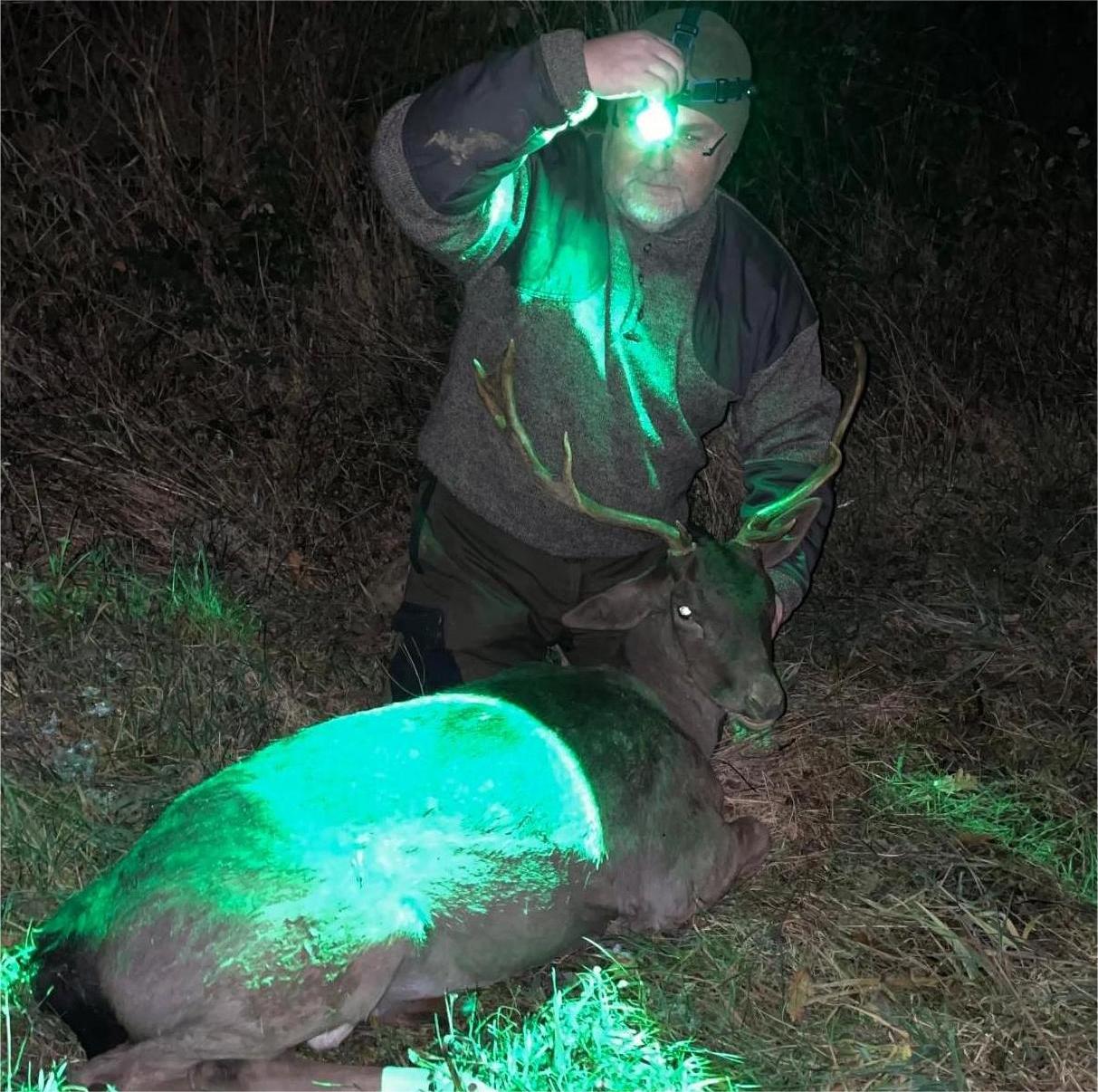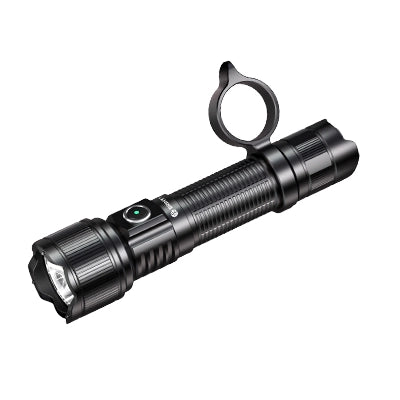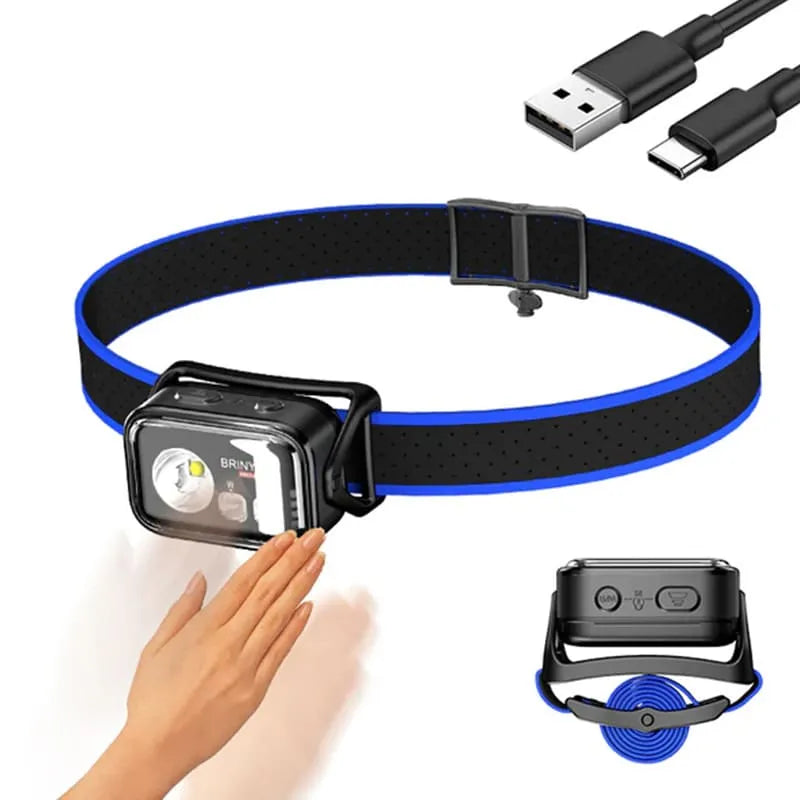


The best flashlight for power outage isn't the brightest—it's the one that stays on longest when you can't recharge. The Brinyte PT16A runs 300 hours on a single charge in low mode (5 lumens)—nearly two weeks of continuous light. Pair it with a zoomable ZT40 for property scanning and a pocket PT16 for instant response, and you have a 3-layer emergency lighting system that covers every blackout scenario. Most importantly: all three share the same 21700 battery and USB‑C charging—one spare cell powers everything.
✔ Anyone who has experienced a multi‑day power outage
✔ Preppers and survivalists
✔ Families living in regions prone to winter storms, hurricanes, or wildfires
1. The Reality of 2026 Power Outages: Why Your Light Must Do Three Things

In January 2026, Winter Storm Fern left 823,000+ Americans without power — some for days. Ice snapped power poles, wind chills plunged to -40°F, and thousands discovered too late that their emergency flashlights couldn't handle the cold or last more than an hour. By April, another ice storm knocked out 25,000+ homes in Wisconsin. According to the U.S. Energy Information Administration, average annual outage duration hit 11 hours in 2025 — the worst in a decade.
These events expose a hard truth: most people choose emergency lights based on brightness alone. But during a multi‑day blackout, three standards matter far more than lumens:
- Ultra‑long runtime (100+ hours). If you can't recharge, your light must still work on day four. Most "emergency" flashlights recommended by competitor guides last 4–20 hours. The Brinyte PT16A runs 300 hours — a 15× difference.
- Off‑grid charging capability. When the grid is down for a week, proprietary chargers become paperweights. Standard USB‑C on 21700 batteries lets you recharge from solar panels, power banks, or your car.
- Waterproof and impact‑proof construction. Blackouts often come with storms — rain, snow, flooding. IP68 waterproofing and 1‑meter drop resistance aren't luxuries; they're insurance against the very conditions that caused the outage.
Lumens get you through the first hour. Runtime gets you through the first week. During a prolonged blackout, the flashlight still glowing on day four — not the brightest one — is the best you ever bought.
2. The 3‑Layer Defense: A Complete Power Outage Lighting System
Most "best flashlight for power outage" guides give you a product list. We're taking a different approach: a layered system where each light serves a specific role. When the power fails, you don't need one perfect flashlight—you need a chain of lights that work together.
| Layer | Light | Role | Key Feature |
|---|---|---|---|
| Layer 1 — Pocket EDC | PT16 | The light that's ALWAYS on you. Instant response at 2 AM. | 2000 lm · 92,500 cd · 608m · 31h low |
| Layer 2 — Home Primary | PT16A | Sustained illumination for days. The endurance anchor. | 3000 lm · 300h low · IP68 · USB‑C |
| Layer 3 — Property Scanner | ZT40 | Adjustable beam for yard, fence, and hazard scanning. | 1650 lm · 6°–70° zoom · 490m · IPX8 |
All three lights use the same 21700 battery with USB‑C charging. One spare battery backs up every light in your system. During a prolonged outage, you can rotate cells between lights — the PT16A sips power on low mode for room illumination, while keeping a charged cell ready in the PT16 for high‑output scanning. This interoperability is a critical advantage that single‑flashlight recommendations completely miss.
3. Brinyte Emergency Lighting Lineup — Built for When It Matters
Brinyte designs lighting tools for professionals who demand reliability — law enforcement, military, hunters, and emergency responders. Independent reviewer 1Lumen describes the PT16A's build quality as "top notch" – machining, anodizing, threads, and switch feel all feel "very premium"[1].
🔦 Layer 1 — Brinyte PT16: The Light That's ALWAYS on You

When the power fails at 2 AM, your emergency kit is useless if you can't reach it. The Brinyte PT16 is your always‑with‑you backup — on your belt, in your pocket, on your nightstand. No fumbling through dark hallways to find the emergency bin.
- Hour 0 of blackout: You wake to darkness. PT16 is on your nightstand. One press — 2000 lumens flood the room. You can see everything.
- Hour 0–1: You walk to the porch. 92,500 candela / 608m throw scans the entire street. You know immediately if it's just your house or the whole block.
- Hour 1–31+: Switch to 10‑lumen low mode. Enough light to navigate, read, or use as a nightlight — for 31 continuous hours.
Without this layer: You're using your phone's flashlight — draining the battery you need for emergency calls, unable to see past 15 feet, fumbling in the dark for supplies.
Shop PT16 →🔦 Layer 2 — Brinyte PT16A: The Endurance Champion (Home Primary Light)

This is the light that answers the core question behind every "best flashlight for power outage" search: how long can it stay on when I can't recharge? The Brinyte PT16A runs 300 hours on its 5‑lumen low mode — nearly two weeks of continuous light from a single charge. For context: most "emergency" flashlights recommended by competitor guides last 4–20 hours. This is a 15× difference.
- Day 1–3 of blackout: 5‑lumen low mode runs continuously as a room light — enough to read, navigate, and maintain normalcy.
- When you need more: 900‑lumen High mode (3h50m) for active tasks — cooking, repairs, checking on family members. 3000‑lumen Turbo for full‑property scanning.
- Day 4–14: Still running. If you have a spare 21700 battery and a small solar panel, you can rotate cells indefinitely.
Without this layer: By night two, your cheap emergency light is dead. You're burning candles or sitting in darkness, waiting for the power company.
Shop PT16A →🔦 Layer 3 — Brinyte ZT40: The Zoomable All‑Rounder (Property Scanner)

When you need to check if a tree has fallen on your fence or if floodwater is rising at the edge of your property, a fixed‑beam light forces you to walk right up to the hazard. The Brinyte ZT40 solves this with a 6°–70° zoomable beam — scan the whole yard in flood, then twist to spotlight to inspect fence posts at 200 meters.
- 70° flood: Illuminate your entire backyard from the porch. See fallen branches, flooding, or potential hazards without walking into them.
- 6° spot (490m throw): Pinpoint the exact location of a downed power line or check a distant outbuilding — from a safe distance.
- IPX8 waterproof (2 meters): Rain, snow, or accidental drops into standing water won't kill this light. The hidden USB‑C port stays protected even in wet conditions.
Without this layer: You're using your primary light to scan — wasting its battery on tasks a zoomable light handles more efficiently. Or worse, you're walking out into hazardous conditions because your light can't reach far enough.
Shop ZT40 →| Model | Max Lumens | Throw | Low Mode Runtime | Waterproof | Best Use |
|---|---|---|---|---|---|
| PT16A | 3000 lm (Turbo) | 458m | 300h (5 lm) | IP68 | Home primary |
| ZT40 | 1650 lm | 490m | 5h 20min (500 lm) | IPX8 | Yard / property scanning |
| PT16 | 2000 lm | 608m | 31h (10 lm) | IP68 | EDC / always with you |
4. Off‑Grid Charging Strategy: How to Keep Running When the Grid Is Down
Finding the best flashlight for power outage means finding a light you can keep running indefinitely without grid power. A flashlight that dies after 20 hours — no matter how bright — is useless on day three of a blackout. Here's how to build a rechargeable flashlight system for blackouts that never runs out.
| Battery Type | Capacity | Rechargeable | Shelf Life | Best Use |
|---|---|---|---|---|
| 21700 Li‑ion (Brinyte) | 5000 mAh | ✅ USB‑C | 2‑3 years | Home primary, EDC, vehicle |
| 18650 Li‑ion | 2500‑3500 mAh | ⚠️ External charger | 2‑3 years | Budget/compact lights |
| CR123A Primary | ~1500 mAh per cell | ❌ Single use | 10+ years | Vehicle kits, extreme cold |
| AA Alkaline | ~2500 mAh | ❌ Single use | 5‑7 years | Low‑demand devices (radio) |
All three Brinyte emergency lights use the same 21700 battery format with USB‑C charging. One spare battery backs up every light in your system. In a prolonged outage, you can rotate batteries between lights — the PT16A sips power on low mode, while the PT16 stays ready for high‑output tasks. A 10W solar panel can charge a depleted 21700 cell in approximately 3–4 hours of direct sunlight, giving you a fully renewable lighting system that can run indefinitely.
5. Building a Redundant Emergency Lighting System
- Choose a primary high‑runtime light: The cornerstone of your emergency flashlight for power outages should deliver 100+ hours of runtime on its lowest usable mode. The Brinyte PT16A provides 300 hours on its 5‑lumen low mode — enough for nearly two weeks of continuous light on a single charge. This is the light that stays on all night, every night, until power returns.
- Add a secondary zoomable light: A zoomable flashlight like the ZT40 bridges the gap between close‑up tasks and long‑distance scanning. Its 6°–70° beam adjustment covers everything from reading a map to scanning a darkened street for hazards — without wasting your primary light's battery.
- Carry a compact EDC backup: When the power fails at 2 AM, your emergency kit might not be within reach. A pocket‑sized power outage flashlight like the PT16 stays on you at all times — 2000 lumens, 92,500 cd, and 31 hours of low‑mode runtime.
- Unify your battery platform: All three lights — PT16A, ZT40, and PT16 — use standard 21700 batteries with USB‑C charging. One spare cell can power any of them, and a single solar panel or power bank can recharge them all. This interchangeable battery system eliminates the need for multiple battery types when every gram and cubic inch counts.
- Store spare cells and charging gear: Keep at least one extra charged 21700 battery in your emergency kit. Add a small USB power bank or portable solar panel for indefinite off‑grid recharging. Test your gear quarterly — replace batteries showing reduced capacity.
Q: Can I really survive a week-long blackout with just flashlights?
A: Yes — if your system is layered. A PT16A on low mode handles room illumination for days. A ZT40 lets you scan the property without leaving the house. A PT16 stays in your pocket for instant response. Add a solar panel and a spare 21700 cell, and you have light for as long as the outage lasts. The key is not one perfect light — it's three lights that share one battery platform.
Ready to Build Your Emergency Lighting Defense?
Don't wait for the lights to go out. Shop Brinyte PT16A, ZT40, and PT16 — professional‑grade emergency lights built for when it matters most.
🔦 Shop Emergency Lights →❓ Frequently Asked Questions
What is the best flashlight for a multi‑day power outage?
For multi‑day outages, the best flashlight for power outage is one with extreme runtime. The Brinyte PT16A runs 300 hours on low mode — nearly two weeks of continuous light from one charge. Pair it with a spare 21700 battery and a small solar panel, and you have a fully renewable emergency flashlight for power outages that can run indefinitely.
How long will a rechargeable flashlight last in a blackout?
It depends on the mode. The Brinyte PT16A on 5‑lumen low mode lasts 300 hours. On 900‑lumen High, it runs 3 hours 50 minutes. The PT16 on 10‑lumen low runs 31 hours. The ZT40 on 500‑lumen mid runs 5 hours 20 minutes. For maximum endurance, use the lowest brightness that meets your needs — and keep a spare 21700 battery charged for rotation.
Flashlight vs lantern: which is better for power outages?
You need both in a complete power outage lighting system. A lantern provides 360° room illumination for family activities. A flashlight for home power failure gives you directed, long‑range light for scanning hazards, checking fuse boxes, or signaling. Our recommendation: use the PT16A on low mode as your room light, the ZT40 for property scanning, and a dedicated lantern for group activities. The three tools complement each other — not compete.
Are 21700 batteries better than AA for emergency flashlights?
Yes. 21700 rechargeable batteries offer 5000mAh capacity — roughly 5‑10× the energy of a standard AA. They also feature USB‑C charging, eliminating the need to store disposable batteries that can leak or degrade. For home emergency kits, a 21700 light is the superior choice.
Why should I avoid cheap flashlights in my emergency kit?
Cheap flashlights often fail when you need them most — weak beams, short battery life, and unreliable switches. During the January 2026 winter storm, thousands of households discovered that their discount lights couldn't handle sub‑freezing temperatures or provide usable light for more than an hour. A professional‑grade emergency light is an insurance policy, not a luxury.
Can I charge Brinyte flashlights from a power bank or solar panel?
Yes. All Brinyte emergency lights feature USB‑C charging on the battery itself. You can recharge from any USB power source — power banks, vehicle USB ports, laptop, or small solar panels. This off‑grid charging capability is essential for extended outages.
About Brinyte
Founded in 2009, Brinyte designs tactical and outdoor lighting for professionals who demand reliability when it matters most. Our products are field‑tested, built to exacting specifications, and trusted by hunters, law enforcement, and emergency preparedness experts. Brinyte holds 50+ patents and ISO9001 certification.
👉 About Brinyte | About the Author | Emergency Lights | All Guides
🔍 Fact‑Checking Policy: All power outage data sourced from PowerOutage.us, NOAA, EIA (U.S. Energy Information Administration), and news reports from January–April 2026. Product specifications based on published manufacturer data and independent reviews including 1Lumen.
"Engineered for the mission — proven in the field."
Founded 2009 · 50+ Patents · ISO9001