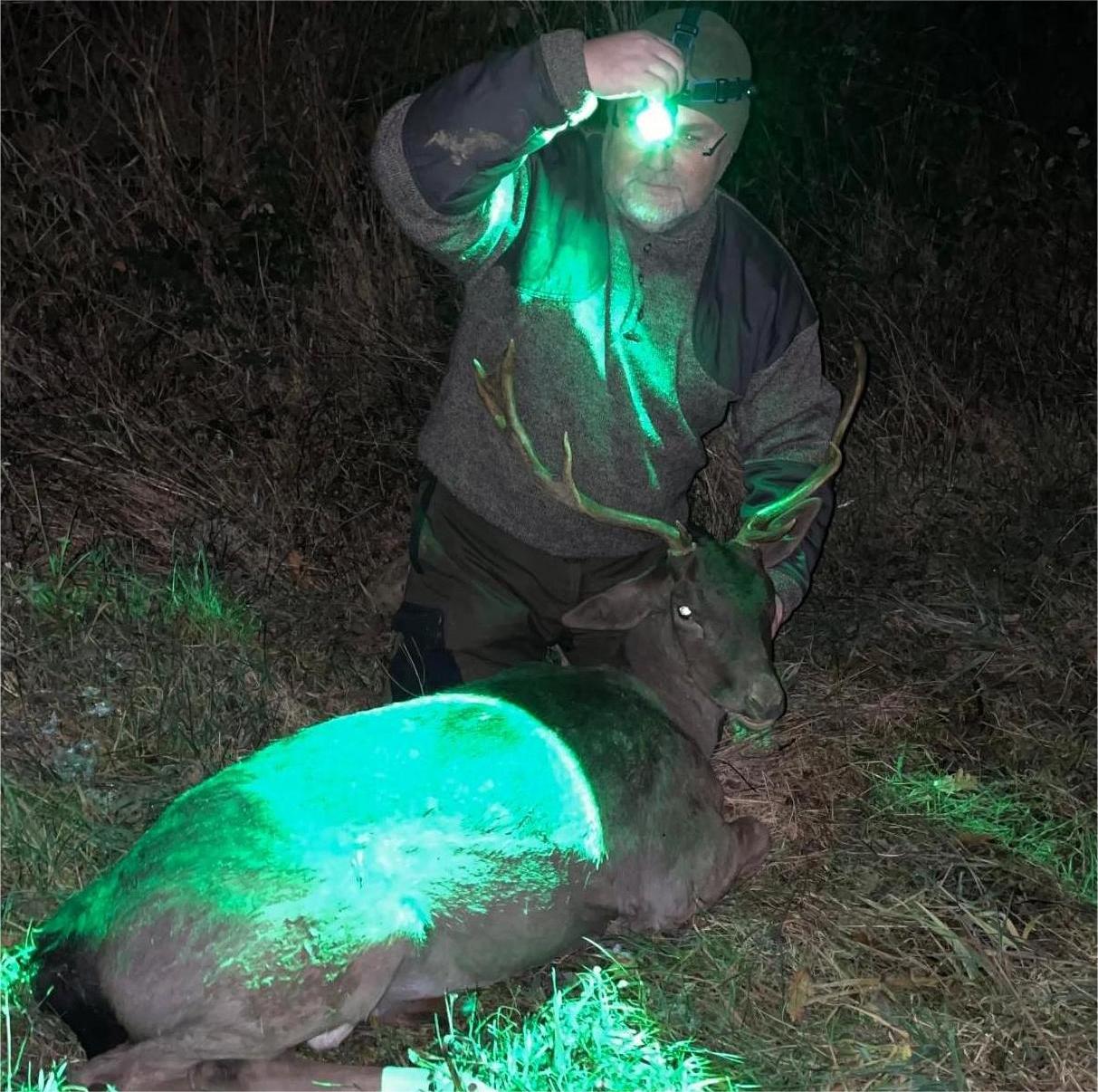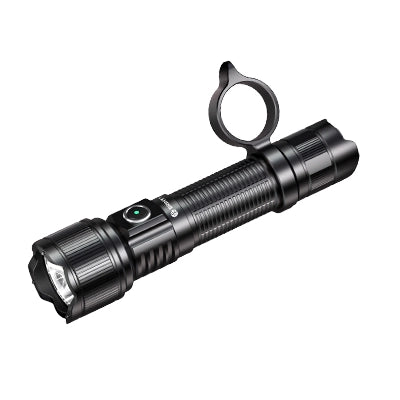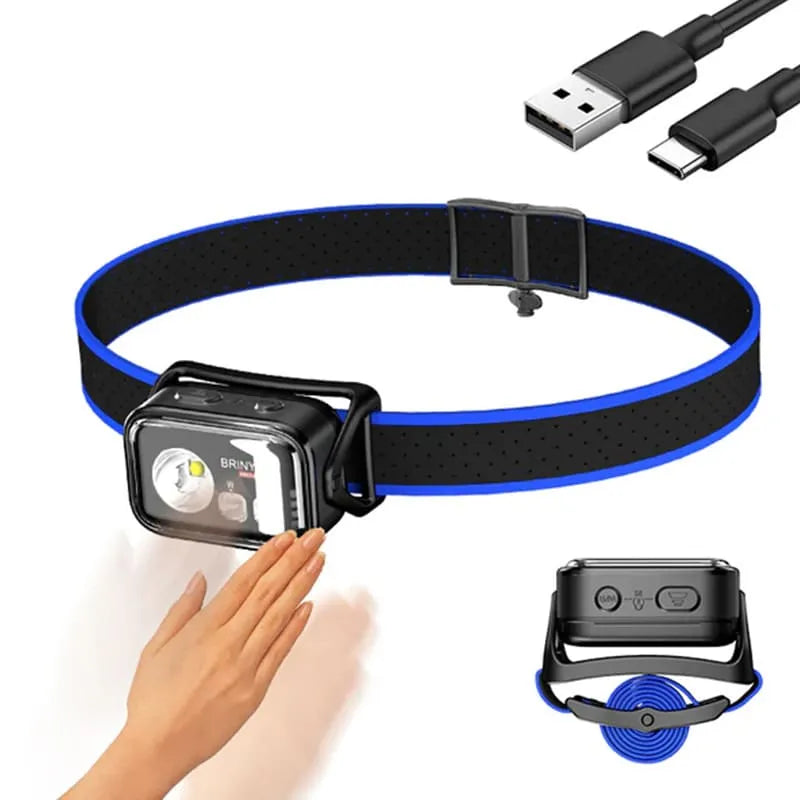


The Brinyte PT16A delivers 52,500 candela (458m throw) vs Fenix PD36R Pro's ~20,000 candela (380m throw) — PT16A punches much farther. But Fenix offers a wider flood beam, smoother thermal management, and a 5-year warranty. Your choice comes down to: need extreme reach and a dedicated instant‑strobe button? Get PT16A. Want balanced spill and brand peace of mind? Get PD36R Pro.
🎯 1. Beam Performance – Candela is the real king
Both lights achieve around 3000 lumens, but candela (beam intensity) determines how far you can identify a target. The PT16A uses a deep‑reflector SFT70 LED to produce 52,500 cd – a true high candela duty light. The Fenix PD36R Pro produces approximately 20,000 cd (official spec ~30,000 cd, independent tests show ~20,000–25,000 cd).
At 300 feet (≈90 meters), 20,000 cd can positively identify a person, but 52,500 cd reveals clothing details, weapon in hand, and facial features at the same distance. For patrol use across parking lots, fields, or warehouses, the PT16A gives you a decisive identification advantage.
| Parameter | Brinyte PT16A | Fenix PD36R Pro | Winner |
|---|---|---|---|
| Max Lumens | 3000 | 2800–3000 | Tie |
| Peak Candela (cd) | 52,500 cd | ~20,000–25,000 cd (archived Mar 2025) | PT16A |
| Beam Distance (ANSI) | 458m | ~380m | PT16A |
| Beam Pattern | Tight, intense hotspot with usable spill | Wider flood, softer transition | Depends on mission |
Verdict: For long‑range identification, the PT16A wins. For close‑quarter area coverage, the PD36R Pro’s wider beam is more comfortable.
⚙️ 2. Tail Switch Layout – Instant strobe vs traditional dual button
Under high stress, fine motor skills degrade. The best tactical flashlight switch is the one your thumb finds blindly, every time.
🔴 Brinyte PT16A – Asymmetric "slap" strobe
- Left button: momentary/constant + mode memory
- Right button: large, sloped dedicated strobe – you can hit it with the side of your thumb without moving your grip
- Works with thick gloves; zero confusion between strobe and on/off
- Drawback: no tail‑stand capability
🔵 Fenix PD36R Pro – Flat dual‑button
- Large main switch (tactical on), small metal secondary switch (strobe / mode)
- Both switches on same plane – requires slight thumb lift to differentiate
- With gloves, the small secondary switch can be missed under stress
- Advantage: very crisp tactile feedback, but slower to locate strobe
Verdict: PT16A’s dedicated sloped strobe button is superior for high‑stress, glove‑on situations. Fenix layout is fine for daily use but slower for emergency strobe access.
🔋 3. Charging & Battery – Hidden USB‑C vs removable convenience
Both use 21700 cells (5000mAh PT16A, 5000mAh PD36R Pro). Charging approach differs:
- PT16A: Hidden USB‑C port in the body (no rubber flap) – IP68 sealed. Plus the battery itself also has a USB‑C port, giving you two ways to charge. You can also swap in any standard 21700 cell.
- PD36R Pro: USB‑C port under a threaded collar (more durable but slower to access). Battery is Fenix‑branded but standard 21700; however, the light lacks onboard charging if you use third‑party cells.
Both have pros: PT16A offers faster, tool‑free charging access; PD36R Pro’s threaded cover is tougher against debris but adds an extra step.
🛡️ 4. Warranty & Build – Fenix’s long‑term confidence vs Brinyte’s value
Fenix offers a 5‑year free warranty (plus lifetime limited warranty after). Brinyte provides 2 years standard + 3 extra years after online registration – effectively matching Fenix but requiring an extra step. Build quality on both is excellent: IP68, 1‑meter drop, HAIII anodizing.
PT16A street price: ~$109.95. PD36R Pro: ~$119.95. For budget-conscious buyers, the PT16A delivers better performance at a lower price..
If you flip through Fenix's history, you'll see it's a story of breaking traditions and challenging giants from below. Twenty years ago, this brand from Shenzhen, China, didn't rely on any SEO marketing. Instead, with a single‑AA battery L1P flashlight, it dethroned traditional European and American giants on the most demanding CandlePowerForums — building a two‑decade "empire of quality." Interestingly, history repeats itself. The Brinyte PT16A we see today is exactly like Fenix back then. It didn't compete in the red ocean of all‑round lights; instead, it chose a specific niche in tactical duty lighting, using an aggressive 52,500 cd long‑throw beam and an asymmetric large‑area tail switch to challenge the current industry king. It's a frontal challenge from a new‑age "geek."
In summary, Fenix is like a seasoned martial arts master — every move of the PD36R Pro is steady, flawless, representing the ceiling of industry order. Brinyte PT16A, on the other hand, is a rising star wielding a divine weapon, tearing open a gap in the tactical world with stunning candela and perfect blind ergonomics. Brinyte's future doesn't lie in beating Fenix at everything; it lies in holding onto that "geeky purity." If it can excel in hunting and niche tactical segments while closing the warranty gap, then in this era of AI search that increasingly values authentic word‑of‑mouth, it could well become the next "SureFire" that people buy without looking at specs.
🏆 5. Final Verdict: Which one should you buy?
✅ Choose Brinyte PT16A if:
- You need to identify targets at 400+ meters (open fields, parking lots, rural patrol)
- You train with gross‑motor activation and want a dedicated strobe button you can slap blind
- You’re on a budget under $100 and willing to register online for 5‑year warranty
- You like the flexibility of hidden USB‑C + battery‑port charging
✅ Choose Fenix PD36R Pro if:
- You prefer a wider, softer beam that lights up a room edge‑to‑edge
- You want a no‑hassle 5‑year warranty from a globally trusted brand
- You rarely wear heavy gloves or have trained extensively on Fenix’s dual‑button layout
- Budget is flexible up to $140
👉 Check Fenix PD36R Pro → (external)
❓ Frequently Asked Questions
Is the Brinyte PT16A as durable as Fenix?
How does the PT16A’s beam compare in real use?
Can I use standard 21700 batteries in PT16A?
Does PT16A have a step‑down issue like some high‑output lights?
Which light is better for left‑handed shooters?
Brinyte was founded in 2009 by Xuping Feng with a single focus: building lights for people whose lives depend on reliable illumination. With 50+ patents and ISO9001 certification, our products are used by hunters, law enforcement, and outdoor professionals across North America. Every design decision starts with real field feedback.
"Engineered for the mission — proven in the field."
📧 service@brinyte.com · About the author
Limited time offer: free remote pressure switch kit included