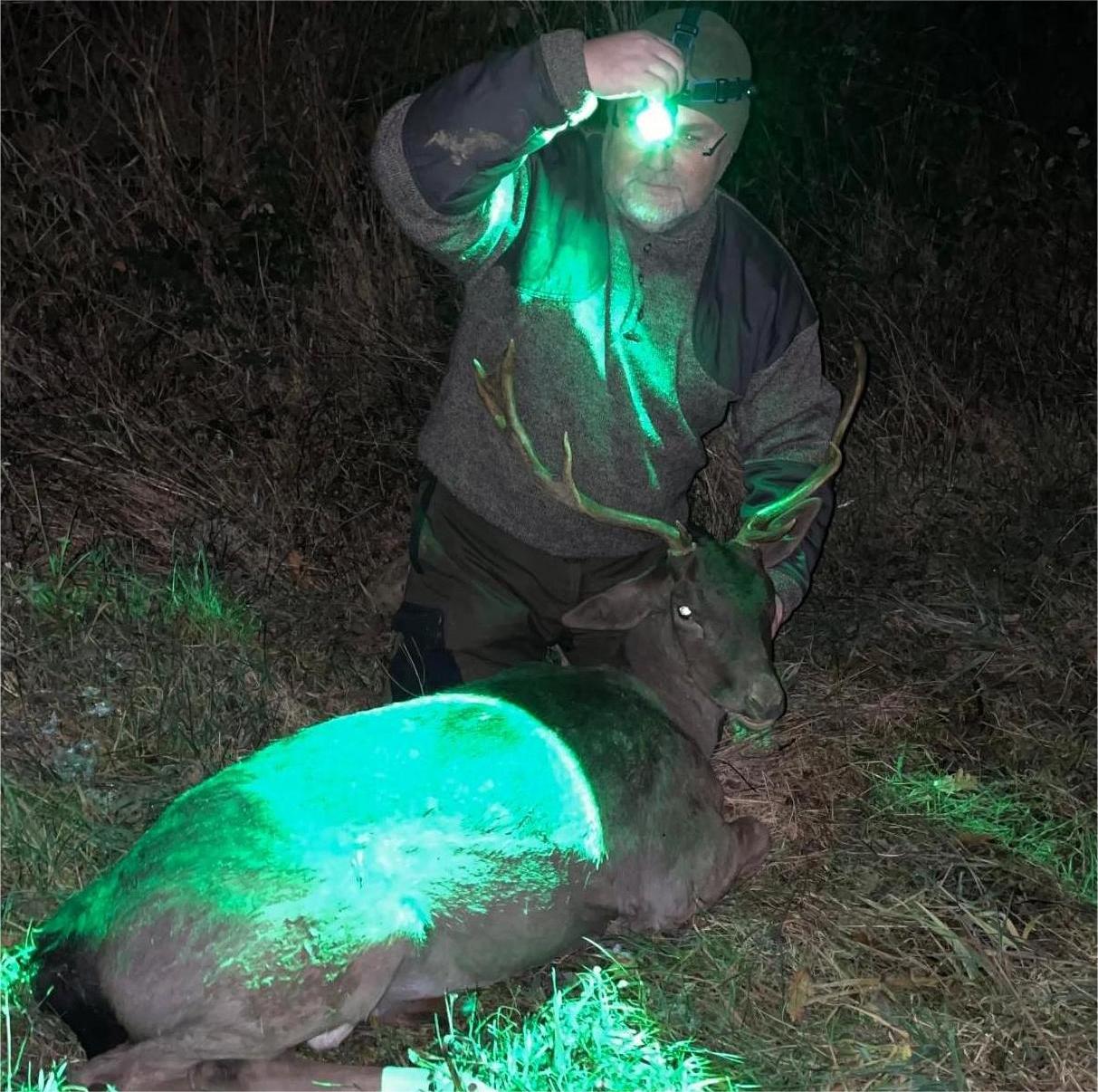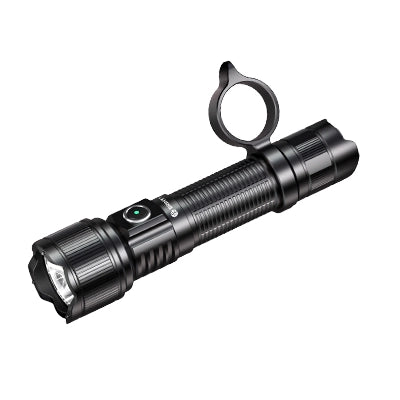


• Self‑defense / tactical patrol: 800–1500 lumens with high candela (focused beam) for momentary blinding.
• Night hunting: 2000+ lumens with long throw (≥300m) to spot game at distance.
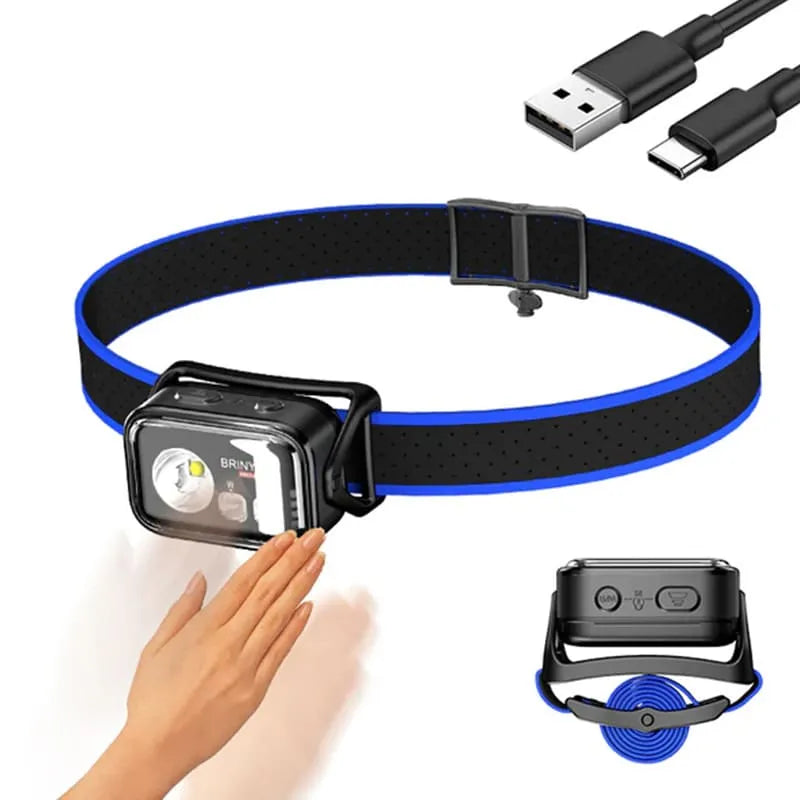
• EDC / everyday carry: 300–1000 lumens with a usable low mode (1–15 lumens).
• General admin / map reading: 15–300 lumens. Scroll down for the full 2026 lumen chart.
As a police officer on night patrol, a hunter tracking game after dark, or an EDC enthusiast who wants the perfect pocket light – you’ve heard the word “lumens” thrown around. But online stores flood you with fake “100,000 lumen” junk lights. Choosing the wrong lumen for your role can cost you: blinding yourself on a map, failing to temporarily disorient a threat, or running out of battery mid‑mission.
In this 2026 guide, we cut the marketing hype. You’ll learn exactly what lumens mean on a flashlight, the critical difference between lumens and candela, and the ideal lumen range for tactical duty, hunting, EDC, and more. Plus, a printable lumen chart and answers to the most asked questions (including self‑defense lumens, best EDC lumens 2026, and how many lumens for night hunting).
🔦 Lumen vs. Candela: The Tactical Truth Most Brands Won't Tell You
First, let’s kill the confusion. Lumens (lm) measure the total amount of visible light emitted. Think of a bare light bulb – it sends light in all directions. Candela (cd) measures the intensity of the beam – how tightly focused that light is. Two lights with the same 1000 lumens can behave completely differently:
- High Candela / Thrower – narrow, intense beam that reaches far (400+ meters). Essential for tactical engagements, hunting, and long‑range identification.
- Low Candela / Flooder – wide, soft beam that illuminates your immediate surroundings. Perfect for campsite tasks, vehicle searches, or interior room clearing.
Why does this matter for cops and hunters? A 1000‑lumen flood light at close range might not disorient a suspect – but a 1000‑lumen tactical light with a high candela (≥20,000cd) will produce a blinding hotspot that temporarily overwhelms vision. Conversely, a hunter needs high candela + high lumens (2,000+ lm) to spot a hog’s eye‑shine at 300 yards. Always look at both numbers, not just lumens.
📊 2026 Professional Lumen Chart: Match Lumens to Your Mission
Use this reference to answer “how many lumens is a good flashlight” for your specific role. Data is based on real‑world field feedback from law enforcement, military, hunters and EDC users.
| Lumen Range | Primary Audience | Real‑World Scenarios (Tactical / Hunting) | Recommended Beam Profile |
|---|---|---|---|
| 15 – 300 lm | EDC enthusiasts, Campers, Vehicle crew | Map reading, admin tasks, navigating inside a dark vehicle, finding dropped gear in a tent | Flood or medium throw; moonlight mode critical |
| 300 – 1,000 lm | Patrol officers, Security guards, Urban hunters | Building searches, compliance checks, close‑quarter illumination, tracking blood trails at short range | Balanced (flood + usable hotspot) |
| 1,000 – 2,500 lm | Law Enforcement, Military, K9 units | Instant tactical blinding (disorienting a suspect), perimeter security, vehicle stops, area denial | High candela (tight hotspot + spill) |
| 2,500+ lm | Night hunters, Search & Rescue, Rural LEO | Piercing heavy fog, spotting game/predators at 300+ yards, open‑field tracking, long‑range identification | Extreme throw (≥500m beam distance) |
🎯 By Mission: Tactical, Hunting & EDC — What Lumens Really Work
Tactical & Law Enforcement
Ideal range: 800–1500 lumens + high candela. The “golden zone” for momentary‑on blinding (tactical strobe optional). 1500 lumens in a focused beam can temporarily disorient a threat without overheating the light in seconds. Look for tail‑switch with instant access to turbo and a strike bezel. Avoid floody lights for duty use.
Night Hunting (Predator / Hog / Coyote)
2000+ lumens and 400+ meters throw. Hunters don't need light scattering 20 feet around them – they need to identify eye shine at distance. High‑output hunting lights also benefit from multi‑color LEDs (red, green, IR) to preserve animal night vision. Brinyte hunting series delivers 2500+ lumens with 600m beam distance.
Everyday Carry (EDC) Enthusiasts
300–1000 lumens with good mode spacing. An ideal EDC light has a 1‑10 lumen moonlight mode (for preserving dark adaptation), a 150‑300 lumen medium (for walking), and a burst 900‑1000 lumen turbo for emergencies. Compact size and pocket clip are mandatory. Best EDC flashlight lumens 2026 sit around 1000 peak with efficient driver.
🔹 Why 1000–1500 Lumens Is the Tactical Sweet Spot (Police & Military)
Many believe “more lumens = better”. That breaks down in real gunfights or patrol. A 3000‑lumen light run on a compact body will often step down (drop in brightness) within 30 seconds due to heat. That’s a liability when you need sustained output. The best tactical flashlight lumens for 2026 range from 1000 to 1500 – enough for temporary blindness, yet the light can hold that level for 5+ minutes. Combined with high candela (≥30,000 cd), you get a true duty‑ready tool. Plus, tactical lights must survive recoil (if mounted on a firearm) and have IP67/68 waterproofing.
🔹 How Many Lumens for Night Hunting? (Field‑Proven Data)
For hog, coyote or predator hunting at night, you need to scan fields 200–400 yards wide. A 1000‑lumen light might illuminate 150 yards – not enough. Experienced hunters prefer 2500+ lumens with a large reflector generating >600 meters of beam distance. Also important: red or green LED options (Brinyte hunting lights provide multi‑color modules) because game animals are less sensitive to those wavelengths. And always choose a light with a remote pressure switch for weapon mounting.
🔹 Best EDC Flashlight Lumens 2026: The Modern EDC Formula
EDC (Everyday Carry) has evolved. Three years ago, 500 lumens was considered “high”. Today, compact 18650 or 21700 lights deliver 1000–1200 honest lumens without overheating quickly. But the magic is in the user interface: one‑hand operation, direct access to moonlight (1‑5 lm) and to turbo (1000 lm). The perfect EDC light also includes a magnetic tail cap for hands‑free use and a deep‑carry clip. The common question “what is a good lumen for a flashlight for self‑defense?” for EDC: 800–1000 lumens, because you might only get 2-3 seconds of activation – that burst must be bright enough to startle and create distance.
❓ Frequently Asked Questions (Lumens for Real‑World Use)
What is a good lumen for a flashlight for self‑defense?
Is 500 lumens bright enough to blind an attacker?
How many lumens for night hunting (deer, hog, coyote)?
Why do professional tactical lights cost more than high‑lumen Amazon lights?
What does lumens mean on a flashlight — simple explanation?
Best EDC flashlight lumens for 2026 pocket carry?
🎯 Final Verdict: Choose Your Light Based on Your Mission, Not Just Lumens
The perfect lumen count doesn’t exist – it’s about matching the light to your environment. A police officer clearing a warehouse needs 1000–1500 lumens with high candela and a strobe. A night hunter needs 2000+ lumens and extreme throw. An EDC user needs a compact 1000‑lumen light with moonlight mode. Brinyte designs professional lights for each category: tactical duty lights (tested for recoil and IP68), hunting lights with multi‑color LEDs and 600m throw, and EDC lights that disappear in your pocket.
Don’t fall for fake “100,000 lumen” marketing. Trust ANSI FL1‑rated lights from a brand that serves law enforcement, military, and hunting professionals.
Equip for Your Mission
Explore Brinyte’s 2026 lineup – built for the people who carry a light when it matters most.
🔦 Tactical & Duty Lights