
Introduction
Choosing the right hunting flashlight is one of the most impactful decisions a hunter can make. Whether you are scanning for game, navigating dense trails, or tracking wounded animals, the performance of your light directly affects safety, accuracy, and overall success in the field.
This guide provides a clear breakdown of what really matters when selecting a hunting flashlight—including lumens, beam patterns, color options, battery types, and practical use-case scenarios—so you can confidently match the right light to your next hunt.
Why a Dedicated Hunting Flashlight Matters
A hunting flashlight is very different from a general-purpose household light. Hunters need a tool that offers:
- Silent or low-click operation
- Color options that reduce animal disturbance
- Stable performance in cold or wet conditions
- Long runtimes for extended night hunts
- Beam control for both scanning and long-range identification
A well-designed hunting light increases your efficiency, protects your night vision, and helps you adapt to fast-changing outdoor environments.

Choosing the Right Lumen Level
More lumens is not always better—especially for hunting.
Here’s a practical breakdown:
| Hunting Situation | Recommended Lumens | Why |
| Walking, general navigation | 200–400 lm | Enough visibility without glare |
| Scanning fields/forest edges | 500–1,000 lm | Balanced throw and flood |
| Long-range spotting | 1,200–2,000+ lm | Needed to identify animals at distance |
| Tracking blood trails | 300–800 lm | Avoid washing out details |
Tip: Flashlights with multiple output levels allow you to adapt quickly as your environment changes.
Beam Patterns: Flood, Spot, or Hybrid?
Beam shape is just as important as brightness.
Flood Beam (Wide Beam)
- Broad area illumination
- Ideal for close-up work, walking, scanning large areas
- Minimizes tunnel vision
Spot Beam (Tight Beam)
- Long-distance throw
- Ideal for identifying animals far away
- Best for open fields or long-range hunts
Hybrid Beam
- Balanced spill + distance
- Works for mixed hunting environments
- Often the best all-around choice for unpredictable terrain
Hunters who frequently change terrain benefit most from adjustable or hybrid beams.
Light Color Options for Hunting
Animals react differently to colors. Choosing the right one can give you a real advantage.
White Light
- Brightest and most versatile
- Ideal for scouting, navigation, long-range ID
Red Light
- Preserves night vision
- Least likely to spook wildlife
- Popular for turkey, hog, predator hunting
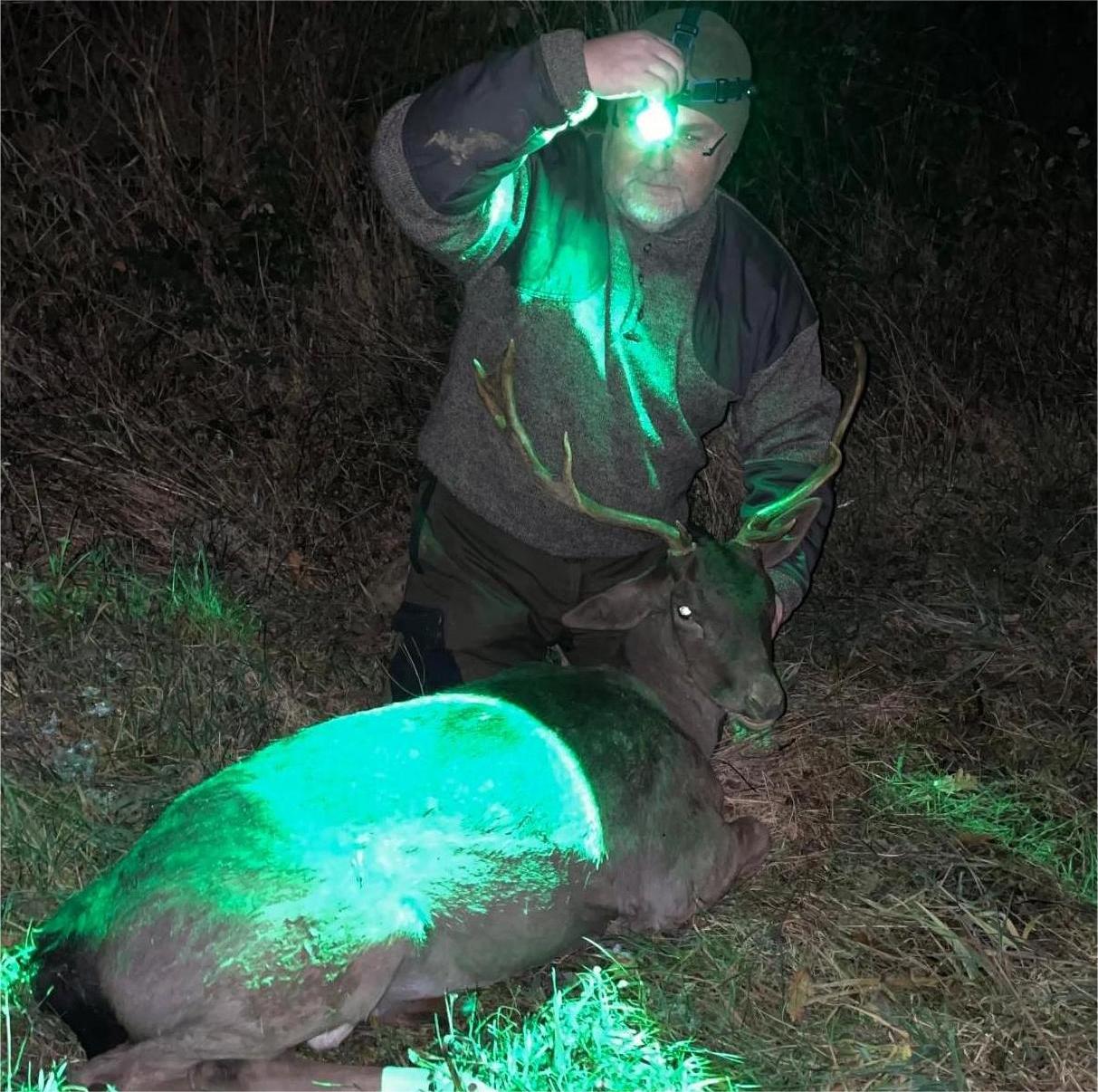
Green Light
- Long throw, excellent for human vision
- Less alarming to animals
- Ideal for varmint and hog hunting
Multi-color hunting flashlights
Allow you to seamlessly switch between colors depending on your hunting phase.

Battery Type: Rechargeable vs Replaceable
Both options have advantages depending on the style of your hunt.
Rechargeable (18650, 21700, USB-C lights)
- High capacity and efficiency
- Lower long-term cost
- More consistent output
Replaceable (AA, CR123A)
- Easy to carry as backup
- Reliable in extreme cold
- Useful for remote hunting areas
For extended hunts, a rechargeable primary light + replaceable battery backup is a strong combination.
Durability and Build Quality
Key factors to ensure your hunting light survives rough environments:
- Waterproof rating (IP66–IP68)
- Drop resistance
- Aluminum alloy or steel construction
- Anti-slip grip for cold weather
- Silent tail switch or half-press operation
A durable hunting flashlight prevents failure at critical moments.
Matching the Right Flashlight to the Right Hunting Scenario
Night Navigation
- Mid-lumen flood beam
- Red or low-white light to protect night vision
Scanning for Game
- Hybrid beam
- Green or red depending on the species
Long-Range Spotting
- High-lumen spotlight
- Tight beam with strong candela
Blood Tracking
- Medium lumens
- Wide beam
- Neutral white helps reveal contrast better than cool white
Using specialized lights for each task can dramatically improve your efficiency and ethical hunting performance.
Brinyte Recommendations for Beginners and Experienced Hunters
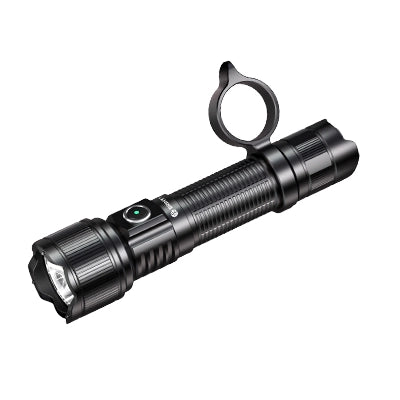
- For all-around hunting: Brinyte T28 Tri-Color Hunting Light Kit
- For long-range spotting: Brinyte T18 / BrinyteT28
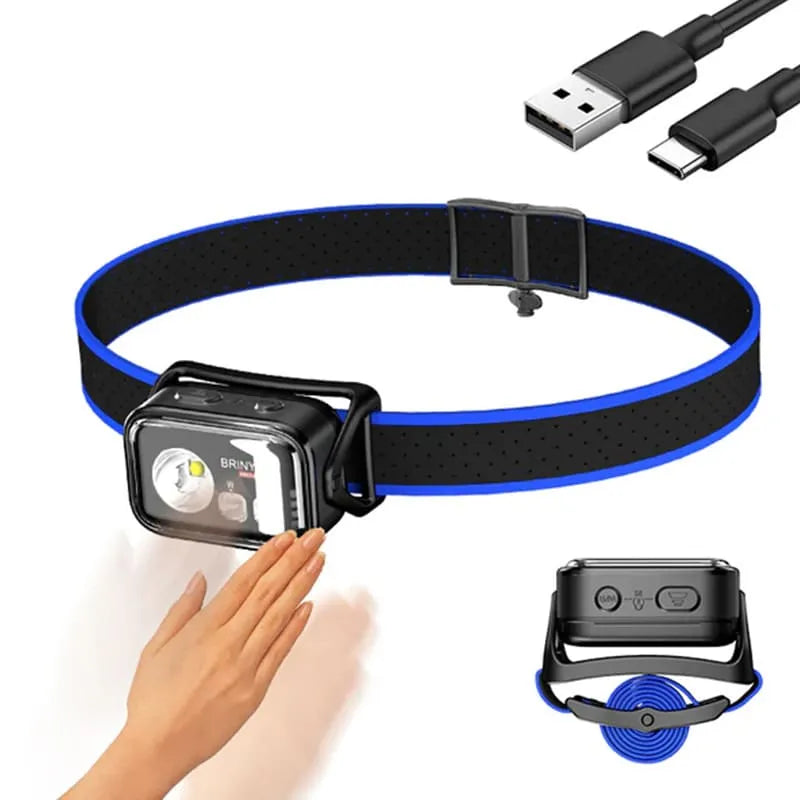
- For scanning & close-range navigation: Brinyte PT28
- For blood tracking: Neutral-white models or low-mode flood beams
Each offers different strengths depending on terrain, species, and hunting style.

Frequently Asked Questions
1. Why do hunters prefer red lights?
Because most animals cannot see red wavelengths clearly, making it ideal for stealth.
2. Is green light better for long-distance scanning?
Yes. Green appears brighter to the human eye, offering longer throw and clearer identification.
3. Which animals react least to red light?
Boars, coyotes, foxes, raccoons, and most nocturnal predators.
4. Do deer see green light?
Deer detect green, but they are less alarmed by it compared to white.
5. Is white light bad for hunting?
Not bad—just less stealthy. Use it only for final target identification.
6. Which beam color is best for coyotes?
Red. It provides the highest stealth and least reaction.
7. What is the best all-in-one hunting flashlight?
A multi-color system such as the Brinyte T28, offering red, green, and white instantly.
8. Does light color affect shot timing?
Yes.
- Red = slower reactions from animals
- Green = slight awareness
- White = fast spooking
9. Are color filters good enough?
They work, but built-in color LEDs (like Brinyte T28) give stronger brightness and better beam quality.
10. Which color preserves human night vision the best?
Red helps your eyes stay adapted to darkness for faster scanning.
Conclusion
Light color is one of the most powerful yet underrated tools in modern night hunting.
Understanding how animals perceive red, green, and white beams allows you to:
- scan more efficiently
- remain undetected
- identify safely
- take ethical shots
- dramatically increase your success rate
With adjustable multi-color systems like the Brinyte T28, you can adapt instantly to any species, terrain, or distance—all without switching gear.
You May Also Like
-
Learn how different beam colors affect visibility in
Hunting Flashlight Colors: Red vs Green vs White — Which One Should You Use? -
See how beam control works in real predator hunting scenarios in
Field-Tested Beam Techniques for Predator Hunters -
Understand how headlamps and handheld lights serve different roles in
Hunting Light Setup Guide: Headlamp vs Handheld Flashlight -
Avoid common beginner mistakes by reading
Mistakes Hunters Make with Flashlights (and How to Avoid Them)