
And How Lighting Affects Each One
Introduction
Tracking blood after dark is one of the most challenging parts of hunting. Even experienced hunters may lose bloodstain clues at night - not because the bloodstains have vanished, but because the visibility of blood by the human eye undergoes some subtle changes at night, and these changes are easily underestimated.
Most night tracking failures come down to a few common mistakes. In nearly every case, lighting choice and usage play a central role. Understanding these mistakes—and how proper lighting can prevent them—dramatically improves recovery success.
Why Most Blood Trails Are Lost at Night
Night tracking combines several challenges at once: reduced visual sensitivity, fatigue, changing terrain, and environmental moisture. Unlike daylight tracking, the human eye relies more on contrast than color accuracy in low-light conditions.
When lighting is used incorrectly, blood may still be present—but effectively invisible. This is why many lost trails are not caused by poor shot placement alone, but by how the trail is searched.
(For a deeper explanation of why this happens, see How Blood Tracking Lights Work.)
Mistake 1: Using Too Much Brightness
One of the most common mistakes is assuming that more brightness, better visibility.
In reality, excessive brightness often creates glare on wet leaves, grass, or soil. This glare can wash out subtle blood signs and make the ground appear uniformly reflective.
How lighting affects it:
Blood tracking is about contrast, not illumination. A controlled light output with a wide, even beam allows the eye to separate dark blood from reflective backgrounds. Sometimes, lower brightness often show more detail than a higher beam.

Mistake 2: Relying on a Single Light Color
No single light color works in every environment. Blood, vegetation, soil, and moisture all interact differently with light wavelengths.
Many hunters lose track of prey because when tracking their bloodstains, they overlook that the blood will be changed by time and environment. Therefore, the previously effective colors can no longer provide sufficient contrast for hunters.
How lighting affects it:
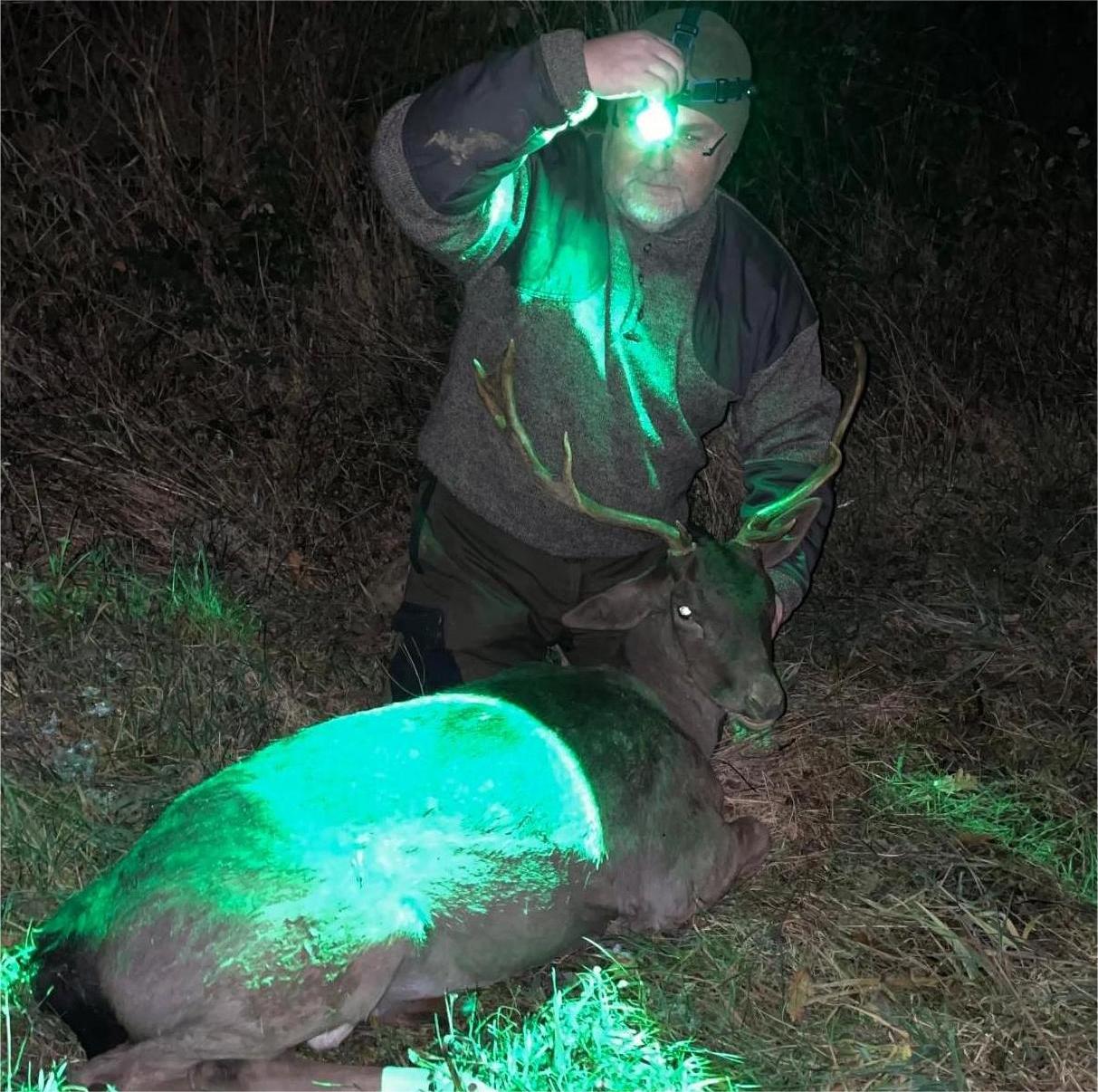
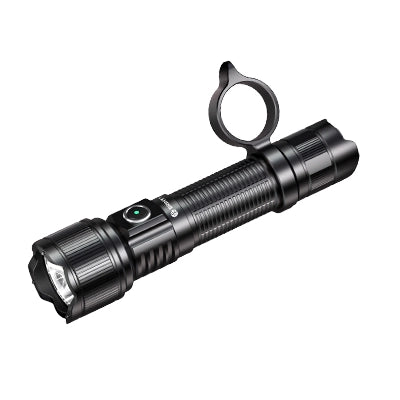
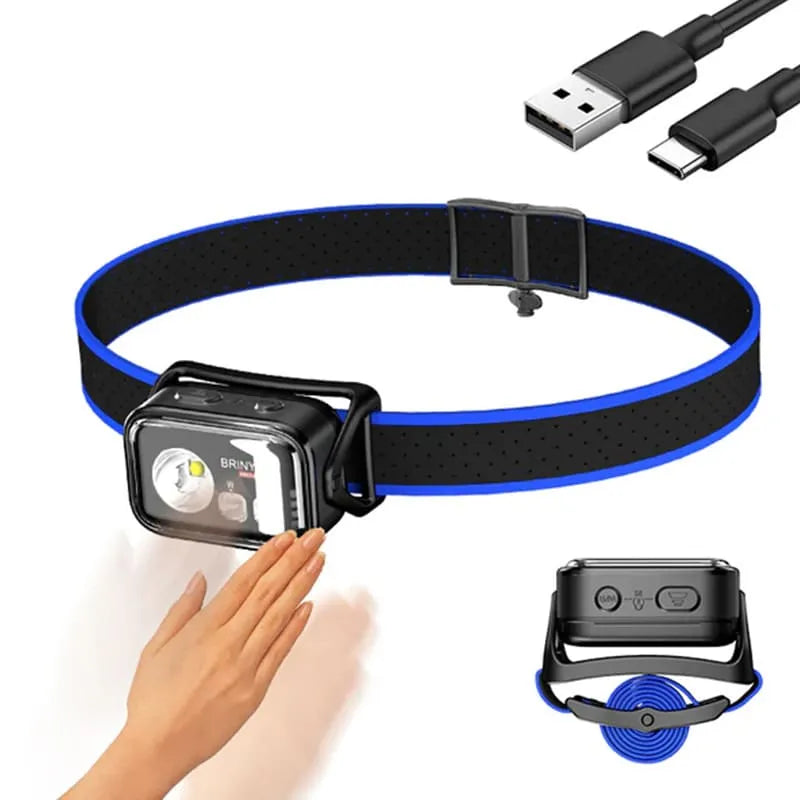
Switching between colors can restore visibility instantly. Green light often enhances contrast on vegetation, while red light reduces eye strain during close inspection. This is why multi-color systems—such as Brinyte SPECTRA T5X—are increasingly favored for night recovery work.
(For a detailed comparison, see Green vs Red Light for Blood Tracking.)
Mistake 3: Scanning the Ground Too Fast
Speed is the enemy of detection at night. Rapid scanning and searching may tire hunters‘ eyes, and will be easier to miss small drops, smears, or disturbed vegetation.
Under low-light conditions, the brain struggles to process detail when both the observer and the light source are moving quickly.
How lighting affects it:
A stable beam with consistent brightness supports slow, methodical scanning. Wide beams are particularly effective in reducing repositioning and help maintain visual rhythm.
Mistake 4: Holding the Light at the Wrong Angle
Many hunters instinctively point the light straight down from above. Although this seems logical, it often hides important details.
Flat, overhead lighting minimizes shadows, making surface texture harder to read.
How lighting affects it:
Low-angle lighting creates shadows, revealing footprints and tiny drops of blood. Design of blood tracking light makes it work better when it is close to the ground and tilted forward for illumination, rather than shining vertically downward.

Mistake 5: Ignoring Changes in Blood Condition
Blood does not remain visually consistent throughout a tracking session. Fresh blood is often reflective and easy to spot, while older blood darkens, dries, or absorbs into the ground.
As time passes, contrast decreases—especially on dark or wet surfaces.
How lighting affects it:
Different light wavelengths interact with dried blood in different ways. Changing color of blood tracking flashlight will be helpful to restore contrast when the reflectivity of the blood decreases. It often determines whether tracking can continue or clue can be completely lost..
Mistake 6: Overlooking Environmental Factors
Rain, dew, snow, and humidity dramatically affect visibility. Wet surfaces increase reflectivity, while certain vegetation types scatter light unpredictably.
Ignoring these variables leads many hunters to blame their eyesight or the trail itself.
How lighting affects it:
Controlled brightness and even beam distribution reduce glare on wet surfaces. In changing conditions, the ability to adjust both brightness and color becomes far more important than raw power.
Mistake 7: Expecting Equipment to Replace Technique
Even the best blood tracking light cannot compensate for poor technique. Lighting enhances what the eye is already capable of detecting—it does not interpret the trail for you.
Relying solely on equipment often leads to rushed scanning and missed signs.
How lighting affects it:
The right light supports good habits: slow movement, low-angle scanning, and frequent reassessment. Used correctly, lighting becomes an extension of technique rather than a shortcut.

How to Avoid These Mistakes: A Practical Night Tracking Checklist
Before and during a night tracking session, consider the following:
- Is brightness set low enough to avoid glare?
- Can you switch light colors as terrain changes?
- Are you scanning slowly and deliberately?
- Is the light held at a low, forward angle?
- Have environmental conditions changed since you started?
These small adjustments often prevent the most common tracking failures.
Why Better Lighting Leads to Better Recovery
Most of blood trails lost at night do not because they really disappear but are ignored. By understanding the interaction between light and blood, terrain and human vision, hunters can significantly increase their success rate in finding prey.
Better lighting cannot replace experience, but can enhance good tracking skills and reduce unnecessary mistakes. Ultimately, effective night tracking can help find prey faster, reduce uncertainty, and achieve more ethical results in wild hunting.
Frequently Asked Questions
What is the most common mistake when blood tracking at night?
The most common mistake is using too much brightness.
Excessive light creates glare on wet grass, leaves, and soil, making blood harder—not easier—to see. Controlled brightness usually reveals more detail.
Does flashlight color really matter for blood tracking?
Yes, light color plays a major role.
Different colors interact with blood and terrain differently. Green light often improves contrast on vegetation, while red light helps preserve night vision during close inspection.
Why does a blood trail seem to disappear at night?
Blood rarely disappears completely.
Changes in lighting, surface moisture, or blood condition often reduce contrast, making blood blend into the background. Switching light color or adjusting brightness often restores visibility.
Is brighter better when tracking blood at night?
Not always.
Higher brightness can wash out contrast and create reflections. Many experienced hunters prefer lower output combined with the right beam pattern for night blood tracking.
What angle should I hold a blood tracking flashlight?
A low, forward angle works best.
Shallow lighting creates shadows that highlight texture, footprints, and small blood drops, while overhead lighting tends to flatten the ground and hide detail.
Can better lighting replace proper blood tracking technique?
No.
Lighting enhances visibility, but it cannot replace slow scanning, careful observation, and proper tracking technique. The best results come from using good lighting alongside good habits.