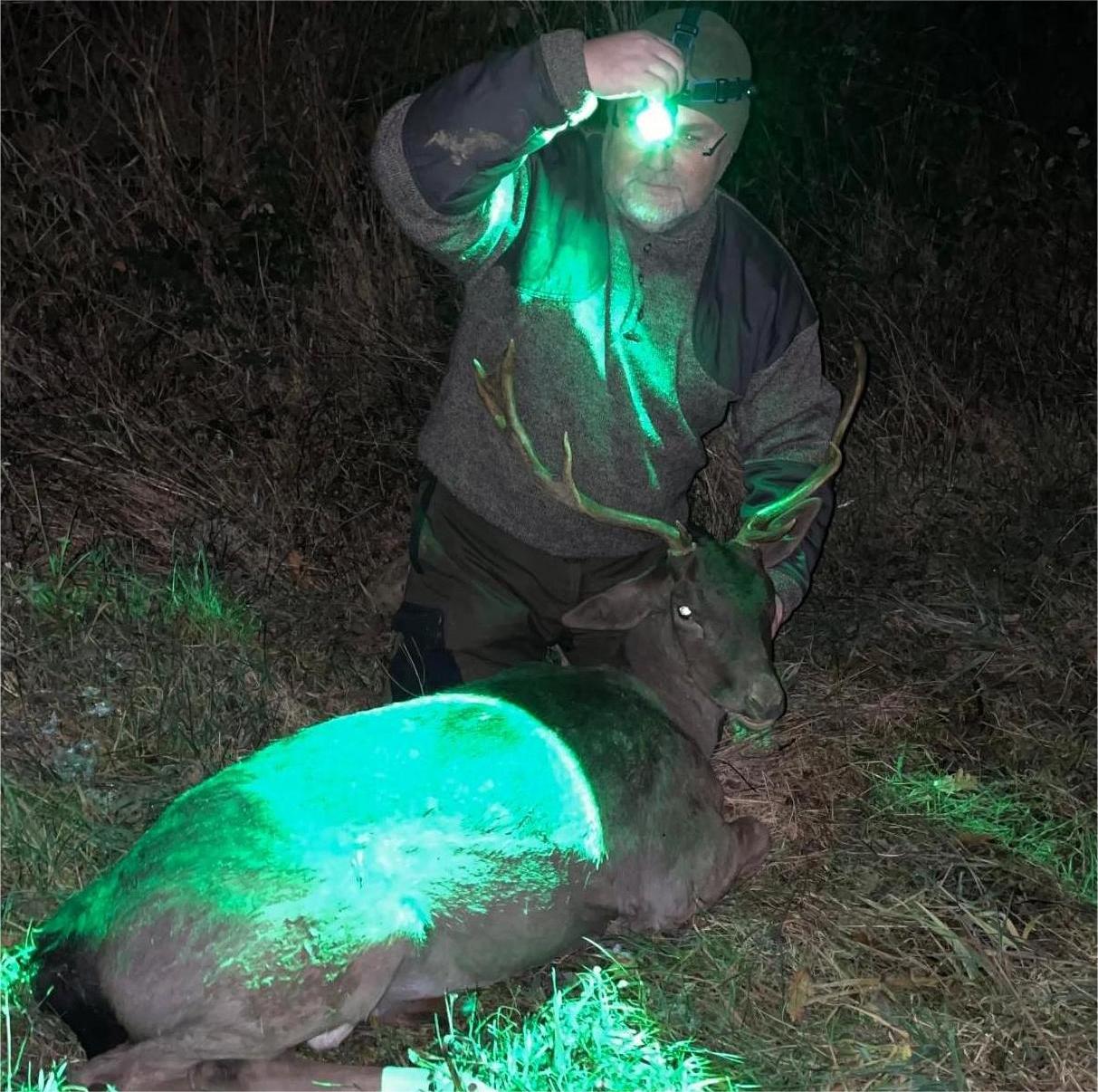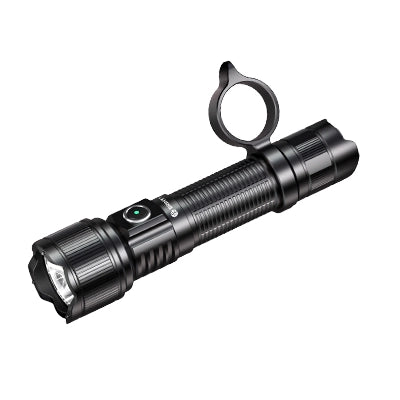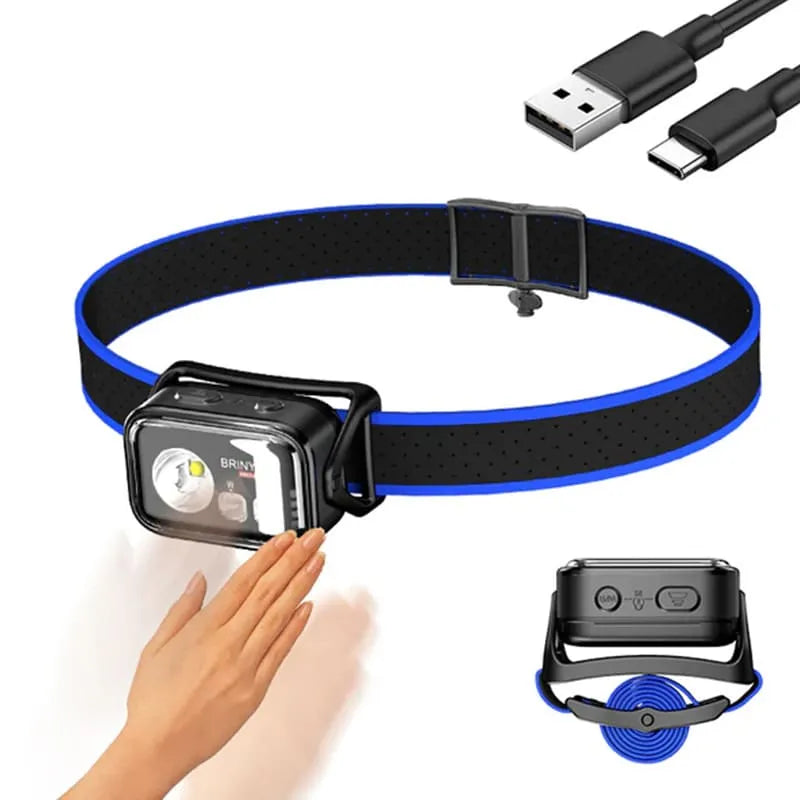


• Using too much light – spooks game and drains batteries. Use low/medium modes.
• Wrong beam pattern – flood for close work, throw for distance.
• Wrong light color – red/green for scanning, white only for ID.
• Poor battery planning – carry spares and avoid constant turbo.
• No light discipline – use short bursts, avoid continuous illumination.
• Improper positioning – tilt headlamps down, offset handheld lights.
• Skipping pre-hunt checks – test modes, switches, and battery level.
✔️ Hunters who want to avoid common lighting errors
✔️ Beginners learning proper light discipline
✔️ Experienced hunters looking for a refresher
📖 Table of Contents
Introduction
A quality hunting flashlight can dramatically improve safety, visibility, and success after dark. Yet in the field, many hunters—both beginners and experienced—unknowingly make lighting mistakes that spook game, drain batteries, or compromise situational awareness.
Below are the most common flashlight mistakes hunters make, along with practical, field-tested advice to help you avoid them.
Mistake #1: Using Too Much Light, Too Often
One of the biggest errors hunters make is assuming brighter is always better. Constantly running a flashlight at high output floods the environment with light, making animals aware of your presence long before you see them. It also ruins night vision and accelerates battery drain.
How to avoid it:
- Use low or medium modes for movement and scanning
- Reserve high-output modes for identification only
- Treat light as a tool, not a spotlight
Mistake #2: Ignoring Beam Pattern Control
Not all light beams behave the same. Using the wrong beam pattern at the wrong time can either blind you with reflected light or leave distant targets unidentifiable.
How to avoid it:
- Use flood beams for close movement and tracking
- Switch to focused throw beams for long-range identification
- Adjust beam shape before entering active hunting zones
Mistake #3: Choosing the Wrong Light Color
White light is powerful—but not always ideal for hunting. Many animals react strongly to sudden white illumination, especially at close distances. Red or green light often causes less disturbance, depending on species and environment.
How to avoid it:
- Use red or green light when scanning or approaching
- Switch to white light only when identification is required
- Avoid rapid color switching once animals are in range
Mistake #4: Poor Battery Planning
Few things end a hunt faster than a dead flashlight. Cold temperatures, high-output usage, and long runtime demands quickly expose weak battery planning.
How to avoid it:
- Carry spare batteries or power banks
- Use medium output modes whenever possible
- Store spare batteries close to your body in cold weather
Mistake #5: Forgetting About Light Discipline
Light discipline isn't just a tactical concept—it's essential for hunters. Leaving a flashlight on while stationary, scanning too frequently, or sweeping the beam across open terrain makes your position obvious.
How to avoid it:
- Use short, controlled bursts of light
- Avoid continuous illumination when waiting or listening
- Angle the beam slightly downward to reduce reflection
Mistake #6: Improper Light Positioning
Where your light is mounted—or how it's held—affects both visibility and safety.
How to avoid it:
- Tilt headlamps downward for ground awareness
- Keep handheld lights slightly offset from your line of sight
- Test positioning before the hunt begins
Mistake #7: Skipping Pre-Hunt Light Checks
Even premium hunting lights can fail if neglected. Loose tail caps, dirty lenses, or partially charged batteries often go unnoticed until it's too late.
How to avoid it:
- Check brightness levels before leaving camp
- Clean lenses regularly
- Confirm charging ports and switches work properly
📋 Summary Table: Mistakes & Fixes
| Mistake | Consequence in the Field | Practical Fix |
|---|---|---|
| Using maximum brightness at all times | Spooks game, causes eye fatigue, drains battery too fast | Use low/medium modes for movement; reserve high output for brief identification |
| Choosing the wrong beam pattern | Poor target identification or tunnel vision | Use balanced or adjustable beams; flood for movement, throw for long-range scanning |
| Ignoring light color strategy | Animals detect your presence earlier | Use red or green light when scanning and approaching; switch to white only when necessary |
| Shining light continuously while moving | Exposes position and movement pattern | Use momentary activation and short light bursts to stay unpredictable |
| Failing to manage battery runtime | Light dies mid-hunt, forcing early exit | Carry spare batteries and avoid extended turbo usage |
| Not testing flashlight before the hunt | Switch failure, loose battery, charging issues | Perform a pre-hunt light check: modes, switch, battery level |
| Improper light positioning | Shadows distort distance and terrain | Keep light slightly offset from eye level to improve depth perception |
| Using a single light source only | No backup if primary fails | Carry a secondary flashlight or headlamp as redundancy |
| Forgetting cold-weather battery impact | Sudden voltage drop in low temperatures | Store spare batteries close to body warmth and use cold-resistant cells |
| Over-relying on strobe mode | Disorients user more than target | Use strobe only for brief disruption, not continuous tracking |
❓ Frequently Asked Questions
What are the most common flashlight mistakes hunters make at night?
Using lights that are too bright, relying on turbo mode too often, poor beam discipline, and failing to manage battery life are the most common mistakes.
Can using a flashlight scare away game animals?
Yes. Sudden exposure to high-intensity white light can alert or spook animals, especially during close-range scanning or final approach.
Is higher brightness always better for night hunting?
No. Excessive brightness reduces situational awareness, increases glare, and can cause animals to react defensively. Controlled output is more effective.
Why is beam control important during night hunting?
Poor beam control can expose your position, reflect off vegetation, or alert animals prematurely. Proper beam discipline improves stealth and identification.
Should hunters rely on turbo mode in the field?
Turbo mode should be used briefly for long-range identification only. Overuse leads to rapid battery drain and heat buildup.
How can hunters avoid battery-related flashlight failures?
Carry spare batteries, use lower output modes whenever possible, and avoid cold exposure without proper battery insulation.
Is it a mistake to hunt with only one light source?
Yes. Having no backup light increases risk. Many experienced hunters carry both a handheld flashlight and a headlamp for redundancy.
Do headlamps and flashlights serve different roles in hunting?
Absolutely. Headlamps are ideal for movement and hands-free tasks, while handheld flashlights offer better control for scanning and identification.
Conclusion: Smart Light Use Is a Hunting Skill
Successful hunters don't just carry good lighting—they use it intelligently.
By avoiding these common flashlight mistakes and applying better light discipline, you gain improved stealth, better identification, longer runtime, and increased safety.
A hunting flashlight should support your instincts—not fight against them. With thoughtful use and the right hunting-focused gear, your light becomes an advantage, not a liability.
You May Also Like
-
Build a solid foundation by reading
Hunting Flashlight Basics: How to Choose the Right Light for Every Scenario -
Correct color-related mistakes with
Hunting Flashlight Colors: Red vs Green vs White — Which One Should You Use? -
Avoid stealth-breaking errors in
Stealth Approaches for Night Hunting: Lighting Techniques That Don't Spook Game -
See how proper system design prevents mistakes in
Complete Night Hunting Lighting Strategy
About Brinyte
Since 2012, Brinyte has specialized in hunting and tactical lighting. Our products are developed with input from experienced hunters, field‑tested in real conditions, and engineered for reliability. Every guide we publish reflects practical field experience combined with optical science.
👉 Learn more: About Brinyte | Hunting Lights Collection
"Professional tools for responsible hunters — Brinyte."
🗣️ Want to avoid these mistakes on your next hunt? Browse our hunting lights collection to find gear designed for real-world use.