
How to Combine Color, Brightness, Gear, and Technique
Night hunting success is rarely determined by a single piece of equipment. Instead, it’s the result of how well you combine light color, brightness control, gear selection, and field technique into one cohesive system.
Many hunters own powerful flashlights—but still struggle with detection, identification, or spooking animals. The reason is simple: lighting without strategy creates problems instead of solving them.
This guide brings together everything covered in our Night Hunting Lighting series and turns it into a complete, field-tested lighting strategy you can actually apply.
1. Think in Systems, Not Single Lights
A common mistake hunters make is asking:
“What is the best hunting flashlight?”
The better question is:
“How should my lighting system work across different hunting phases?”
A complete night hunting lighting system usually includes:
- Primary identification light (long-range, controlled beam)
- Secondary scanning or movement light
- Hands-free headlamp for tasks and navigation
- Correct light color for animal behavior
This layered approach improves efficiency, safety, and stealth.
2. Choosing the Right Light Color for Each Phase
Light color should change depending on what you’re doing, not stay fixed all night.
White Light — Identification & Precision
- Best for confirming species, size, and terrain
- Use sparingly and only when necessary
- Higher risk of alerting animals
Best used with:
Brinyte T40 — strong output with controlled throw for final identification
Red Light — Stealth & Close-Range Movement
- Least visible to many nocturnal animals
- Ideal for scanning and approach phases
- Preserves night vision
Best used with:
Brinyte T18 — optimized for stealth scanning and controlled brightness
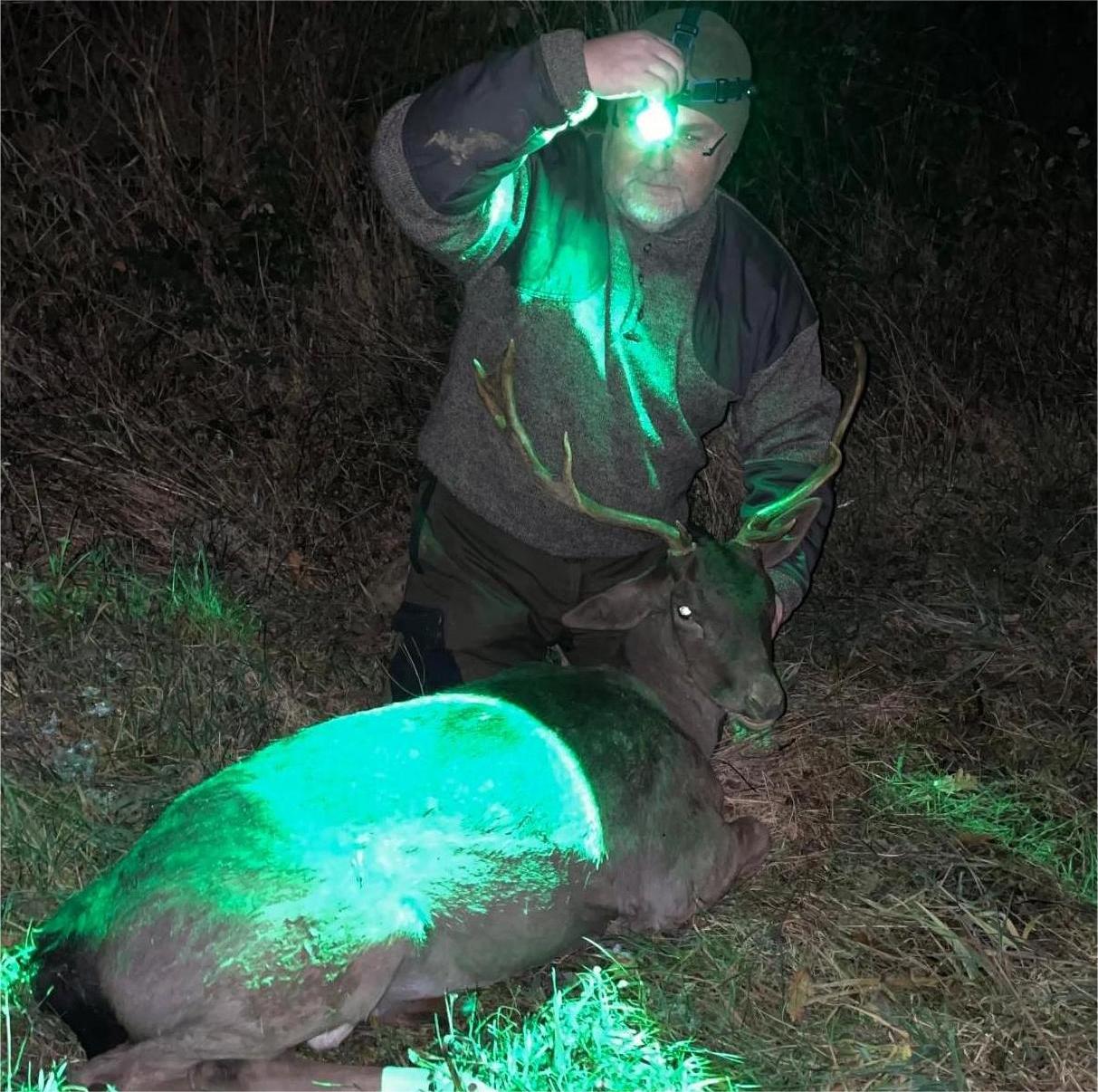
Green Light — Detection & Tracking
- Enhances contrast for eyeshine
- Longer effective range than red in open terrain
- Popular for predator and hog hunting
Best used with:
Brinyte T28 — balanced beam profile with stable green output

3. Brightness Control Matters More Than Maximum Lumens
High lumen numbers look impressive on paper—but uncontrolled brightness causes reflection, washout, and spooked game.
Practical Brightness Guidelines
- Low modes: navigation, scanning, movement
- Medium modes: eye detection, terrain reading
- High modes: brief identification only
A good hunting light should offer:
- Multiple usable brightness levels
- Smooth transitions
- Stable output without flicker
This is where hunting-specific lights outperform general-purpose flashlights.
4. Headlamp vs Handheld: Use Both—Correctly
Rather than choosing between a headlamp or flashlight, experienced hunters use both with defined roles.
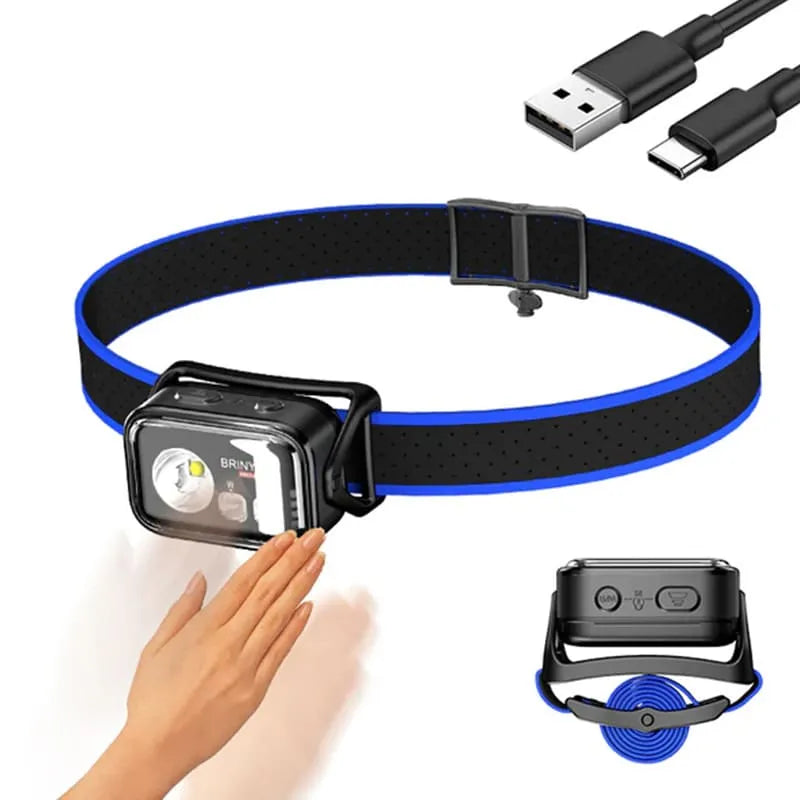
Headlamp (Hands-Free Utility)
Best for:
- Walking trails
- Gear handling
- Field dressing
- Camp tasks
Recommended models:
- HL28 — multi-color hunting headlamp with red/green/white options
- HL18 / HL16 — lightweight, wide-beam headlamps for navigation
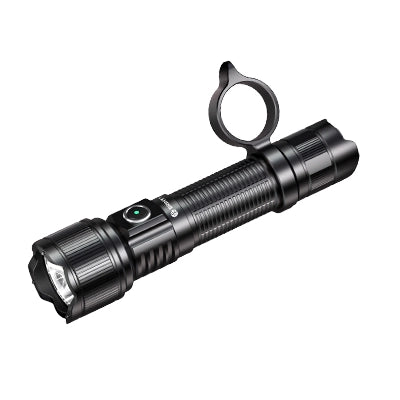
Handheld Flashlight (Control & Reach)
Best for:
- Scanning
- Long-range identification
- Controlled beam placement
Recommended models:
Using a headlamp for tasks and a handheld light for detection keeps your beam intentional and controlled.

5. Beam Technique Is as Important as the Light Itself
Even the best flashlight can fail with poor technique.
Key Field Techniques
- Scan slowly, never sweep rapidly
- Use edge-of-beam detection instead of center hotspot
- Keep the beam moving, not fixed
- Avoid backlighting yourself or your partners
Combining these techniques with the right beam profile dramatically improves detection without alarming animals.
6. Adapt Your Setup to Environment
Your lighting strategy should adjust to conditions:
| Environment | Best Practice |
| Fog / Mist | Lower brightness, wider beam |
| Rain | Reduce intensity, avoid white light |
| Snow | Use red or green to reduce reflection |
| Dense brush | Narrow beam, slow scanning |
Hunting lights like Brinyte T18 and T28 offer better control in these conditions than high-output tactical lights.
7. Build Your Personal Night Hunting Lighting Setup
Here’s an example of a balanced, field-proven setup:
- Primary Light: T28 (green) for detection
- Secondary Light: T40 (white) for ID
- Headlamp: HL28 (red/green/white) for hands-free tasks
- Backup: HL18 for camp and movement
This configuration covers every hunting phase without redundancy or wasted weight.

Frequently Asked Questions
1. What is a complete night hunting lighting strategy?
A complete night hunting lighting strategy combines light color, brightness levels, gear selection, and field techniques to adapt to terrain, weather, and animal behavior throughout the hunt.
2. Why is using multiple hunting lights better than relying on one?
Different stages of a hunt require different lighting functions.
Using both handheld flashlights and headlamps allows better visibility, hands-free movement, and faster response without compromising stealth.
3. How should color and brightness work together at night?
Color controls animal reaction and stealth, while brightness controls identification distance and clarity.
For example, red or green light at lower output for scanning, then white light at higher output for identification when needed.
4. What lighting setup works best for long night hunts?
A layered system performs best:
- A headlamp for movement and hands-free tasks
- A handheld hunting flashlight for scanning and long-range identification
- Multiple brightness modes to adapt without constant gear switching
5. Is higher brightness always better for night hunting?
No. Excessive brightness can cause reflection, spook animals, and reduce situational awareness.
Controlled output and gradual brightness adjustment are more effective than maximum lumen use.
6. How do weather conditions affect hunting light strategy?
Rain, fog, and snow scatter light differently.
Lower brightness, warmer tints, and tighter beams help reduce backscatter and improve visibility in challenging environments.
7. Should hunters plan their lighting setup before entering the field?
Yes. Pre-setting light modes, testing switches, and planning when to use each light reduces mistakes and improves safety during real hunts.
8. Can one lighting strategy work for all hunting scenarios?
No single setup fits every scenario.
The most effective strategy is adaptive, allowing hunters to adjust color, brightness, and gear based on distance, terrain, and animal behavior.
9. How does a lighting strategy improve hunting success?
A proper lighting strategy improves:
- Target identification accuracy
- Stealth during movement
- Reaction time
- Overall safety and efficiency at night
10. What makes a hunting lighting system truly reliable?
Reliability comes from durability, consistent output, intuitive controls, and thoughtful setup, not just lumen ratings or specs on paper.
Conclusion: Strategy Turns Light into an Advantage
Night hunting isn’t about overpowering the darkness—it’s about working with it intelligently.
When you combine:
- Correct light color
- Controlled brightness
- Purpose-built hunting gear
- Proper field technique
Your flashlight becomes more than illumination—it becomes a tactical advantage.
Brinyte’s hunting-focused lineup—T18, T28, T40, and HL series headlamps—is designed around this exact philosophy: real-world use, not just specifications.
If you approach night hunting with a complete lighting strategy, every outing becomes more controlled, more efficient, and far more successful.
You May Also Like
-
Start from the fundamentals with
Hunting Flashlight Basics: How to Choose the Right Light for Every Scenario -
Master color selection in
Hunting Flashlight Colors: Red vs Green vs White — Which One Should You Use? -
Apply real-world techniques from
Field-Tested Beam Techniques for Predator Hunters -
Avoid critical errors by reviewing
Mistakes Hunters Make with Flashlights (and How to Avoid Them)