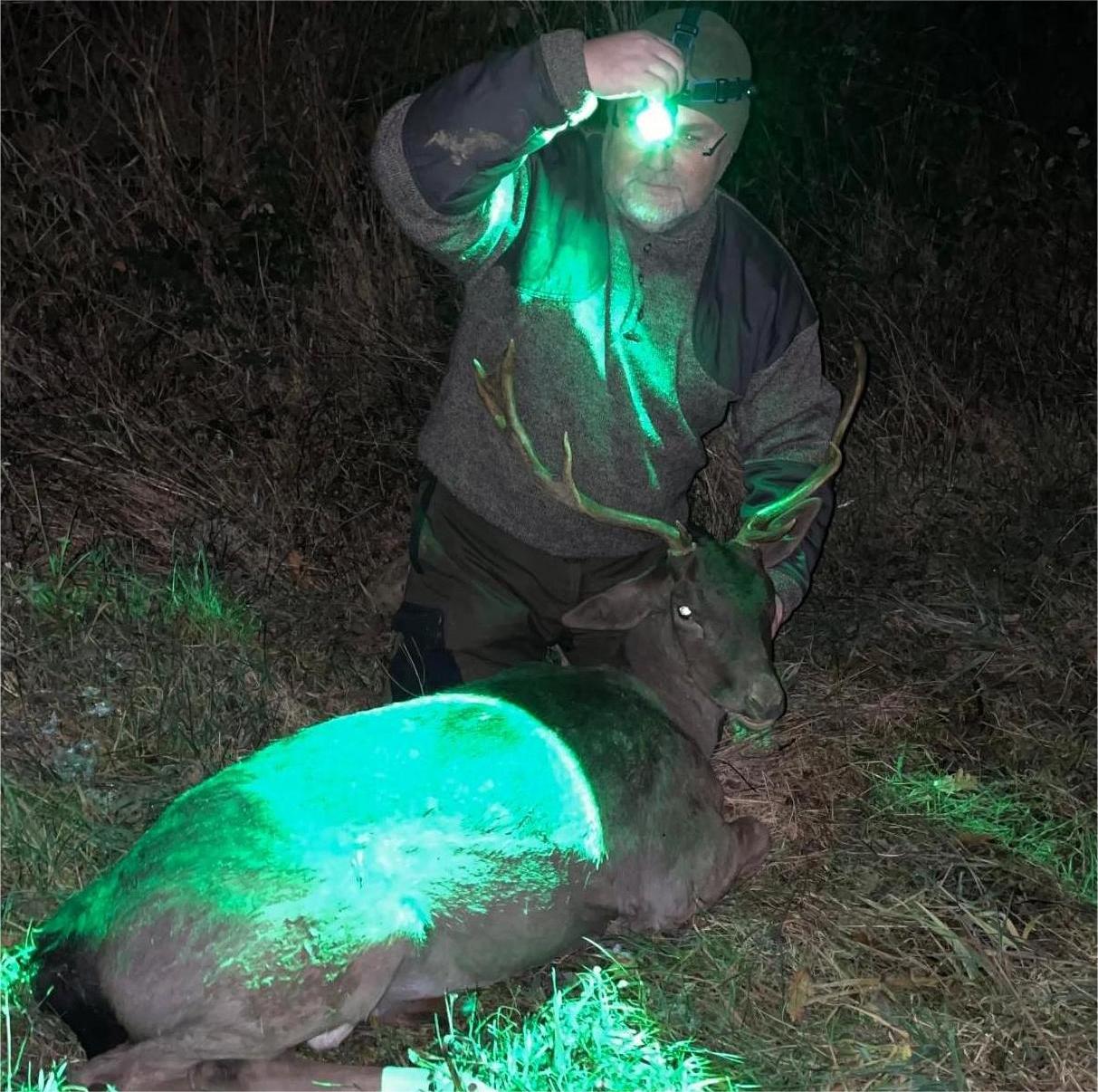


Off-Season Hunting Flashlight Care: 7-Step Storage & Battery Guide (2026)

2. Remove batteries — never store lithium cells inside the light for months.
3. Charge batteries to ~40% (approximately 3.6V–3.7V) — this voltage minimizes calendar aging.
4. Grease O-rings and threads with a thin coat of silicone grease to prevent drying and cracking.
5. Store in a cool, dry place (10–25°C / 50–77°F) with desiccant packs.
6. Inspect before next season — test every mode and check for corrosion.
✔ Anyone who has found a corroded flashlight in a drawer months later
✔ Crossbow, rifle, and bow hunters who depend on reliable lighting
✔ People who want their lithium batteries to last years, not seasons
Introduction: Why Off-Season Maintenance Matters
Every hunter knows the importance of reliable lighting in the field — but what happens after hunting season ends? Many hunters toss their flashlights and headlamps into a drawer, forgetting them until next year. The result? Corroded contacts, dried-out seals, and batteries that have permanently lost capacity — not from use, but from sitting idle at the wrong charge level.
Off-season flashlight care is not about tidiness. It is about protecting your investment and ensuring readiness for the next hunt. A lithium battery stored incorrectly over an eight-month off-season can lose more capacity than one used daily. The steps below prevent that.
Step 1 — Clean Your Flashlight Before Storage
Before putting away your hunting lights, clean them thoroughly. Mud, tree sap, and blood residues can damage the body finish and lenses. Use a soft microfiber cloth with mild soap or isopropyl alcohol to remove grime.
Avoid ammonia-based cleaners, especially on coated lenses — they can strip the anti-reflective layer that ensures maximum brightness and clarity.
Step 2 — Remove Batteries and Understand Why
Never leave batteries inside your flashlight during long-term storage. This is not primarily about leakage — quality lithium-ion cells do not leak like alkaline batteries. The real enemy is parasitic drain and calendar aging at high state-of-charge.
Many modern flashlights — especially those with electronic side switches and USB-C charging circuits — draw a tiny standby current even when "off." Over months, this slow drain can pull a fully charged battery below its minimum safe voltage (typically 2.5V), at which point the protection circuit trips — or worse, the cell is permanently damaged.
Remove all batteries and store them separately in a cool, dry, non-conductive case. If you use multiple cells, label them and rotate their use evenly next season.
Understanding Battery Aging: Why "Leakage" Is the Wrong Word
Ask most hunters why they remove batteries for storage, and they will say "to prevent leakage." For alkaline batteries, this is correct. For the 18650 and 21700 lithium-ion cells that power modern hunting flashlights, it is the wrong problem. Lithium cells do not leak electrolyte under normal conditions. What they do is age — and aging accelerates dramatically when a battery sits at full charge in a warm environment.

Lithium-ion batteries experience two distinct types of degradation:
- Cycle aging: Capacity loss from charging and discharging. A quality cell is rated for 300–500 full cycles before reaching 70–80% of its original capacity.
- Calendar aging: Capacity loss that occurs even when the battery is idle. This is driven by a slow, continuous chemical reaction at the electrolyte-electrode interface — and its speed is directly proportional to storage voltage and temperature.
A battery stored at 100% charge (4.2V) at 25°C can lose 10–20% of its capacity per year to calendar aging alone. The same battery stored at 30–50% charge (approximately 3.6–3.7V) in a cool environment loses 2–4% per year. The difference is not subtle — it is the difference between a battery that lasts five seasons and one that needs replacement after two.
This is why the "40% storage rule" exists — it is not a safety precaution. It is a lifespan maximization strategy. The voltage range of 3.6–3.7V places the least electrochemical stress on both the cathode and anode, slowing the side reactions that consume available lithium ions. At this voltage, a quality 21700 cell can sit on a shelf for 6–12 months with minimal degradation, making the "every 2–3 months" recharge cycle a conservative but reliable practice.
Lithium-ion batteries do not die from sitting idle — they die from sitting idle at the wrong voltage. A cell stored at 100% charge in a warm environment ages 3–5× faster than one stored at 40% charge in a cool, dry place. Removing batteries before off-season storage and charging them to approximately 3.6–3.7V is the single most effective action you can take to extend their useful life.
Step 3 — Recharge and Rotate Batteries Periodically
Lithium batteries are sensitive to prolonged inactivity. To minimize calendar aging, store them at 40–50% charge (approximately 3.6–3.7V for standard Li-ion cells). This voltage level places the least electrochemical stress on the battery's internal components.
Check stored batteries every 3–4 months. If voltage has dropped below 3.3V, top them up to the 3.6–3.7V range. Modern quality cells self-discharge at a rate of only 1–2% per month — so a properly stored cell can sit for 6–12 months without needing attention. The "every 2–3 months" schedule recommended by many guides is conservative but safe.
If you are storing gear in cold regions like Scandinavia or Alaska, keep batteries indoors at room temperature. While cold storage slows calendar aging (the chemical side reactions slow down at lower temperatures), it also causes temporary voltage drop — a cold battery may read as discharged when it is not. If you do store batteries in a cold environment, allow them to warm to room temperature before use or charging to prevent lithium plating on the anode.
Step 4 — Check O-Rings, Threads, and Waterproof Seals
Your flashlight's waterproofing relies heavily on O-rings and thread seals. Over time, rubber O-rings can dry out, crack, or take a compression set — especially in arid or freezing climates where humidity is low and the rubber loses elasticity.

Inspect each seal carefully and apply a thin coat of silicone grease — just enough to make the O-ring glisten, not enough to attract dirt. Silicone grease is non-conductive and chemically inert, so it will not damage the rubber or interfere with electrical contacts. Do not use petroleum-based lubricants (like WD-40 or gun oil) — they can swell and degrade rubber O-rings over time.
Also clean and lubricate the threads. Smooth threads reduce the torque required to fully tighten the tail cap, which means a better electrical connection and less wear on the anodizing.
Step 5 — Store in a Cool, Dry, and Dust-Free Environment
Where you store your gear matters as much as how you store it. Avoid leaving flashlights in vehicles, attics, or uninsulated garages — summer heat can degrade rubber, adhesives, and even LED solder joints. Winter freeze-thaw cycles inside a vehicle can cause condensation that corrodes internal contacts.
Store your lights in an EVA case or original packaging, in a shaded, ventilated area. For humid regions, include a small silica gel pack inside the case to absorb moisture. The ideal storage temperature band is 10–25°C (50–77°F).

Step 6 — Inspect Before Next Season
Before hunting season begins, take time to inspect your lights. Check:
- Power button responsiveness — does the tail switch click cleanly with a distinct half-press and full-press? Mushy or inconsistent actuation may indicate internal oxidation.
- Charging port stability — insert the USB-C cable and verify the charging indicator responds. A loose port that requires wiggling the cable is a sign of internal solder fatigue.
- Battery contact cleanliness — remove the battery and inspect both terminals and the tailcap spring. Any green or white residue is corrosion and should be gently cleaned with isopropyl alcohol.
- Beam consistency across brightness modes — cycle through every mode in a dark room. Flickering, color shift, or a mode that fails to engage may indicate driver or switch issues.
A quick inspection can reveal issues long before they cause problems in the field. Ten minutes of testing in your living room beats fumbling with a dead light at sunrise.
Step 7 — Pro Tip: Extend Lifespan with Quality Gear
Even with proper maintenance, not all flashlights age the same. Investing in durable, outdoor-rated gear ensures your maintenance efforts pay off.
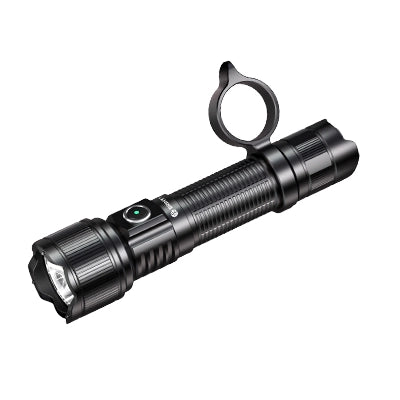
Brinyte's hunting lineup — including Brinyte PT16A and Brinyte T28 Artemis — are designed with corrosion-resistant aluminum bodies, reinforced double O-ring seals, and smart battery management. The removable 21700 battery architecture means you never face the calendar-aging dilemma of a sealed cell that cannot be replaced. When the battery eventually reaches end-of-life after several seasons, you replace a $15–$25 cell instead of the entire light.
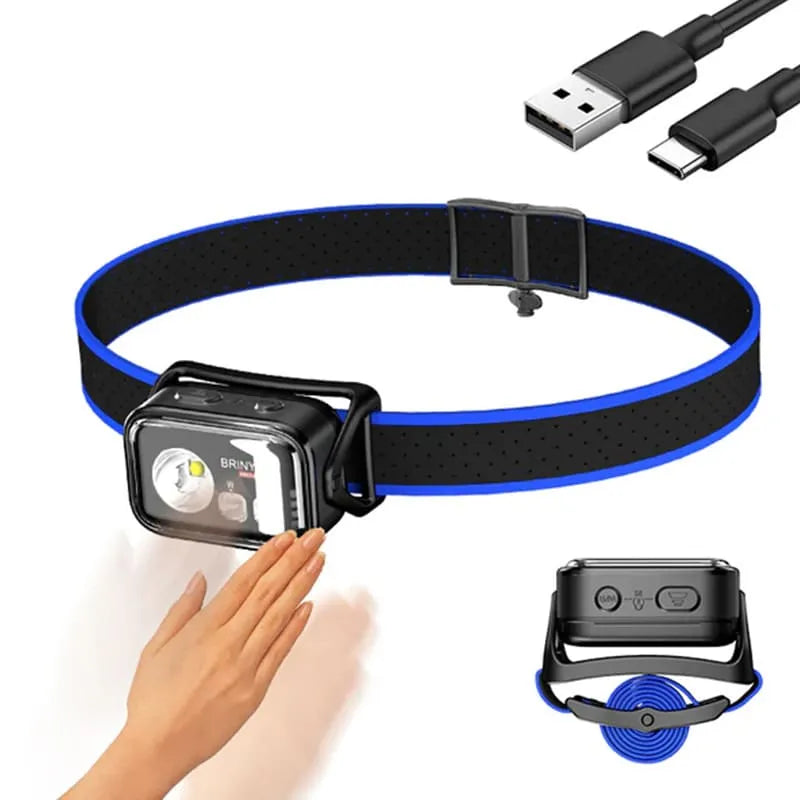
For hunters who prefer headlamps, the Brinyte HL28 Artemis offers tri-color output (White/Red/Green) with the same removable 21700 design — no tools required to switch between modes, and no proprietary battery to hunt for when replacement time comes.
A flashlight with a sealed, non-replaceable battery is a rental — the clock on its useful life starts ticking the day it is manufactured, and when the battery degrades from calendar aging, the entire device becomes waste. A flashlight with a removable standard-format battery is an investment — the cell is a consumable that you replace for the cost of lunch, and the light itself continues for years. Off-season care preserves both. But the sealed light has a hard expiration date that no amount of maintenance can extend.
Step-by-Step: Off-Season Flashlight Storage Protocol
- Clean the flashlight thoroughly: Remove mud, sap, and residue with a microfiber cloth and mild soap or isopropyl alcohol. Avoid ammonia-based cleaners on coated lenses.
- Remove batteries: Take all cells out of the light. Store separately in a non-conductive case. This prevents parasitic drain and isolates the battery from temperature extremes.
- Charge batteries to 40%: Bring cells to approximately 3.6–3.7V (roughly 30–50% state of charge). This voltage range minimizes calendar aging and can preserve capacity for years.
- Grease O-rings and threads: Apply a thin coat of silicone grease to all O-rings and tailcap threads. This preserves seal elasticity and prevents thread corrosion.
- Store in a cool, dry place: Keep lights in an EVA case or original packaging at 10–25°C (50–77°F). Include silica gel packs for humidity control.
- Inspect before next season: Test all modes, check button responsiveness, verify USB-C port function, and inspect battery contacts for corrosion before your first hunt.
- Replace degraded components: If O-rings are cracked, batteries show significant capacity loss, or the beam flickers after cleaning contacts, replace the affected component before the season starts.
Ready to Upgrade to a Light Built for the Long Haul?
Brinyte hunting flashlights use removable standard-format batteries with IP68 waterproofing — designed for seasons of service, not a single season of use.
Shop Hunting Lights →About Brinyte
Founded in 2009, Brinyte designs hunting and tactical lighting for professionals who depend on their gear. All core hunting models use standard removable 21700 batteries with onboard USB-C charging — no sealed landfill, no proprietary chargers. IP68 waterproof. FL1-tested specs. 50+ patents. ISO9001 certification.
“Engineered for the field — built to outlast the season.”
Founded 2009 · 50+ Patents · ISO9001
Frequently Asked Questions
Should I remove batteries from my flashlight during off-season?
Yes — always remove batteries before long-term storage. This prevents parasitic drain from the driver circuit from pulling the cell below its safe minimum voltage, and allows you to store the battery at the optimal 40% charge level that minimizes calendar aging.
How often should I recharge lithium batteries if not in use?
Check stored batteries every 3–4 months. If the voltage has dropped below approximately 3.3V, top up to the 3.6–3.7V range (roughly 40% charge). Quality modern cells self-discharge at only 1–2% per month, so properly stored cells can sit for 6–12 months without attention.
What is the ideal temperature to store hunting flashlights?
Between 10–25°C (50–77°F), away from direct sunlight and humidity. Avoid storing flashlights in vehicles, attics, or uninsulated garages where summer heat can degrade rubber seals and winter freeze-thaw cycles can cause internal condensation.
Can I use silicone grease on flashlight threads and O-rings?
Yes — a thin layer of silicone grease maintains O-ring elasticity and waterproof performance. Use only silicone-based grease, not petroleum-based lubricants like WD-40, which can swell and degrade rubber seals over time. Apply just enough to make the O-ring glisten.
Do lithium batteries leak like alkaline batteries?
No. Quality lithium-ion cells do not leak electrolyte under normal storage conditions. The real risk is calendar aging — permanent capacity loss that accelerates when batteries are stored at 100% charge in warm environments. A cell stored at full charge can lose 10–20% capacity per year to calendar aging alone, compared to 2–4% when stored at 40% charge.
How can I prevent rust on metal flashlight parts?
Keep threads and contacts dry, avoid prolonged contact with sweat or saltwater, and store with silica gel desiccant packs. Apply a thin coat of silicone grease to threads before storage. If you hunt in coastal or saltwater environments, rinse the light with fresh water and dry thoroughly before storage.
How should I test my flashlight before hunting season?
Cycle through every brightness mode in a dark room. Check tail switch responsiveness (clean half-press and full-click), USB-C port stability (no wiggling required), battery contact cleanliness (no green or white residue), and beam consistency across all modes. Ten minutes of testing now prevents field failure later.