
Introduction: Why Stealth Matters More at Night
Night hunting isn’t just daytime hunting with less light. Darkness amplifies every mistake—footsteps sound louder, light travels farther, and animals rely more on subtle cues you may not notice.
Successful night hunters understand that stealth is a system, not a single technique. It’s the combined control of movement, light, timing, and distance. This guide focuses on practical, field-tested methods to help you approach game quietly and confidently after dark—without alerting animals before you’re ready.

Understanding Animal Awareness at Night
At night, many animals compensate for reduced vision with heightened hearing and sensitivity to sudden light changes.
Key behaviors to consider:
- Sudden brightness triggers alertness, even if the animal doesn’t fully identify you.
- Repeated light movement is more noticeable than steady illumination.
- Low-angle light reflection off eyes, foliage, or terrain can reveal your position.
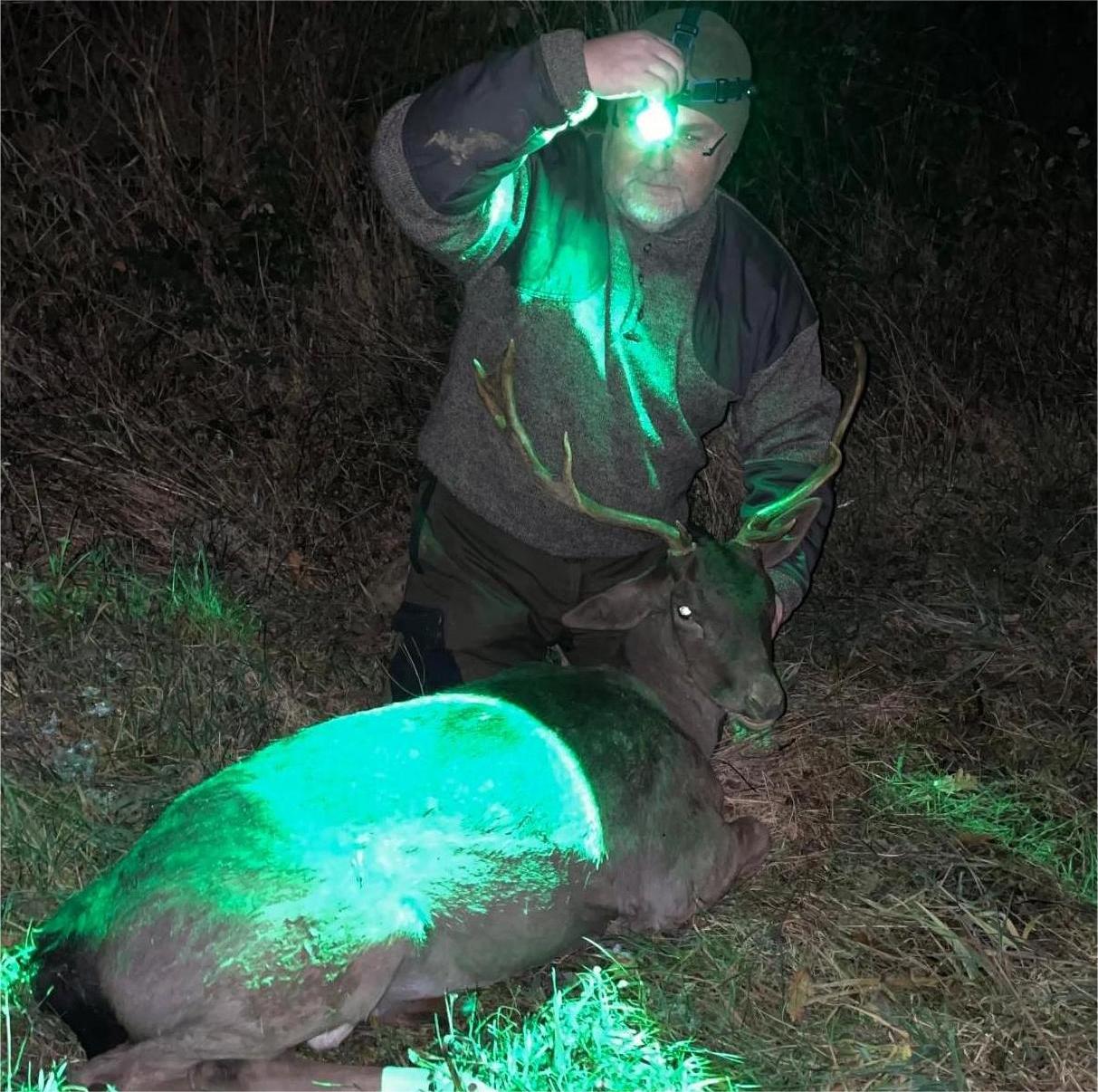
Stealth begins with accepting that your light is both a tool and a liability if misused.
Move Less, Pause More
One of the biggest mistakes night hunters make is moving continuously.
A better rhythm:
- Take 2–3 slow steps
- Stop completely
- Listen for 10–20 seconds
- Scan briefly, then move again
This “move–pause–observe” pattern blends naturally into nighttime environments and reduces unnatural noise patterns.
When moving, avoid:
- Dry leaves or loose gravel
- Brushing against tall grass or branches
- Slopes where footing noise increases
Keep Your Light Low and Controlled
Constant illumination is one of the fastest ways to get detected.
Best practice:
- Walk with your light off or in the lowest usable mode
- Activate light only when scanning or confirming terrain
- Angle the beam downward and forward, not straight ahead
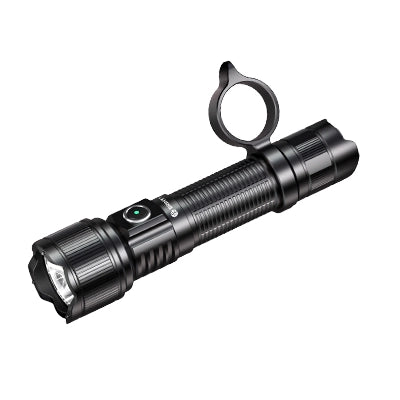
A balanced hunting flashlight like Brinyte PT28 allows controlled mid-output modes that provide enough visibility without overwhelming the environment.
Use Headlamps Strategically, Not Continuously
Headlamps are extremely useful—but also easy to misuse.
Use a headlamp:
- For short terrain checks
- While navigating obstacles
- When both hands are needed briefly
Avoid:
- Walking long distances with the headlamp constantly on
- Wide flood modes while closing distance
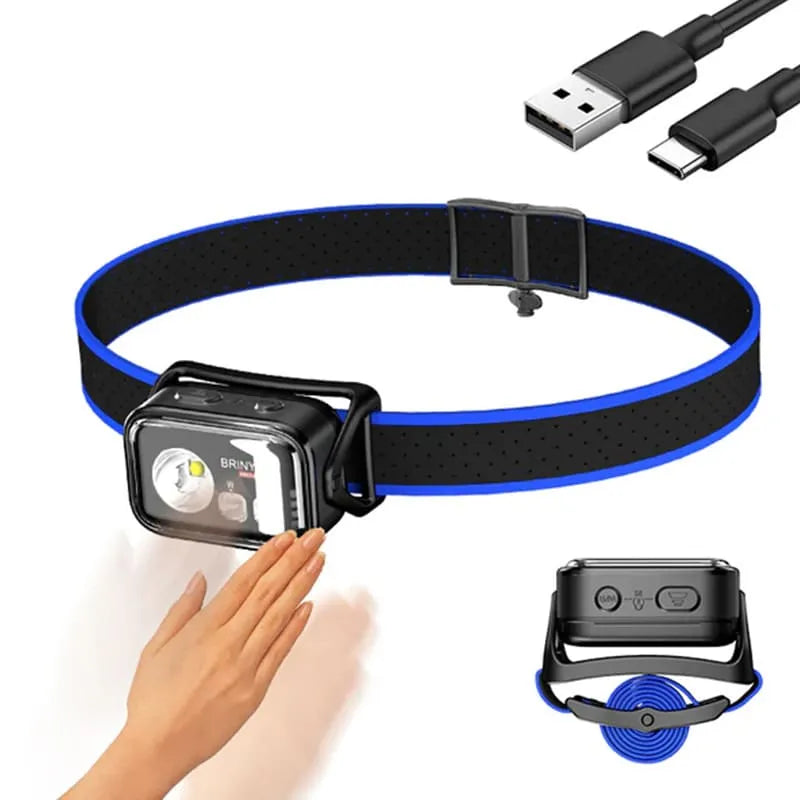
A multi-color headlamp like Brinyte HL28, with red or green modes, is ideal for preserving night adaptation and minimizing detection during movement.

Master Beam Discipline While Approaching
Beam discipline refers to how, when, and where you use light.
Effective techniques:
- Use short, deliberate scans, not sweeping motions
- Scan from the ground up, not skyward
- Avoid repeatedly lighting the same area
When possible, let your eyes adjust first. Use light only to confirm what your vision already suspects.
Closing the Distance Without Alerting Game
As you get closer, the margin for error shrinks.
Tips for the final approach:
- Reduce brightness further
- Switch to narrower beams if available
- Avoid shining directly at animals until identification is necessary
- Use terrain (trees, dips, brush) as visual barriers
Patience here matters more than speed. Rushing the approach almost always ends the opportunity.
Environmental Factors That Affect Stealth
Night conditions vary—and stealth techniques must adapt.
Consider:
- Humidity or fog: light reflects more, reduce output
- Wind direction: move when wind masks sound
- Moonlight: animals may already see better than you think
Your lighting strategy should change with conditions, not remain fixed.
Frequently Asked Questions
1. What does stealth mean in night hunting?
Stealth in night hunting refers to minimizing visual, sound, and light exposure while approaching game after dark, allowing hunters to get closer without alerting animals.
2. How does flashlight use affect stealth at night?
Improper flashlight use can easily expose a hunter’s position. Controlled brightness, short activation bursts, and proper beam direction are essential for maintaining stealth.
3. Should I use low brightness or high brightness when moving at night?
Low to medium brightness is recommended while moving. High-output modes should be reserved for brief identification or final target confirmation.
4. Is a headlamp or handheld flashlight better for stealth hunting?
Both have advantages. Headlamps allow hands-free movement, while handheld hunting flashlights offer better beam control. Many hunters use both depending on terrain and distance.
5. What beam pattern is best for stealth approaches?
A balanced beam with soft spill and controlled throw is ideal. It provides enough ground visibility without projecting excessive light that could alert animals.
6. How can hunters avoid light reflection from terrain or vegetation?
Aim the beam slightly downward and avoid shining directly at reflective surfaces like wet leaves, rocks, or animal eyes until necessary.
7. Does intermittent lighting improve stealth during night hunting?
Yes. Using short, deliberate light bursts instead of constant illumination significantly reduces detection risk and preserves night vision.
Conclusion: Stealth Is a Skill You Build
Stealth night hunting isn’t about having the brightest light—it’s about knowing when not to use it.
By slowing your movement, controlling your beam, choosing the right lighting tools, and reading the environment, you turn darkness into an advantage rather than a challenge. With hunting-focused lights like Brinyte PT28 and adaptive headlamps like Brinyte HL28, hunters can move with confidence while staying unseen.
Master these techniques, and every step in the dark becomes deliberate—not risky.
You May Also Like
-
Understand how animals react to light intensity in
How Animals React to Different Light Intensities -
Choose the right light setup for quiet movement in
Hunting Light Setup Guide: Headlamp vs Handheld Flashlight -
Improve beam control with
Field-Tested Beam Techniques for Predator Hunters -
Integrate stealth into a complete system in
Complete Night Hunting Lighting Strategy